Why I Built This
The First Time I Couldn't Get Into an Onsen
2016. I had been living in Japan for three years and I had a full-back piece. Not a small tattoo — a real, visible, committed piece that I had gotten in Auckland before I moved. I walked up to a sento in Nagoya, was turned away at the door, and stood on the street trying to work out what to do with the rest of my afternoon.
It was not the first time. But it was the time I decided to do something about it.
What I found, over the next two years, was that the information simply did not exist in English. There were Japanese-language lists, community forums, scattered blog posts from 2009. Nothing coherent. Nothing updated. Nothing from someone who had actually been to these places. The venues existed — many more than I expected — but finding them required a level of local knowledge that a visitor on a two-week trip did not have.
OnsenExperiences started as a spreadsheet. Then a Google Doc. Then a Notion page I shared with friends who were planning trips to Japan. The feedback was consistent: the information was useful, the English-language alternatives were not. So in 2019, I turned it into a site.
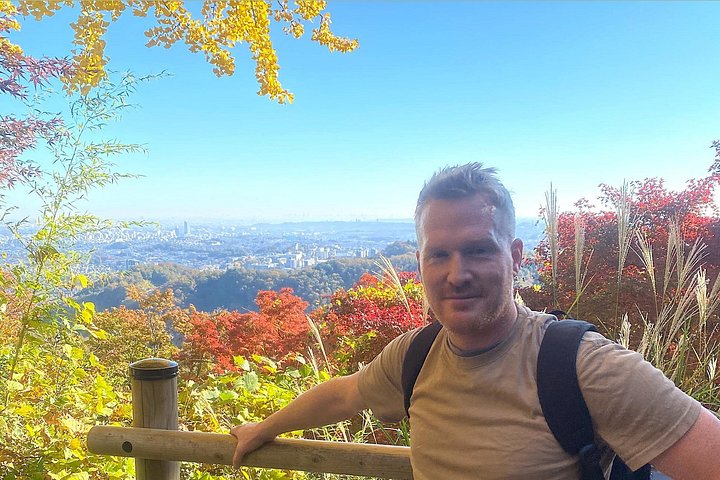
I have visited over 200 onsen across Japan since then. Every venue on this site has either been visited by me personally or verified by a local contact I trust. I am not affiliated with any tour operator. I do not receive placement fees. The commission from Viator bookings is what keeps this site running — it costs you nothing extra and helps me keep the information current.
If you have a question about a venue I have not covered, send me a message. I check them regularly and I will do my best to answer.
Onsen Destinations
Explore Japan's Hot Spring Regions
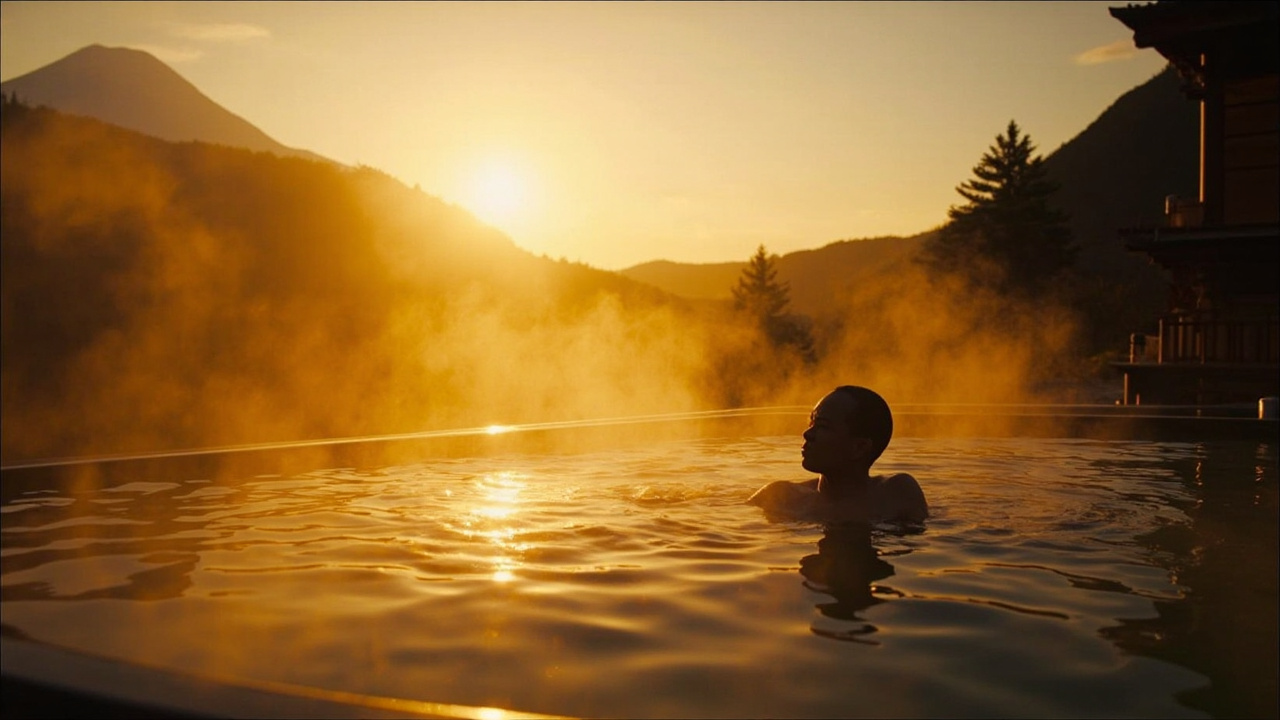
From urban sento in Tokyo to mountain rotemburo in Hakone — find your perfect onsen experience.
Onsen 101
First Time? Here's What You Need to Know
Onsen culture is different from what you're used to. Here's the practical version.
Bath Etiquette basics
Wash before you enter the bath. No swimwear in the water. Don't submerge your head unless the bath is specifically designed for it. That's it — it's simpler than it sounds.
The tattoo question
Traditional onsen often restrict visible tattoos over a certain size. But a growing number of urban sento and private baths welcome tattooed guests — especially in Tokyo. We list only the confirmed tattoo-friendly venues.
What to bring
A small towel (or buy one there), your own toiletries if you want them, and nothing else. Most venues provide soap and shampoo. You'll be naked in the bath — that's normal and expected.
Onsen Etiquette
How Onsen Actually Works
The rules are simpler than you think. Here's exactly what happens when you arrive.
You walk in. You pay at the counter — most urban sento charge between ¥460 and ¥1,500 depending on time of day. You are given a locker key and a number. You undress in the changing room (locker rooms are gender-separated, mixed facilities are rare and explicitly marked). You bring your small towel to the washing area. You do not take it into the bath.
You wash at the taps before entering the bath. Every sento has a row of showerheads and stools. You sit, you wash thoroughly — hair included if you have long hair and it will touch the water — you rinse off. Only then do you step into the bath. The water temperature in a Japanese onsen typically ranges from 38°C to 46°C. The sensation is immediate. Most people find they adjust within 2-3 minutes.
You do not wear swimwear. Swimwear is not worn in traditional sento. If a venue allows swimwear, it will say so explicitly — this is not the default. You bathe nude. This is the cultural norm, not a statement. Locals do it, elderly guests do it, everyone does it.
You keep your head above water. Japanese onsen etiquette generally discourages submerging your head — the water is for soaking, not swimming. Some outdoor rotemburo have deeper sections where floating on your back is acceptable. When in doubt, watch what others do for 30 seconds before getting in.
You rest after. The protocol is: bath, short rest, bath again, rest. Most people spend 20-30 minutes in the water in total, broken into two or three sessions with cooling-off breaks. Sitting on the edge of the bath in the fresh air between soaks is not just socially acceptable — it is expected.
The post-bath ritual is as important as the bath itself. Most sento have resting areas — sometimes with cold drinks, sometimes just benches. Take 10-15 minutes after your last soak. Your body temperature is elevated and needs time to normalise before getting dressed and going outside, especially in winter.
Water Temperature
38°C to 46°C is standard. Higher temperatures require shorter sessions — listen to your body. At 42°C+, 10 minutes is plenty.
Cost
Urban sento: ¥460–¥1,500. Ryokan day-use: ¥1,000–¥5,000. Private baths: ¥2,000–¥8,000 per 45-minute session. Cash preferred at small venues.
Hours
Urban sento: typically 1pm–10pm or 3pm–midnight. Some open earlier. Ryokan day-use: 10am–9pm depending on property. Avoid national holidays if possible.
What to Bring
A small towel (¥200–¥500 to buy on-site). Toiletries are usually provided. Hair tie if you have long hair. No swimsuit needed — and don't bring it unless the venue specifically asks for it.
Not sure which?
Compare Your Options
Honest side-by-side guides to help you decide.
Tattoo-Friendly Onsen in Tokyo
Every confirmed tattoo-friendly venue in Tokyo — ranked by location, price, and what's actually included.
Read the comparison →Hakone vs Kyoto Onsen
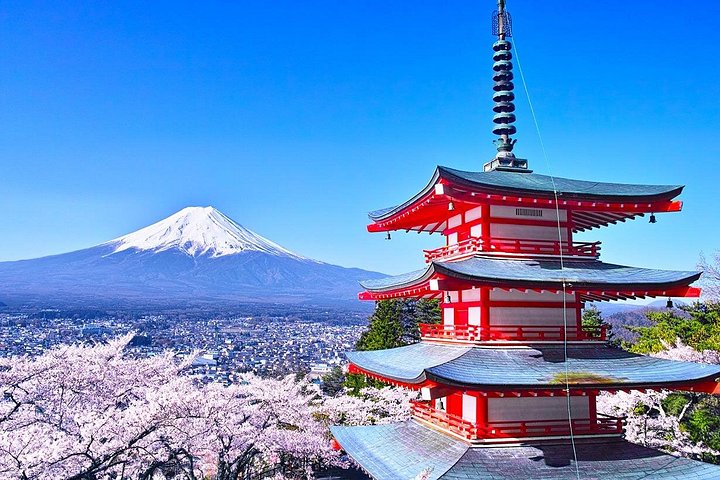
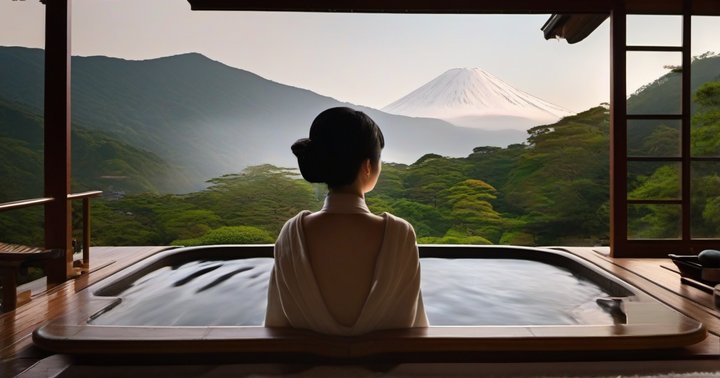
Hakone for Mount Fuji views and easy day trips from Tokyo. Kyoto for temple setting and cultural immersion. Here's how to choose.
Read the comparison →Common Questions
What People Ask Before They Visit
No. Traditional onsen — particularly in rural areas and older establishments — frequently enforce no-tattoo policies based on cultural tradition. However, tourist-oriented venues, urban sento, and most private onsen experiences are increasingly welcoming to tattooed visitors. We list only venues with confirmed tattoo-friendly policies. When in doubt, ask before you visit — most venues will answer by email or phone.
An onsen is a hot spring — water from a natural geothermal source containing at least one of 19 designated minerals. A sento is a public bathhouse that historically used heated tap water. In practice, the terms are often used interchangeably, and many modern sento use natural onsen water. The legal distinction matters for tax purposes in Japan, but for a visitor, the experience is similar: a hot bath, washing facilities, and a rest area.
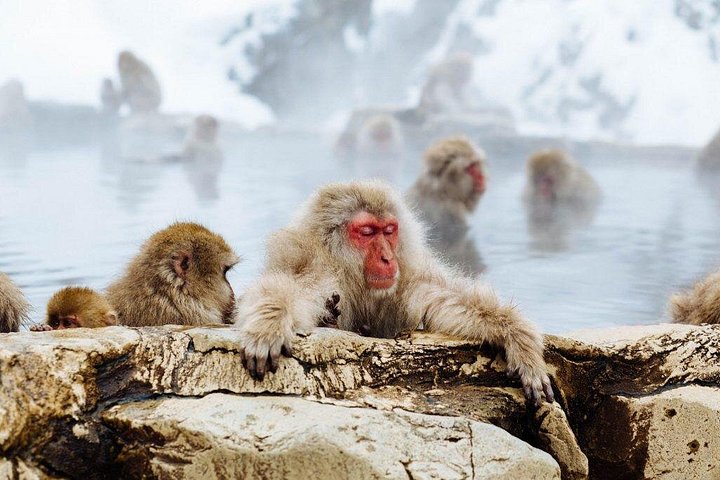
Yes. Hakone is the most accessible onsen destination from Tokyo — 90 minutes by train, with multiple onsen towns accessible via the Hakone Free Pass. For a full day-trip onsen experience from Tokyo, Hakone is the practical answer. For longer dedicated trips, Nagano (Shibu Onsen and the snow monkey park) and Beppu (sand baths and steam vents) are achievable with an early start, though overnight stays are strongly recommended for the best experience.
No. Most tourist-oriented venues in Tokyo, Hakone, Kyoto, and Osaka have English signage, English-speaking staff, or English-language information sheets. At smaller local sento in regional cities, basic gestures and a friendly attitude go a long way. The physical layout of sento — wash, bathe, rest — is largely universal regardless of language. Pointing is acceptable. Smiling is universal.
Yes. Onsen are some of the safest spaces in Japan. They are well-lit, staffed, and frequented by women at all hours. Solo female travellers are common at urban sento in Tokyo and Osaka. The bathing culture is normalised and non-threatening. The main consideration is that you may encounter older women who are comfortable striking up conversation in the washing area — this is normal social interaction, not intrusiveness.
Last updated: June 2026
Written by Emi Kato — Japan travel and onsen specialist; based in Kyoto. Twelve years documenting Japan's hot spring culture for international visitors. Last reviewed May 2026.