I Arrived in Hakone on a Tuesday in November. It Changed Everything.
Autumn foliage season in Japan — koyo — is what every travel magazine promises: red maple leaves, golden ginkgo trees, mist rising from rotemburo water with a backdrop of crimson and amber. I'd seen the photos for years and assumed they were Photoshopped. Then I showed up at a ryokan in Gora on a Tuesday in mid-November and found out they're not.
The outdoor bath at that ryokan faced a hillside of Japanese maple trees. The leaves were at peak — deep red, almost burgundy, with patches of orange where the sun hit. Steam rose from the 42°C water and caught the sunlight. A single maple leaf landed on the surface of the bath and floated there, perfectly still. I sat in that bath for an hour and didn't take a single photo. Some things are better as memories.
But the truth about autumn onsen in Japan is more complicated than the postcard version: the crowds are intense, the prices spike, and if you show up on a Saturday in November without a booking, you'll spend your day in disappointment. The season that produces the best onsen photos is also the season with the fewest available rooms.
I've visited onsen in every month of the year across more than 200 facilities in Japan. Autumn — specifically late October to mid-November — is when the bathing culture and the natural scenery align in a way that no other season matches. But you need a strategy. Here's mine.
The Koyo Window: Late October to Mid-November
Autumn foliage in Japan moves south like a wave. Hokkaido peaks in early October. Nagano and the Japanese Alps peak in mid-October. Hakone and Kyoto hit their stride from late October through mid-November. Southern Kyushu doesn't peak until late November or early December — by which point most visitors have left.
The sweet spot for onsen + foliage is the Hakone/Kyoto corridor during the first two weeks of November. The leaves are at their most vivid, the weather is cool enough for long baths (daytime highs around 15°C), and the ryokan kaiseki menus feature autumn ingredients at their peak: matsutake mushrooms, chestnuts, gingko nuts, and Pacific saury.
But the window is narrow. A late typhoon in October can strip the leaves early. An unusually warm autumn delays the color change. I booked a Kyoto ryokan for November 5 one year and arrived to find the maples still green — the peak came a full week later than expected. Flexibility helps. If you can shift your dates by a few days based on foliage reports, you'll get a better show.
If you want the full overnight experience — private rotemburo with foliage views, multi-course kaiseki, and a tatami room — the Hakone Ryokan Experience — Private Rotemburo & Kaiseki Dinner is the best way to do it. I've done this twice in November and both times the private outdoor bath alone justified the cost. Watching red maple leaves drift onto the surface while you soak is exactly what the photos promise.
Hakone Ryokan Experience — Private Rotemburo & Kaiseki Dinner
Full Japanese bathing ritual — outdoor rotemburo with foliage views, multi-course autumn kaiseki, tatami sleeping. Private outdoor bath option. Best for overnight stays during peak koyo season.
Check Availability →Hakone in November: The Gold Standard
Hakone during koyo is Japan's most photographed onsen destination, and the reputation is earned. The combination of mountain scenery, Lake Ashi, and hot spring baths surrounded by Japanese maples creates a setting that feels designed — like someone planned the whole thing for maximum visual impact.
I spent three days in Hakone in November 2023. Day one was a Saturday, and it was chaos. The ropeway queue was 45 minutes. Every ryokan rotemburo had a wait. The pirate cruise on Lake Ashi was standing room only. I felt like I was at a theme park, not a hot spring retreat.
Day two — Monday — was completely different. The same rotemburo had three people instead of thirty. The maple leaves were just as red. The steam rose in the same spirals. At 10 AM on a Monday morning, I had a private outdoor bath at a ryokan near Gora to myself for 40 minutes. The only sound was the water trickling from the bamboo fountain and the occasional rustle of leaves.
That Monday morning bath taught me the core rule of autumn onsen: weekday mornings are the only time they feel like the photos. Tuesday through Thursday, before 10 AM — that's when you get the experience. Any other combination of day and time means crowds.
For day-trippers coming from Tokyo, the Hakone Onsen Day Trip is the most practical option. It handles the logistics — train, ropeway, onsen entry — and gets you into the water without navigating Japanese booking systems. The tour includes a rotemburo stop and Lake Ashi access. During foliage season, the views from the ropeway over the treetops are the highlight.
Hakone Onsen Day Trip — Mount Fuji Region Hot Springs
The most accessible Hakone onsen for Tokyo-based visitors. Covers foliage-season highlights without overnight stay. Ropeway views over autumn treetops. Best for first-timers and Tokyo day-trippers during koyo.
Check Availability →Kyoto: The Hillside Baths of Arashiyama and Kurama
Kyoto is the other major autumn onsen destination, but there's a catch: the real onsen are not in central Kyoto. You have to leave the city — Arashiyama in the west, Kurama in the north. Central Kyoto has sento (public bathhouses) with heated tap water, but no natural hot spring water. If someone tells you about an "onsen" in downtown Kyoto, they're confused.
Arashiyama is the more accessible option — a 15-minute train ride from Kyoto Station. The area is famous for its bamboo grove, but the onsen ryokan here face forested hillsides that turn gold and crimson in November. The outdoor baths at several Arashiyama ryokan have direct views of the bamboo forest, and in late afternoon, the light filters through the stalks in a way that's hard to describe without sounding like a poem.
Kurama Onsen is different — a mountain retreat 30 minutes north of Kyoto Station, accessible by the Eizan Railway. The outdoor rotemburo here overlooks a forested valley. In November, the entire valley turns red and gold. I went on a Wednesday in early November and shared the bath with two elderly Japanese men who discussed politics in Kansai dialect while I pretended to understand. The water was 41°C, the air was 8°C, and a light drizzle beaded on the surface of the bath. It was wonderful.
Kurama's ryokan book out weeks ahead during foliage season. The mountain setting means the peak comes slightly earlier than central Kyoto — aim for the last week of October rather than mid-November. And bring cash — the small restaurants near Kurama Station don't take cards.
What I Wish I'd Known Before Autumn Onsen Season
I've made mistakes in every season, but autumn produced some of the most expensive ones. A ¥28,000 ryokan booking on a Saturday when the same room was ¥16,500 on Tuesday. A trip to Hakone in mid-November where I queued for 45 minutes for the ropeway and then sat in a rotemburo with twelve strangers. Here's what I know now:
- Book 4-6 weeks ahead for November weekends. Popular ryokan in Hakone and Kyoto fill up fast during koyo. If you're flexible, book weekday stays — same room, same foliage, half the people.
- Weekday mornings (Tuesday-Thursday, before 10 AM) are the quietest times. I had a Hakone rotemburo to myself for 40 minutes on a Monday at 10 AM in peak November. Saturday at 2 PM in the same bath? Fifteen people.
- Nagano peaks earlier — mid-October. If you miss Hakone/Kyoto peak (or want to avoid the crowds entirely), Nagano's higher elevation means earlier foliage and far fewer visitors. Shibu Onsen and Yudanaka have traditional ryokan with autumn views and barely any international tourists.
- Many ryokan serve seasonal kaiseki featuring matsutake mushrooms and chestnuts. Matsutake is the star — a prized autumn mushroom with a spicy-woodsy aroma. It's expensive (a single mushroom can cost ¥5,000+) but most ryokan include it in their autumn menus. Don't skip dinner to save money; it's half the value of the stay.
- If an onsen's online system uses Japanese-only booking, email the ryokan directly. Most reply within 48 hours in English. In autumn, this is often the only way to get a room — the English-language booking sites sell out fastest.
- Hakone Free Pass is worth it during foliage season. The ropeway, pirate cruise, and local buses all get heavy use in November. The pass covers most transport and saves ¥1,500-2,000 over buying individual tickets.
- Don't plan your trip around Mount Fuji views in autumn. Visibility is unpredictable in October-November. I've had clear November days where Fuji looked painted onto the sky, and foggy days where I couldn't see 50 metres. Treat Fuji as a bonus, not the main event.
- Red maple leaves against onsen steam is the classic autumn image. The most photogenic rotemburo are the ones with trees close to the bath fence — Gora in Hakone, Kurama in Kyoto, and Shibu Onsen in Nagano. Arrive early for the best light.
Who Should Skip Autumn Onsen
Autumn foliage onsen is not for everyone. Here's who should reconsider:
Weekend-only travelers. If you can only visit on Saturday or Sunday during November, the crowds will degrade the experience. The photos show serene baths with one person and red leaves. The reality on a Saturday is fifteen people in one bath, queues for the ropeway, and fully-booked ryokan. You'll still see the foliage, but the calm that makes onsen special won't be there.
People who hate planning ahead. Spontaneous travel during koyo season means accepting whatever's left — which is usually the most expensive rooms at the least popular ryokan. The best places book out 4-6 weeks ahead. If you can't commit to dates early, visit in summer instead when availability is wide open.
Travelers who want Beppu-style volcanic drama. Beppu's hells circuit is impressive year-round but has almost no autumn foliage — the landscape is geothermal, not forested. If you want autumn leaves, go to Hakone or Kyoto. If you want steaming vents and sand baths, go to Beppu. The two experiences don't overlap.
Nagano: The Underrated Autumn Option
Nagano's higher elevation means the foliage peaks in mid-October — two to three weeks before Hakone and Kyoto. This is actually an advantage: you can visit Nagano for early koyo, then move south to Hakone or Kyoto for the main event, stretching your foliage window to nearly four weeks.
Shibu Onsen and Yudanaka — the same towns that host the snow monkeys in winter — are surrounded by forests that turn gold and crimson in October. The rotemburo at Shibu Onsen face hillsides of changing leaves. The town itself is a collection of nine small bathhouses connected by a single street, and during autumn weekdays, you'll share them with locals rather than tour groups.
I spent two nights in Shibu Onsen in October 2022. The yu-meguri pass (¥1,200 for all nine baths) was the best value I've found anywhere in Japan. Bath number nine — Ōyu — has an outdoor section that faces a maple grove. I sat there at 9 AM on a Wednesday with one other person, watching leaves spiral down into the steam. The water was 43°C and smelled faintly of sulfur. That bath alone was worth the trip from Tokyo.
If you're combining Nagano with Hakone, take the Hokuriku Shinkansen from Tokyo to Nagano (80 minutes), spend two nights in Shibu Onsen, then take the limited express to Matsumoto and change for the Azusa to Shinjuku — about 3.5 hours total. It's not the fastest route, but the scenery through the Japanese Alps in October is worth the extra time.
Autumn Kaiseki: What's on the Plate
Autumn kaiseki is my favorite seasonal meal in Japan. The ingredients are earthy, rich, and deeply savory. Here's what you'll typically see on the menu at a ryokan during koyo season:
- Matsutake mushroom — the undisputed star of autumn. Served grilled over charcoal with a squeeze of sudachi citrus, or floating in a clear dobinmushi broth. The aroma is distinctive — spicy and woodsy, like pine needles and cinnamon. A single matsutake can retail for ¥5,000-10,000 depending on size and origin. Ryokan kaiseki typically includes one grilled mushroom per guest.
- Kuri (chestnuts) — steamed, candied, or cooked into rice (kuri gohan). Sweet and starchy, they pair well with the savory dishes around them.
- Ginnan (gingko nuts) — small, pale green, slightly bitter. Often grilled on skewers and served as a drinking snack with sake.
- Sanma (Pacific saury) — the quintessential autumn fish, grilled whole and served with grated daikon and soy sauce. Oily, rich, and best eaten with chopsticks straight off the bone.
- Persimmon (kaki) — served fresh as dessert or dried as hoshigaki, a chewy, intensely sweet preserved version hung to dry in the autumn sun.
Kaiseki is more than food — it's a structured experience. Dishes arrive in a specific order, each on its own ceramic vessel, each timed to the rhythm of the meal. Don't rush. A full kaiseki dinner takes 90 minutes to two hours, and the ryokan staff will pace it for you. The sake pairings are worth the extra cost — autumn sakes tend to be richer and more full-bodied, matching the earthy flavors of the food.
Final Verdict: My Top Pick for Autumn Foliage Onsen
If I had to pick one onsen experience for autumn foliage — one that balances accessibility, visual impact, and value — it would be a Tuesday stay at a ryokan in Gora, Hakone, during the first week of November. Book the 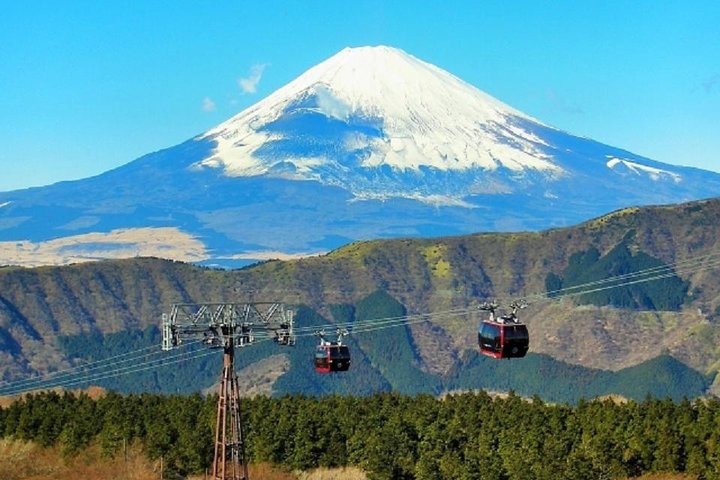 Hakone Ryokan Experience with private rotemburo. Arrive at 3 PM, check in, and go straight to the outdoor bath. Watch the afternoon light turn the maple leaves amber. Have dinner at 7 PM — twelve courses of autumn kaiseki. Go back to the bath at 9 PM when everyone else is in their rooms. The stars, the steam, the silence — that's the experience.
For day-trippers, the 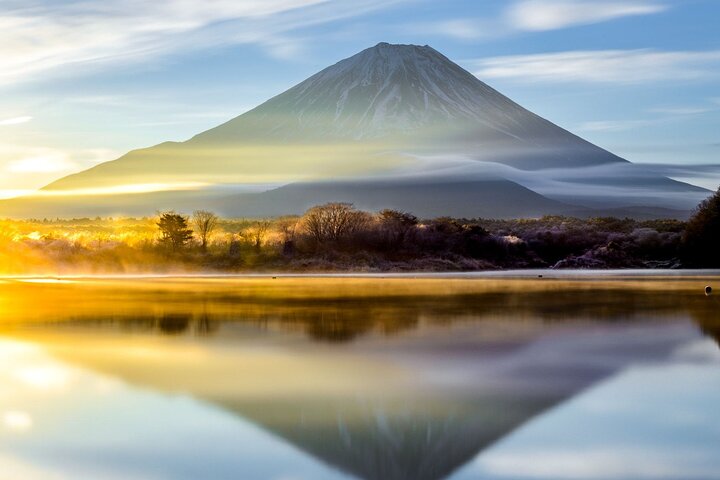 Hakone Onsen Day Trip is the simplest way to get into the water without overnight logistics. Go on a Tuesday or Wednesday, take the earliest departure, and you'll have a rotemburo mostly to yourself before the late-morning crowds arrive.
Frequently Asked Questions
When is the best time for autumn foliage at Japanese onsen?
Peak foliage at Hakone and Kyoto onsen is late October to mid-November. Nagano's higher elevation means earlier peak — mid-October. Hokkaido peaks in early October. Book ryokan 4-6 weeks ahead for November weekends. Weekday visits during foliage season are significantly less crowded.
Which onsen towns have the best autumn foliage?
Hakone and Kyoto (Arashiyama, Kurama) are the top autumn onsen destinations. Hakone's mountain scenery combines with Japanese maple trees turning red and gold around outdoor baths. Nagano offers earlier foliage at higher elevation with far fewer crowds. Beppu stays green year-round — autumn is not a foliage destination there.
How crowded are onsen during autumn foliage season?
Very crowded on weekends in November. Hakone and Kyoto are the busiest onsen destinations during foliage season. Book 4-6 weeks ahead. Weekday visits, especially Tuesday to Thursday, are significantly quieter. Arrive at rotemburo before 10 AM or after 3 PM to avoid peak crowds.
What do ryokan serve during autumn?
Autumn kaiseki features matsutake mushrooms, chestnuts (kuri), gingko nuts, persimmons, and Pacific saury (sanma). Matsutake is the star — a prized autumn mushroom with a distinctive spicy-woodsy aroma, often served grilled or in a clear broth. Many ryokan also serve seasonal chestnut rice (kuri gohan) and sweet potato dishes.
Is it worth visiting onsen just for the autumn foliage?
Yes, if you pick the right onsen and avoid weekends. The red maple leaves reflecting in rotemburo water at Hakone in early November is one of Japan's most distinctive seasonal experiences. But the crowds are real — go Tuesday to Thursday, arrive before 10 AM, and accept that some popular ryokan will be fully booked if you don't plan ahead.
Explore More
Related seasonal guides and comparisons: