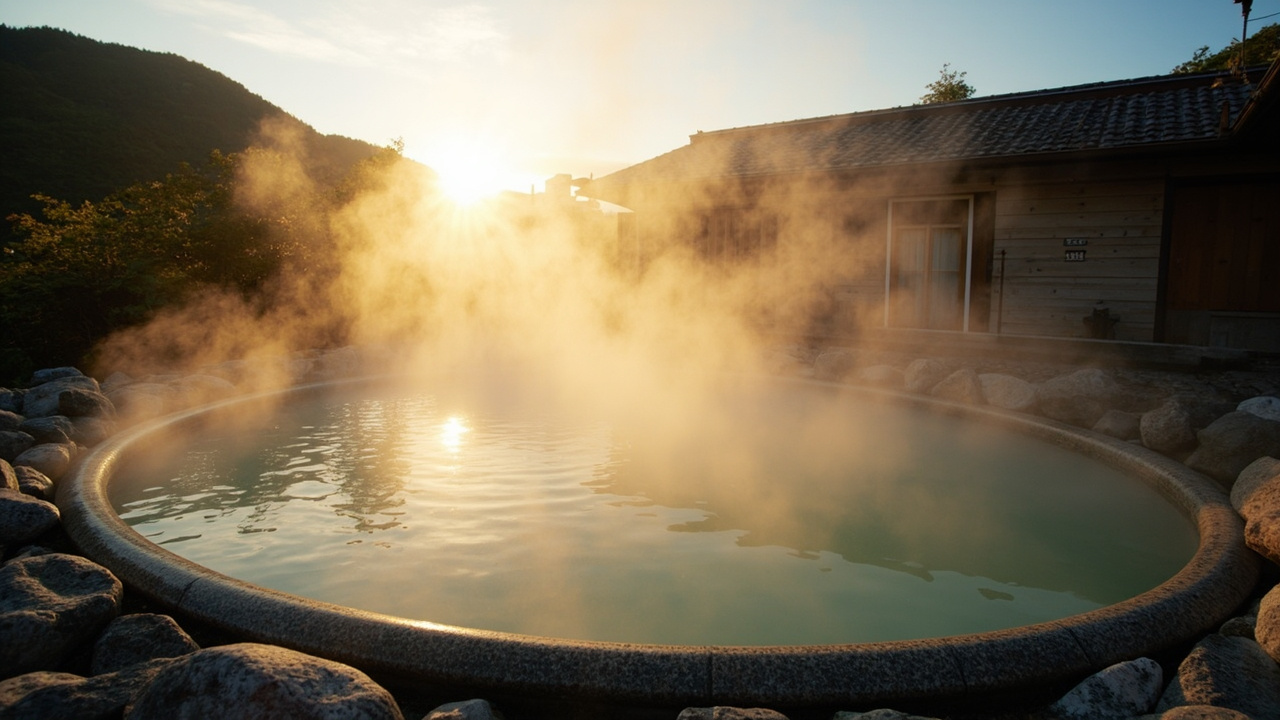
Why Private
The Case for Booking Private
A private onsen means you book the bath for yourself or your group — no one else in it with you. This matters for: couples (a private outdoor bath at a ryokan is one of Japan's most romantic experiences), families with children, guests with tattoos (no tattoo policy applies in private spaces), first-timers anxious about public nudity, and anyone who just wants to relax without being "on" in a social space. If you're deciding between destinations, see our Hakone vs Kyoto onsen comparison — private onsen near Hakone consistently rank among the best best trips from Tokyo.
Solo Travel Perspective
Why Private Onsen Changes the Experience — Even If the Water Is the Same
I received an email from a reader named Wei Ling three weeks before her birthday. She was planning a solo trip to Tokyo and had one specific request: she wanted a private onsen as her birthday treat. Not a ryokan stay — just the bath, for one person, with a view. She found Kamasaki Ryokan's private indoor onsen, booked the 9pm slot on a Tuesday, and told me later that stepping into the 41-degree water alone, with the city lights of greater Kanagawa visible through the narrow window, was the most present she had felt in years.
That's not a small thing. And it raises a question I get asked constantly: isn't a private onsen just the same water as a public one? Why pay more?
The answer is in the psychology, not the geology.
The difference between a business hotel rooftop sento and a proper private ryokan bath
Not all "private baths" are equal, and understanding the distinction prevents disappointment. A business hotel rooftop sento in Tokyo uses filtered, heated tap water — the same water that comes from your shower at home, just hotter and in a more styled container. Temperature is consistent because it's mechanically regulated. Mineral content is zero. The view, if there is one, is typically a city skyline at rooftop height — pleasant but not atmospheric.
A proper private ryokan bath — the kind fed by a natural spring — draws water from a geothermally heated underground source. That water contains dissolved minerals: sodium, calcium, magnesium, iron — the same mineral signatures that Japanese bathhouses have documented for centuries. The temperature fluctuates slightly based on spring output, which means the bath may be 40 degrees one hour and 41.5 the next. The view, if it's an outdoor rotemburo, is whatever the landscape provides: a cedar grove, a mountain ridge, a valley at dusk. These are fundamentally different experiences, and they attract different visitors.
The psychological shift: no audience, no performance
There's a specific reason solo travelers consistently tell me that a private onsen felt different from a public one, even when both used the same natural spring water. It's the absence of social awareness.
In a public onsen — even a quiet one — there's an undercurrent of knowing that others can see you, however briefly, in a state of full undress. That awareness is not shameful; it's simply present. It keeps a part of your nervous system slightly engaged, monitoring, performing even when there's nothing to perform. You adjust your swim bottom. You move with a certain self-consciousness. You soak, but part of you is still there, in the social space.
In a private onsen, that monitoring simply stops. There's no one to adjust for. The water is the only environment, and you can either talk or not, think or not, stay in for ten minutes or thirty. The decision is entirely yours, and there's no invisible clock telling you to move along. This is what Wei Ling meant when she said she felt "present" — not meditative exactly, but undiluted by social performance.
Practical tips for your first private onsen session
How long to soak: The traditional rhythm is cycles — not one long continuous soak. Enter the water for 10–15 minutes, then step out onto the stone or wooden deck and let your body cool for 5–8 minutes. Repeat two or three times. This rhythm allows your body to absorb mineral content without heat exhaustion, which is a real risk in outdoor baths on cold nights. If you feel light-headed, exit immediately and hydrate.
Best time of day for views: Sunset is the most dramatic window for any outdoor rotemburo. Golden hour light transforms mountain views and cedar groves into something that looks edited. Morning soaks have their own appeal — quieter, steam rising from cold air — but if you want the visual memory that stays with you, time your visit for the hour before dusk.
What to bring: Your own towel is essential. Most ryokan rent towels, but the rental quality is typically thin and small — not ideal after a long soak. Bring a large bath towel and a smaller hand towel. Flip-flops for the changing area are standard. If you have sensitive skin, note that natural onsen water contains minerals that can leave a slight residue — this is not a reaction, it's the mineral content bonding with your skin's oils. Shower afterward if you're sensitive.
Cost comparison: private session vs. ryokan overnight stay
This comes up often enough that it's worth being direct about it. A private onsen day session at a ryokan — typically 45 minutes to 2 hours, no accommodation — costs between ¥5,000 and ¥12,000 per person (roughly $35–$85 USD at current exchange rates). An overnight ryokan stay with dinner and breakfast, including unlimited access to private rotemburo, starts at around ¥25,000 per person and goes up from there depending on the property and the season.
The honest comparison is this: if you want to experience private onsen once, a day session is excellent value. If you want to experience it as part of a complete Japanese slow-travel moment — dinner in a private dining room, sleeping on tatami, waking up to morning mist over a mountain valley — the ryokan stay is the more complete version. They're not competing options; they're different lengths of the same experience. For Wei Ling, the day session was exactly right for her birthday. For others, the overnight stay becomes a trip they remember for years.
If you're ready to book, the three options below represent the clearest private onsen experiences accessible from Tokyo — ranked by setting, authenticity, and reviewer satisfaction.
Personal Note
The Night ILearned Why Private Is Different
It was November, a Tuesday, around 9pm. I'd been on a research trip covering onsen in Kanagawa and Shizuoka prefectures, logging more than 14 hours on my feet since dawn. My colleague Yuki suggested we stop at Kamasaki Ryokan on the way back to Tokyo — not for the public baths, but for their private indoor onsen, a small stone-walled room with a single deep granite basin fed by a natural spring.
We had no reservation. The front desk agent checked twice, then smiled and said, "One gap remains tonight — 45 minutes, starting now." It was the last slot of the day.
The room was barely larger than a walk-in closet. Wooden. Very quiet. The water was not crystal-clear — real onsen water has a mineral opacity that most visitors don't expect — a milky grey-gold that coated the skin in a way that no heated tap water ever could. We soaked in near-silence for three cycles: in, rest on the stone lip, in again. By the end I was loose in a way that days of scheduled demos and site visits had prevented.
What made it different from a public onsen was not the size. It was the absence of performance. No awareness of other people, no swimwear to adjust, no urge to make small talk or move along. Just the sound of water, the mineral heat, and a quiet room after a very long day. That's the case for private — and it's worth every yen of the booking fee.
I've been back three times since. Kamasaki's private onsen rarely has last-minute availability on weekday evenings. Book ahead.
Honest Assessment
Private Onsen — Who This Is NOT For
Private onsen is not the right choice for everyone. Here's an honest look at who should look elsewhere:
- Budget travelers who just want to soak in hot water. A public sento or urban onsen facility charges ¥400–¥700 and delivers the same hot water benefit. If the privacy has no specific appeal, paying 5–10x more for a private room is hard to justify on cost alone.
- Anyone expecting a large, resort-style pool experience. Private onsen at traditional ryokan are intimate spaces: one to four people, a single basin, a stone deck. They are nothing like a Bali-style infinity pool or agarden. Scale expectations matter.
- Travelers who want a lively social atmosphere. The defining feature of a private onsen is quiet. If you want to meet other travelers, sit in a communal lounge, or soak in a lively public rotemburo with plenty of people around, a private booking actively removes that social dimension.
- People with very limited mobility who need full ADA accessibility. While many ryokan private baths are accessible to guests with mobility needs, the traditional stone-and-cedar design of most private onsen can include uneven surfaces, narrow doorways, and deep basins. Contact the venue before booking.
- Visitors who want a one-stop, all-inclusive resort experience. Private onsen sessions at ryokan are usually add-on bookings at an accommodation. They do not include meals, lodging, entertainment, or the wide amenities of a resort hotel. If you want everything in one place, look at resort spas instead.
Private onsen earns its value when the privacy itself is the point — a special occasion, a retreat, a first visit, a tattoo concern, or simply a need for genuine quiet. If that resonates, the options below are genuinely good choices.
We earn a commission when you book through our Viator links, at no extra cost to you.
Private Onsen Options
Book a Private Bath
Available in Tokyo, Kamakura, and Hakone day-trip range.
 Top Pick
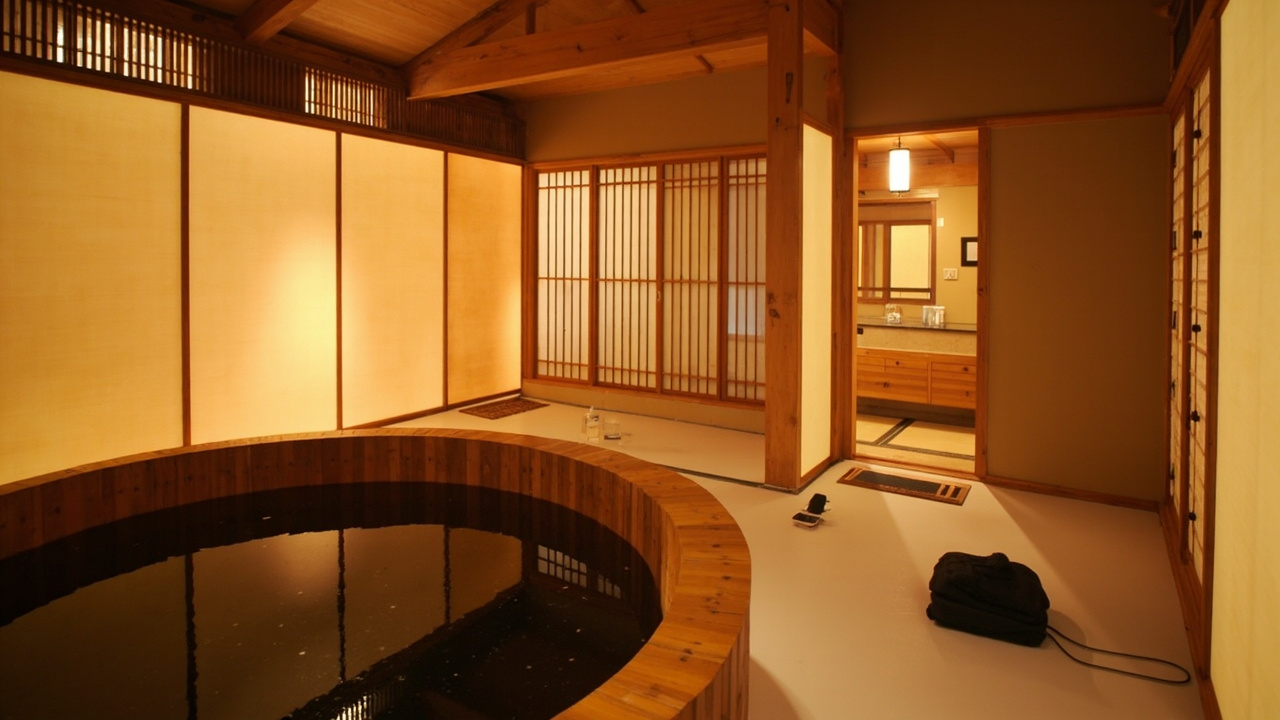
Kamasaki Ryokan — Private Indoor Onsen
From $45 per person
Kamasaki's private indoor onsen is a compact, stone-walled soaking room — real mineral water in an intimate setting. We rate it the strongest overall private onsen experience for travelers based in or near Tokyo. Best for couples and solo travelers who value authenticity over scale.
Best for: Authentic mineral onsen, intimate settings Check Availability →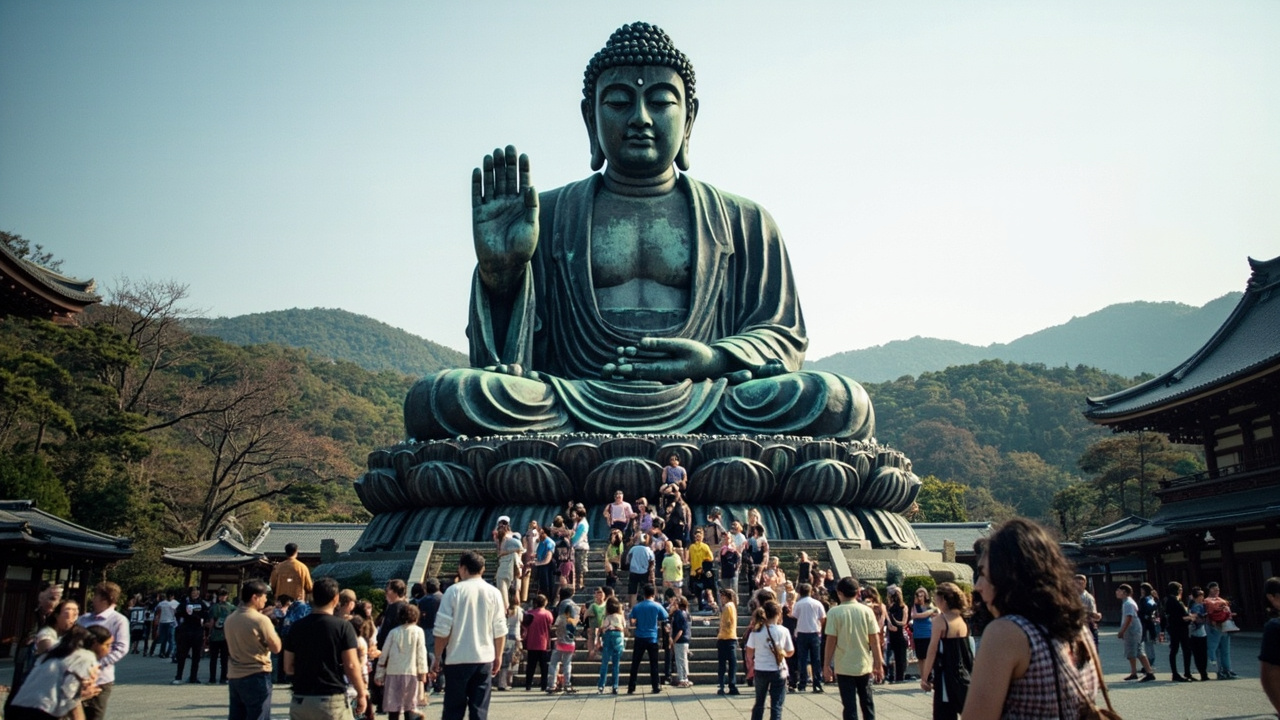 Day Trip
Daibutsu Hot Spring — Kamakura with Private Bath Add-On
From $95 per person
Daibutsu Hot Spring in Kamakura combines a landmark temple visit with a private bath add-on. Visitors get the Great Buddha, the temple grounds, and a private onsen session in a single day. Best for first-time visitors who want to pair cultural sightseeing with a thermal soak.
Best for: Cultural sightseeing + thermal soak combo Check Availability →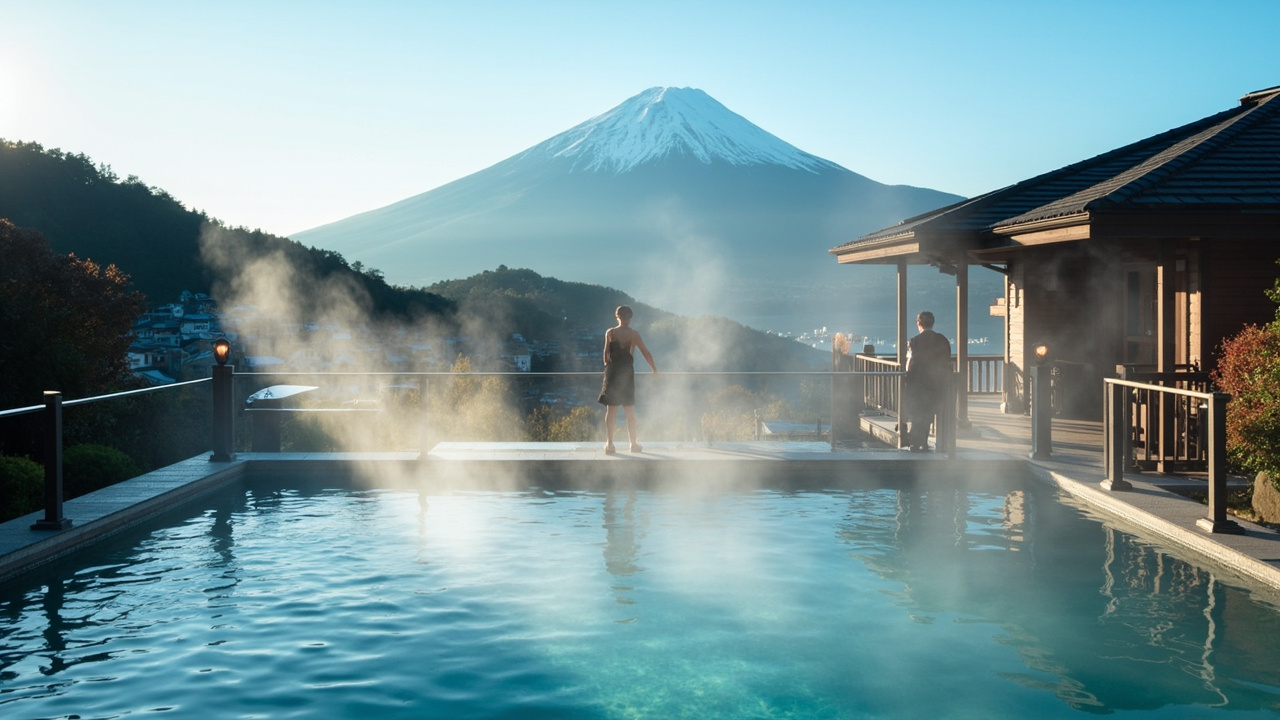 Day Trip
Hakone Private Rotemburo — Mountain Onsen Experience
From $78 per person
Hakone's private rotemburo (outdoor onsen) set in the mountains delivers the classic Fuji-view onsen experience with full privacy. The 10-hour day trip from Tokyo is the most time-intensive option on this page, but also the most dramatic scenery-wise. Best for travelers who prioritise impressive setting above all else.
Best for: Scenic mountain setting, outdoor rotemburo Check Availability →Side by Side
Private Onsen Tokyo — Quick Comparison
| Option | Location | Duration | Price (from) | Water Type | Tattoo-Friendly |
|---|---|---|---|---|---|
| Kamasaki Ryokan Private Indoor Onsen | Greater Tokyo / Kanagawa | 2 hours | $45/person | Natural mineral onsen | Yes |
| Daibutsu Hot Spring — Kamakura + Private Bath | Kamakura (45 min from Tokyo) | Full day | $95/person | Natural mineral onsen | Yes |
| Hakone Private Rotemburo — Day Trip | Hakone (90 min from Tokyo) | 10 hours | $78/person | Natural mineral onsen, outdoor | Varies by ryokan |
| Sento-style Private Room (Urban Tokyo) | Central Tokyo | 45–60 min | $25–$40/person | Filtered heated water (not geogenic) | Yes |
| Ryokan Stay + Private Rotemburo (Overnight) | Hakone / Kamakura | Overnight stay | $180–$400/person | Natural mineral onsen, private outdoor | Yes |
| Day-Visit Ryokan Private Bath (No Stay) | Hakone / Atami | 90 min – 2 hours | $55–$90/person | Natural mineral onsen | Yes |
FAQ
Private Onsen FAQ
A private onsen typically means booking an entire outdoor or indoor hot spring at a ryokan. A private session at a sento means renting a room with asmall onsen inside. Both give you solitude — the difference is scale and setting.
Yes — private onsen slots fill quickly, especially on weekends and public holidays. Book at least 3–5 days in advance for weekday sessions, 1–2 weeks ahead for weekend travel.
It depends on the venue. Most ryokan with private rotemburo allow children, though some have age restrictions. Check the listing or contact the venue before booking with infants.
Yes, and the review ratings on Viator confirm strong solo demand. Most ryokan and day-visit facilities offer solo private onsen slots — book a private indoor onsen for a self-guided 45–60 minute session. Solo flat-rate packages are available at select venues.
Because you're in a private space with no other guests, the tattoo restrictions that apply in public onsen don't apply to most private bookings. Most ryokan with private baths are fully tattoo-friendly for this reason. Always confirm directly with the venue when booking.
Bring your own towel (or rent one at the venue), a swim bottom if you prefer not to be fully nude, and flip-flops for the changing area. Hair is typically tied back. Soap, shampoo, and amenities are usually provided at ryokan-style venues.
The Japanese tradition is soak in cycles: 5–10 minutes in the bath, then rest on the stone deck or changing area, then soak again. Two or three cycles over 30–45 minutes is ideal. Over-soaking can cause heat exhaustion, especially in outdoor baths on cold days.
Truly natural onsen water — geothermally heated spring water — is not available within central Tokyo itself. The closest authentic onsen are in the Greater Tokyo area: Kamakura (45 min), Hakone (90 min), and Chiba prefecture (60 min). Urban 'sento-style' private baths with filtered water are available inside the city but are not geogenic onsen.
Last updated: June 2026
Written by Emi Kato — Japan travel and onsen specialist; based in Kyoto. Twelve years documenting Japan's hot spring culture for international visitors. Last reviewed May 2026.