Hakone vs Beppu Onsen: Which Hot Spring Town Should You Visit?
We earn a commission when you book through our links on Viator (PID P00299531), at no extra cost to you. This is how we keep the site free. Learn more →
Hakone and Beppu both call themselves onsen towns, but they answer different trip questions. Hakone suits a traveller building a short escape around rail links, lake views and a ryokan night. Beppu suits someone who wants the hot water itself to be the main event: steam in the streets, sand baths, and the Hells. Below is how I weigh the two, along with the specific scenes that shaped my view.
Comparing the two options
Choose Hakone if your trip is built around easy transport and a single polished overnight. Choose Beppu if you want the geothermal landscape to shape every hour of the day. The two towns share the word onsen and not much else, so the right pick depends on whether you want scenery with baths or baths as the scenery.
Start with the practical case for Hakone. Hakone is Japan's most accessible onsen destination from Tokyo. According to the Japan National Tourism Organization (JNTO), Hakone Tozan Railway connects Odawara to Gora in the Hakone hills. The Hakone Free Pass covers most transport in the region.
That is also Hakone's weak spot. Much of what people come for sits outdoors, so the weather decides a lot. I arrived in Hakone on a Tuesday morning in June 2023 in heavy rain, and visibility from the ropeway was down to almost nothing. I went to a small sento near Gora station instead and found only three other people there. A sento is a plain neighbourhood public bathhouse, nothing like a ryokan spa, and this one had a tin roof that the rain hammered, loud and steady. Those two hours in the water beat any clear-day ropeway ride. June is rainy season in Japan, with fewer crowds, so a wet forecast can be a reason to stay in the baths longer and leave the viewpoints for tomorrow.
Skip Hakone if you want bathing culture to spill out into the street around you. Hakone's baths sit inside a sightseeing circuit. Our Hakone guide covers that circuit in more detail.
Hakone Private Custom Tour: Mt. Fuji View, Nature & Shrine: The Experience
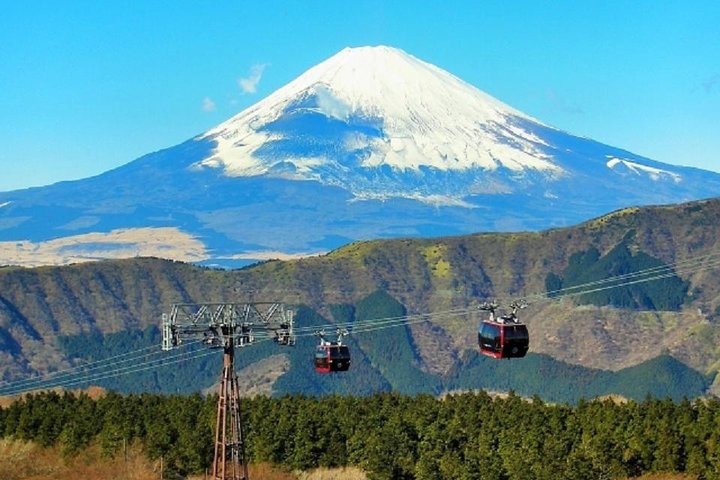
This is a private, customizable Hakone tour with a private guide, onsen access and a flexible duration, and the listing aims it at couples and privacy seekers. The appeal for Hakone in particular is flexibility. If cloud hides the Mt. Fuji view in the morning, a private guide can move the shrine and nature stops forward and come back to the view later. That kind of reshuffling is hard to do on a fixed group schedule. It is not for independent travellers who are happy to work out the Free Pass connections themselves and want to wander at their own pace without a guide.
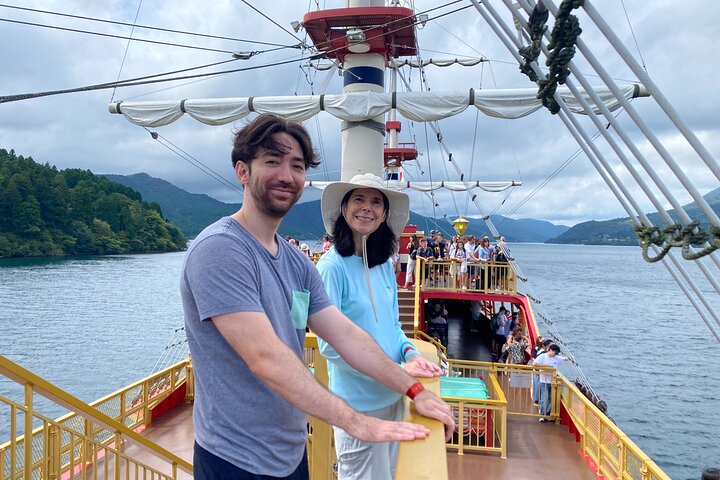
Hakone Private Custom Tour: Mt. Fuji View, Nature & Shrine
From $190 · Price checked: Sep 2026
Best for: Couples and privacy seekers
Not for: Solo budget travelers or anyone curious about communal public bath culture
Private customizable Hakone tour with onsen access. Flexible duration, private guide.
Check availabilityExternal booking on Viator · pricing and cancellations handled by Viator
Where the comparison lands
Beppu nearly won this comparison outright. Beppu has Japan's largest volume of hot spring water output, and the town makes that water hard to ignore. On a summer afternoon at a Beppu sand bath, I felt the hot volcanic sand press down on me shovel by shovel until only my face was free. Steam drifted up off the black grains beside my head. Being buried alive and feeling oddly comfortable about it was the strangest thing. The first stretch felt claustrophobic, and after that it was deeply relaxing. If being enclosed makes you panic, skip the sand bath and stick to open-air water.
Get one planning point clear early. Beppu's 'Hells of Beppu' are viewing-only hot springs, not for bathing. Treat the Hells as a sightseeing stop and plan your soak somewhere else. The private Hells tour below exists for travellers who want the full hells experience without group bus crowds. The nature-side onsen tour suits you better if you want your guided day to end in the water. For background on onsen types by region, the Japan Onsen: Official Cultural Tourism Site is a useful reference, and our Beppu guide goes deeper on the town itself.
Two things held me back from a clean verdict. Beppu asks you to build the trip around it, while Hakone slots into a wider Japan itinerary. Beppu is also warmer year-round, so if a snowy rotemburo (an outdoor bath) is what you picture, this town won't give you that scene.
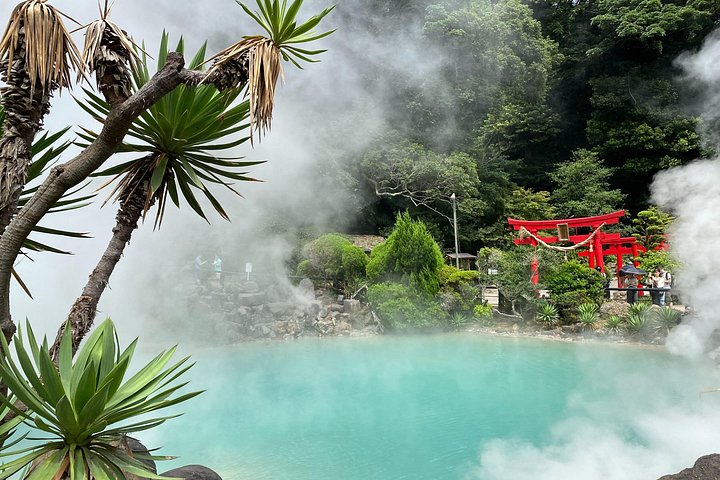
Beppu 7 Hells Private Tour
From $142.50 · Price checked: Aug 2026
Best for: Travelers wanting the full hells experience without group bus crowds
Not for: Travelers who want to soak rather than just view the hells
Private guided tour of seven of Beppu's eight hells. No crowds, set your pace.
Check availabilityExternal booking on Viator · pricing and cancellations handled by Viator
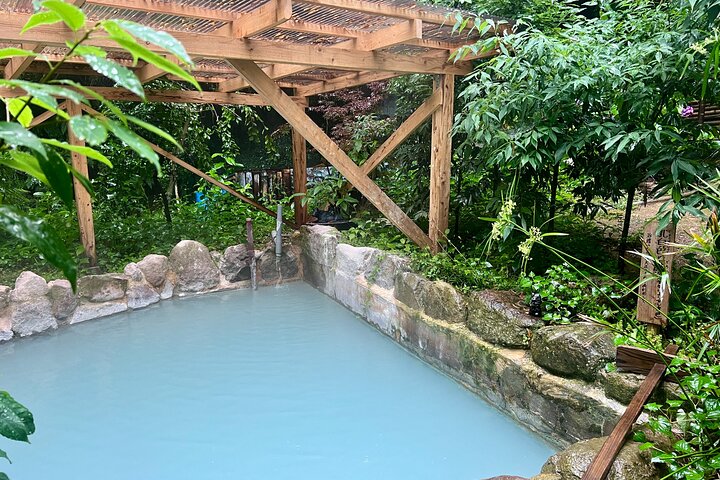
Beppu Private Tour - Onsen Experience in nature
From $122.01 · Price checked: Aug 2026
Best for: Travelers wanting a private Beppu experience without bus crowds
Not for: Budget travelers happy with a shared bus tour instead of private guiding
Private Beppu tour focused on nature-side onsen. Small group, customizable.
Check availabilityExternal booking on Viator · pricing and cancellations handled by Viator
Hakone Full-Day Private Tour: The Experience
The listing describes a full Japanese bathing ritual: an outdoor rotemburo, a multi-course kaiseki dinner (the seasonal Japanese tasting meal served at ryokan), and sleeping on tatami. It also mentions a private outdoor bath option, and it is pitched at overnight stays and special occasions. I would ask about the private bath before booking if communal bathing makes you nervous. Check the tattoo policy directly too, and don't assume anything. One small tip: don't take the earliest dinner slot if you want a relaxed bath first. Book something lighter if all you want is a quick dip between sights, because this package is built around the whole evening.
Hakone Full-Day Private Tour
From $253.66 · Price checked: Aug 2026
Best for: Overnight stays and special occasions
Not for: Day trippers who cannot spare a night or prefer Western style hotels
Full Japanese bathing ritual; outdoor rotemburo, multi-course kaiseki dinner, tatami sleeping. Private outdoor bath option.
Check availabilityExternal booking on Viator · pricing and cancellations handled by Viator
How to make the decision
My decision came down to one question: are the baths a break within the trip, or the reason for it? Hakone handles the first well. Beppu is built for the second, and what settled it for me was a street corner in Kannawa, a wire basket of eggs, and a hissing vent in the pavement.
This was Beppu's Kannawa district in March 2022. A local woman handed me a wire basket with eggs and a sweet potato in it, then pointed at a steam vent in the pavement that was hissing at boiling heat. I lowered the basket in, waited a few minutes, and pulled out perfectly cooked onsen tamago (eggs slow-cooked in hot-spring heat). The sweet potato took far longer. She charged me a few coins and told me the vent has been used this way since the Edo period. Cooking times vary from vent to vent, so ask a local before you lower anything in.
Beppu is known for late-night bathing culture compared to other onsen towns. Put that together with the street steam and you get a place where hot water sets the rhythm of the day. Skip Beppu if you want a quiet, self-contained ryokan retreat where the outside world disappears.
That kind of stillness matters to me too. On a weekday morning at an Arashiyama onsen, I watched mist lift off the river while the water held me still. Through the fence around the outdoor bath I could see the bamboo forest catching the early light. A temple bell sounded somewhere in the distance and nobody else made a sound. If you're weighing that quieter mood against a city base, our Hakone vs Kyoto comparison covers that choice.
My verdict: go to Hakone for a first onsen trip bolted onto a Tokyo stay, and to Beppu when the onsen is the itinerary.
Before you visit
Before you book either town, check the forecast, find out whether your ryokan's rotemburo is private or shared, and confirm the tattoo policy of every bath on your list. Get those right and both towns reward you. Get them wrong and you can end up with a cancelled view, a bath you didn't expect to share, or a polite refusal at the door.
Timing first. Spring cherry blossom season fills onsen towns, and in autumn foliage season Hakone gets especially crowded, so book well ahead in both. Hakone can get snow in winter, and Beppu is warmer year-round. New Year is a peak travel window. The Japan Meteorological Corporation is worth checking for seasonal conditions before you lock in outdoor plans.
Etiquette next. The JNTO onsen etiquette and rules page is the place to read up before your first bath. The basics: you bathe naked, so leave the swimwear behind. Wash at the washing stations before you get in, and pull the shower head out of the bucket first so you don't spray your neighbours. The small towel (tenugui) is for washing, not modesty, and it stays out of the water, on your head or on the edge. Don't put your head under. Bring your own tenugui, because rental sets don't always include one. Photos inside bathing areas are off the table unless a posted rule says otherwise.
On tattoos, call ahead or check the website. If the site says no, a polite email to a small family-run ryokan can still be worth sending. Waterproof cover bandages from home are a sensible backup. If the booking system is Japanese-only, write to the ryokan directly in English. Reserve a private bath (kashikiri buro) when you book the room, not at check-in, and check whether a smaller onsen closes on a weekday for cleaning before you commit to Monday or Tuesday.
Then look after your body. Drink water before and after bathing, don't bathe after heavy drinking, and get out right away if you feel dizzy or nauseous. Use the rest area and don't rush off. Bring cash and coins for the lockers, since card payment isn't guaranteed at smaller baths. At a ryokan, wrap your yukata left side over right. Pick one town and do it properly, then take home some onsen manju (steamed buns) as your souvenir.
Explore More
Related comparisons and guides:
Frequently Asked Questions
Can you bathe in the Hells of Beppu?
No. The Hells are for looking only, so plan a separate stop for your actual soak, such as a sand bath or a nature-side onsen.
Is Hakone or Beppu easier to fit into a Tokyo trip?
Hakone is the easier fit. Buy the Hakone Free Pass at Shinjuku station before boarding, because it costs less there than at Odawara.
Which town suits a winter onsen trip?
Pick Hakone if you're hoping for snow around an outdoor bath. Pick Beppu if you'd prefer milder air walking between baths.
Can I cook food in Beppu's steam vents?
Yes. In Kannawa I cooked eggs over a street vent for a few coins, but check with a local first, because some foods take much longer than others.
Is a private tour worth it for either town?
A private tour makes sense when you want to control the pace, like moving Hakone stops around the weather or seeing the Beppu Hells without bus crowds. If you're comfortable with trains and a map, you can reasonably go without one.
Written from Kyoto, Japan.