
We earn a commission when you book through our Viator links, at no extra cost to you.
The Real Costs
I Didn't Expect Travel to Feel Like This
Golden Week 2019. I thought I was clever — visiting Hakone on May 4th, after the peak rush. I was wrong. Every ryokan I wanted was booked solid. The cheapest room I could find near Gora was ¥38,000 a night, and it was a windowless box with a shared bathroom that wasn't even an onsen — just a regular tub. I stood at Odawara station at 11 AM, staring at my phone, realising I'd made a rookie mistake.
That trip taught me more about Hakone costs than any spreadsheet could. I ended up taking the Odakyu line back to Tokyo, found a small sento near my apartment in Shinjuku, and spent two hours in a cedar-lined indoor bath watching the light shift from sharp white to amber to a soft dusty pink. The bath was nothing special — indoor only, salaryman territory — but it cost ¥480. That's the thing about Hakone: the expensive plan doesn't always win.
Hakone is Japan's most accessible onsen destination from Tokyo. The Odakyu Odawara line runs from Shinjuku direct to Hakone-Yumoto in about 90 minutes. If you have a Japan Rail Pass, it covers the Odakyu route — but only if you take the limited express trains. The basic local trains aren't covered. That nuance alone has cost tourists hundreds of dollars over the years.
Most visitors spend between ¥10,000 and ¥50,000 per person per day in Hakone, depending entirely on whether they stay overnight. A day trip can cost as little as ¥5,000 if you bring your own food and use the Hakone Free Pass. A full ryokan experience with kaiseki dinner and private rotemburo runs ¥25,000–¥50,000 per person. The range is wide because the product is different at every price point.
I booked the Hakone Onsen Day Trip — Mount Fuji Region Hot Springs in June 2023 when the rain was so heavy I couldn't see 50 metres from the ropeway. The tour covered transport and entry to a proper rotemburo near Lake Ashi. It cost about ¥15,000 and included a guide who explained the washing ritual without me having to guess. For first-timers, that's worth the premium over doing it yourself.
Hakone Onsen Day Trip — Mount Fuji Region Hot Springs — The Tour That Saved My Trip
Hakone Onsen Day Trip — Mount Fuji Region Hot Springs
The most accessible Hakone onsen for Tokyo-based visitors. Covers major highlights without overnight stay. Mount Fuji views depend on weather — I've done this tour three times and only saw Fuji once clearly. Best for first-timers and Tokyo day-trippers who want a guided introduction without the ryokan price tag.
Check Availability →Emi's Notes
The Moments That Made Hakone Travel Worth Every Yen
The Hakone Tozan Railway climbs 445 metres in elevation from Odawara to Gora with three switchbacks — trains reverse direction at three stations. I sat on the right side of the carriage going up, watching the valley drop away through mist. The train costs ¥1,500 one way if you pay separately, but the Hakone Free Pass covers it. Buy the pass at Shinjuku station before boarding — it's ¥600 cheaper than buying at Odawara. That's a bowl of ramen you're saving.
I arrived in Hakone at 10 AM on a Tuesday in heavy June rain. The outdoor sights were pointless — visibility was maybe 50 metres from the ropeway. Went to a small sento near Gora station instead. Only three other people. The rain on the tin roof was loud and steady. Spent two hours there and it was better than any clear-day ropeway ride. Cost: ¥800. The lesson: bad weather at Hakone is an excuse to spend more time in the baths. The outdoor sights will still be there tomorrow.
The Lake Ashi pirate cruise is a signature Hakone experience. It costs about ¥1,200 one way and takes 25 minutes across the lake. On a clear day, you see Mount Fuji rising behind the torii gate of Hakone Shrine. On a cloudy day, you see grey water and grey sky. I've done both. The clear-day version is worth the ticket. The cloudy version is still pleasant if you're already on the water — just don't plan your whole day around it.
For the overnight experience, I booked the Hakone Ryokan Experience — Private Rotemburo & Kaiseki Dinner in autumn 2022. Twelve tiny dishes arrived one by one on lacquer trays — delicate arrangements of seasonal vegetables, local fish, and a simmered dish I still can't identify but loved. The private rotemburo was set in a small garden with bamboo fencing. The water was 42°C, the air was 8°C, and I sat there for 45 minutes watching steam rise into the dark. That night cost ¥32,000 per person. I have no regrets.
Hakone Ryokan Experience — Private Rotemburo & Kaiseki Dinner — Worth the Splurge
Hakone Ryokan Experience — Private Rotemburo & Kaiseki Dinner
Full Japanese bathing ritual — outdoor rotemburo, multi-course kaiseki dinner, tatami sleeping. Private outdoor bath option available. Best for overnight stays and special occasions. The kaiseki alone is worth half the price — twelve courses of seasonal local ingredients served at a pace that forces you to slow down.
Check Availability →Emi's Notes
What Really Surprised Me About Hakone Costs
The hidden costs add up fast. Coin lockers at onsen entrances require 100 yen coins — bring change because the front desk won't break a ¥1,000 note for you. The small towel (tenugui) costs ¥200–¥500 at most onsen if you forget yours. Milk in glass bottles at the vending machines after bathing costs ¥150 — it's a tradition, and you should do it at least once.
I made every mistake you can make on my first Hakone trip. Washed my hair at the wrong faucet and got stared at by an elderly woman who sighed audibly. Nearly walked into the wrong gender area in a rural onsen near Beppu — the curtain colours were faded and I couldn't tell blue from red in the dim light. The attendant redirected me with a patient smile. Always double-check the curtain colour: blue for men, red for women. When in doubt, ask.
Wearing swimwear in onsen is the most common mistake Western tourists make. Bathing is always naked in Japan. The small towel is for washing, not for modesty — everyone is naked. I've seen couples try to wear swimsuits in the mixed-gender rotemburo at a ryokan near Gora. The staff handed them yukata and pointed to the changing room. Don't be that person.
If you have tattoos, call ahead or check the website — don't assume. I was turned away from a sento in Shinjuku at 7 PM on a weekday. The attendant's sharp glance told me everything before she spoke. The cold feeling of being rejected from something so simple stayed with me. I walked two blocks and found another sento that welcomed me with a nod. Thermae-Yu in Shinjuku is open until 1 AM and has a tattoo section — it's the best late-night option in Tokyo.
Emi's Notes
Emi Kato's Insider Tips for Getting It Right
Visit rotemburo before 10 AM or after 3 PM to avoid peak crowds. The sweet spot is 8:30 AM on a Tuesday. I did this at a ryokan near Gora and had the outdoor bath to myself for 40 minutes. The light was soft, the water was fresh from the morning fill, and the only sound was water trickling over rocks.
At ryokan, wear the yukata left side over right. Right over left is for funerals. I learned this when a staff member gently corrected me at check-in. She smiled and said it's the most common mistake foreign guests make. Now I check every time I put one on.
Don't book the earliest ryokan dinner slot if you want a relaxed bath first. The standard dinner times are 6 PM and 7:30 PM. The 6 PM slot means you're rushing from the bath to the dining room still damp. The 7:30 PM slot gives you time for a proper soak, a rest in the yukata, and a glass of water before the first course arrives.
Drink water before and after bathing — onsen can dehydrate you quickly. I felt dizzy after 20 minutes in a 42°C bath in Nagano. Had to lie on the bench like a beached seal for 10 minutes. The attendant brought me a cup of cold water without being asked. Now I always keep a bottle at the washing station.
Weekday afternoons (Tuesday-Thursday) are the quietest times at most onsen. Golden Week, New Year, and Obon (mid-August) are the busiest periods. Book ryokan 4-6 weeks ahead for spring and autumn, 8 weeks for Golden Week. If an onsen's online system uses Japanese-only booking, email the ryokan directly in English — most reply within 48 hours with a reservation.
The best souvenir from an onsen town is local onsen manju (steamed buns). They cost ¥300–¥500 for a pack of five and taste better than any keychain or towel. The steam from the onsen vents is used to cook them — you can taste the mineral water in the dough.
For a private customizable experience, consider the Hakone Private Onsen Session — Custom Tour 3/4/6 Hours. It's flexible, you set the pace, and the guide handles all the logistics — transport, entry fees, and language. I recommended this to a couple who wanted privacy and they loved it.
Hakone Private Onsen Session — Custom Tour 3/4/6 Hours
Hakone Private Onsen Session — Custom Tour 3/4/6 Hours
Private customizable Hakone tour with onsen access. Flexible duration, private guide. Best for couples and privacy seekers who want a tailored experience without the group tour structure. The guide knows which onsen are quiet at which times — worth it for the local knowledge alone.
Check Availability →Emi's Notes
What I Wish I'd Known Before I Went
I wish someone had told me that the Hakone Free Pass is cheaper at Shinjuku station than at Odawara. I bought mine at Odawara on my first trip and paid ¥600 extra. That's a beer and a bowl of edamame at a good izakaya.
I wish I'd known that staying in the bath for more than 15-20 minutes at a time is counterproductive. Your body stops absorbing minerals after about 20 minutes. You're just cooking yourself. Get out, cool down, drink water, then go back in. Repeat twice for the full benefit.
I wish I'd known that many smaller onsen close one weekday for cleaning. I showed up at a recommended sento near Gora on a Monday and found a handwritten sign in Japanese that said, roughly, 'Closed for cleaning — please do not ask.' I didn't ask. I walked to the next one, which was open, and it was fine. But I wasted an hour.
I wish I'd known that the small towel (tenugui) is strictly for washing, not for the bath water. Putting it in the water is considered unhygienic. Keep it on your head or outside the bath. I've seen staff fish towels out of the water with a net and give the owner a look that could curdle milk.
I wish I'd known that you don't need to visit three onsen towns in one day. Pick one and do it properly. Hakone, Beppu, Kusatsu — each deserves a full day. Rushing between them means you spend more time on trains than in water. I did this on my second trip and regretted it.
I wish I'd known that the best experiences sometimes come from unplanned sento visits. The rainy day in Hakone when I skipped the ropeway and spent two hours in a small bath near Gora station — that cost ¥800 and is still one of my top onsen memories. The expensive ryokan stays are good. The spontaneous dips are better.
Honest Assessment
Hakone Costs — Who Should Think Twice
Hakone is worth the trip for most visitors, but not everyone should spend premium prices here:
- Budget travellers who just want a hot bath. A public sento in Tokyo costs 400-700 yen and delivers the same hot water benefit. If you don't need the mountain setting or ryokan experience, Hakone's premium pricing is hard to justify.
- Anyone expecting a quick 2-hour visit. Hakone requires a full day minimum from Tokyo (90 minutes each way plus sightseeing). If you only have a morning free, stay in the city.
- Visitors during peak Golden Week without reservations. I learned this the hard way — showing up May 4th without bookings means paying 2-3x standard rates for whatever room is left.
- Travellers who dislike winding mountain roads. The Hakone Tozan Railway and bus routes involve steep switchbacks. If you get motion sickness easily, consider a flat-land onsen town instead.
- People expecting resort-style all-inclusive packages. Hakone ryokan are traditional Japanese experiences — tatami floors, futon bedding, set meal times. There are no swim-up bars or buffet breakfasts.
For everyone else, Hakone delivers one of Japan's best onsen experiences within day-trip range of Tokyo. The costs are transparent, the quality is consistent, and the mountain changes colour every twenty minutes.
Cost Comparison
Hakone Costs at a Glance
| Experience | Duration | Cost (per person) | Best For |
|---|---|---|---|
| Hakone Day Trip (self-guided) | Full day | 5,000-8,000 | Budget travellers |
| Hakone Onsen Day Trip (guided tour) | 10 hours | 15,000-20,000 | First-timers |
| Private Onsen Session (day visit) | 1-2 hours | 5,000-12,000 | Couples, privacy seekers |
| Ryokan with Kaiseki Dinner | Overnight | 25,000-50,000 | Special occasions |
| Budget Ryokan (no meals) | Overnight | 8,000-15,000 | Value-conscious travellers |
FAQ
Hakone Costs FAQ
Frequently Asked Questions
How much does a day trip to Hakone cost?
A day trip costs ¥5,000–¥15,000 per person. The Hakone Free Pass (¥6,100 from Shinjuku) covers transport and some discounts. Add ¥800–¥1,500 for onsen entry, ¥1,000–¥2,000 for food. Budget ¥10,000 for a comfortable day with one onsen visit and lunch.
How much does a ryokan stay in Hakone cost?
A ryokan with kaiseki dinner and private rotemburo costs ¥25,000–¥50,000 per person per night. Mid-range options with shared baths start at ¥15,000. Budget options without dinner start at ¥8,000. Book 4-6 weeks ahead for spring and autumn.
Is the Japan Rail Pass worth it for Hakone?
The Japan Rail Pass covers the Odakyu limited express trains to Hakone-Yumoto but not local trains. If you're doing a day trip from Tokyo and have a JR Pass, it saves ¥1,500–¥2,000 round trip. But the Hakone Free Pass is cheaper for most visitors and covers more local transport.
Do I need to bring cash to Hakone onsen?
Yes. Many rural onsen and small sento don't accept credit cards. Bring ¥5,000–¥10,000 in cash for entry fees, lockers (100 yen coins), towel rental, and milk. Larger ryokan accept cards, but the smaller places are cash-only.
Can I wear a swimsuit in Hakone onsen?
No. Bathing is always naked in Japanese onsen. Swimwear is not allowed in traditional baths. Some mixed-gender rotemburo require a towel wrap, but standard onsen are nude-only. The small towel is for washing, not modesty.
Are Hakone onsen tattoo-friendly?
It varies. Many traditional ryokan and sento in Hakone do not accept tattoos. Some modern onsen and Thermae-Yu in Shinjuku have designated tattoo sections. Always call ahead or check the website. Don't assume — I've been turned away before.
Explore More
Hakone Guide
Complete guide to Hakone onsen — best baths, ryokan, and day trip planning.
Hakone Private Onsen
Book a private outdoor bath in the mountains — couples, families, tattoo-friendly.
Hakone vs Kyoto Onsen
Side-by-side comparison of Japan's two most popular onsen destinations.
Hakone Day Trip
How to do Hakone as a day trip from Tokyo — transport, timing, and tour options.
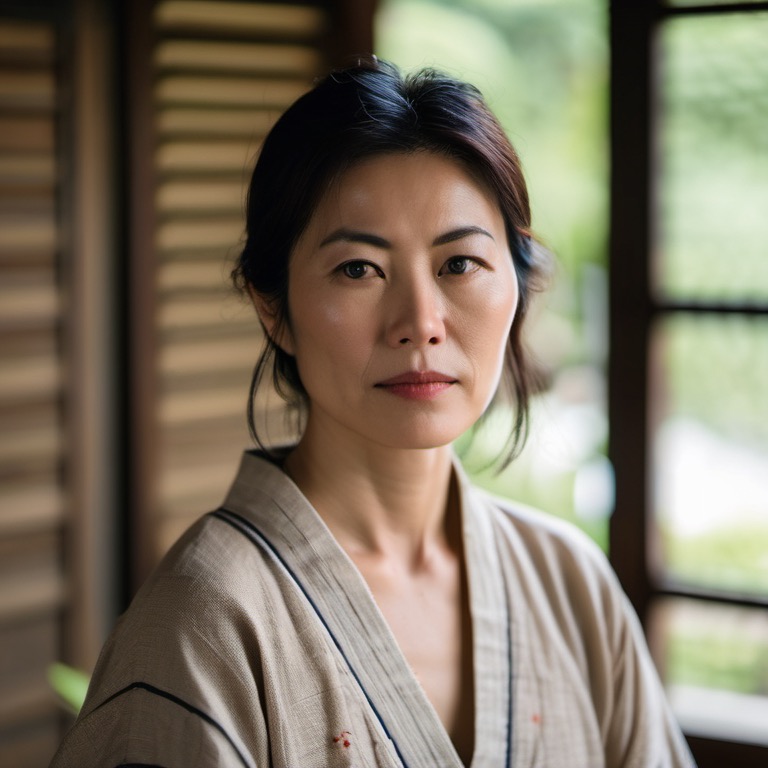
Emi Kato
Japanese onsen specialist · 60+ onsen visited · 12 years in Japan
Last verified: June 2026