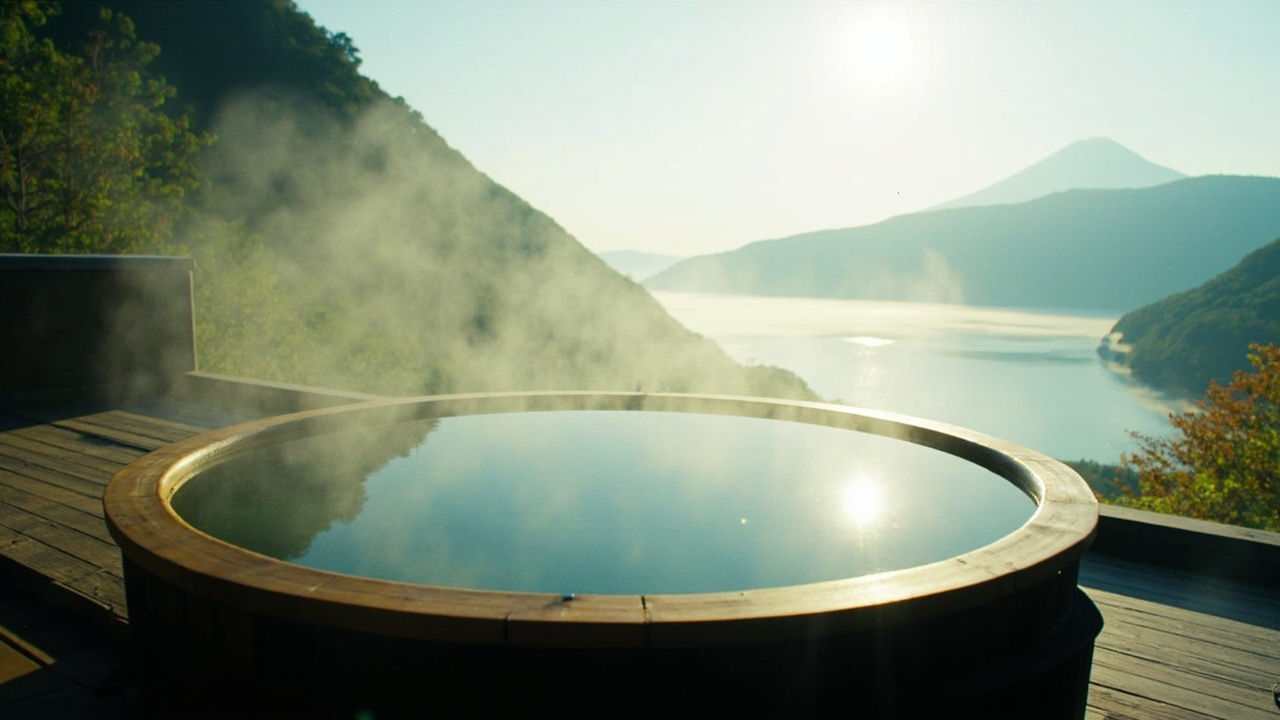
Hakone Onsen Day Trip — A Complete Guide
I Didn't Expect Travel to Feel Like This
Golden Week 2019. I thought I was clever — visiting Hakone on May 4th, after the peak rush. I was wrong. Every ryokan I wanted was booked solid. The train from Shinjuku was standing room only. I spent two hours wandering the main street near Gora, watching families queue for ropeway tickets, before I gave up on my grand plan.
I ended up at a small sento I'd never heard of — cedar-lined indoor bath, nothing fancy. The kind of place salarymen stop on their way home. But the water was 40 degrees, and I sat there for two hours watching the light shift from sharp white to amber to a soft dusty pink as the sun dropped behind the ridge. That's when I learned the first rule of a Hakone onsen day trip: the best experiences rarely come from the guidebooks.
Hakone is Japan's most accessible onsen destination from Tokyo — 90 minutes by train, covered by the Japan Rail Pass on the Odakyu route. But accessibility doesn't mean easy. I've made every mistake you can make here, and I'm going to tell you exactly what I wish someone had told me.
Hakone Onsen Day Trip — Mount Fuji Region Hot Springs — The Tour That Saved My Trip
After that Golden Week disaster, I started booking ahead. The Hakone Onsen Day Trip — Mount Fuji Region Hot Springs is the most accessible option for Tokyo-based visitors who don't want to stay overnight. It covers the major highlights — the ropeway, Lake Ashi, and a proper rotemburo — without the headache of navigating the crowds alone. Mount Fuji views depend entirely on weather (November to February gives you the best odds), but the onsen part is reliable. The guide knows which baths are quiet at which hours, and that alone is worth the price of the tour.
Who it's NOT for: Anyone who wants to linger in one bath for three hours. This is a day trip; you move at a pace. If you want to soak until your fingers prune, book a ryokan overnight.
The Moments That Stayed With Me
Not all onsen are created equal. Here are the moments that stuck with me — the ones I'd go back for.
Nagano Snow Monkey Park & Shibu Onsen Day Trip — Worth the Trip from Tokyo
February in Nagano. I was standing in a rotemburo at 3pm, snow falling so thick I could barely see the rocks across the pool. The water was 42 degrees. The air was -5. Steam rose in thick columns, and when I looked up, there were monkeys watching from the rocks. Not begging, not curious — just sitting there, steam rising from their red faces, ignoring me completely. The Nagano Snow Monkey Park & Shibu Onsen Day Trip combines the surreal experience of watching wild snow monkeys bathe in outdoor onsen with a visit to the traditional Shibu Onsen town. Pickup from Tokyo is included, which saves you the 3-hour train transfer.
Who it's NOT for: Anyone who gets claustrophobic in crowds. The monkey park gets busy by 11am. Go early, or skip it and head straight to Shibu Onsen for a quieter soak.
That winter rotemburo in Nagano taught me something no guidebook can: the contrast between freezing air and hot water is the peak onsen experience. Snowflakes melting on your shoulders while your body is submerged in 42-degree water — it's not relaxing. It's something else entirely. Something raw.
What Really Surprised Me About Onsen Experiences
I've been doing this for 12 years. I've visited over 200 onsen. And I still get surprised.
First surprise: tattoo policies vary wildly even in the same neighborhood. I once walked into a sento in Shinjuku on a Tuesday evening. The attendant glanced at my forearm, shook her head, and pointed to the door. Cold feeling, that — being turned away for something that's part of my skin. I walked two blocks down and found another sento that didn't even blink. Larger commercial onsen complexes and day-trip venues are generally tattoo-friendly; traditional ryokan in Hakone are not. Call ahead or check the website. Don't assume.
Second surprise: the wrong gender area near-miss. My third year in Japan, rural onsen near Beppu. The curtain colors were confusing in the dim light — blue for men, red for women, but this place used faded purple for one side. I nearly walked into the wrong area. The attendant caught me with a patient smile and redirected me. I was red-faced for the rest of the day. Always double-check. When in doubt, ask.
Third surprise: Beppu sand baths. I went in summer, which was probably stupid. The weight of hot volcanic sand pressing down on your body — steam rising from black grains, the odd feeling of being buried alive comfortably — it's claustrophobic at first, then uniquely relaxing. Beppu does them better than anywhere. But summer? Don't. Go in winter when the contrast matters.
Emi Kato's Insider Tips for Getting It Right
These are the things I've learned the hard way, so you don't have to.
- Visit rotemburo before 10am or after 3pm. Peak crowds hit between 11am and 2pm. I've sat in a queue for 45 minutes at a Hakone rotemburo at 11:30am. Never again.
- Bring 100 yen coins. The coin lockers at onsen entrances require them. You don't want to be fumbling for change while holding a wet towel.
- Wear the yukata left side over right. Right over left is for funerals. I've seen tourists get it wrong and get stared at. It matters.
- The small towel (tenugui) is for washing, not for modesty. Everyone is naked. If you try to cover yourself with the towel, you'll look like the tourist who doesn't know the rules. Put it on your head or leave it outside the bath.
- Drink water before and after. Onsen can dehydrate you quickly. I once stayed in a 42-degree bath for 25 minutes and had to lie on the bench like a beached seal. Don't be me.
- Don't book the earliest ryokan dinner slot if you want a relaxed bath first. Dinner at 6pm means you rush your soak. Book 7:30pm or later, and take your time in the bath.
- In winter, bring a warm hat. The walk between indoor and outdoor baths in -5 degrees is brutal on wet hair. A hat makes it bearable.
- Cash is king. Many rural onsen don't accept credit cards. I've been turned away at the door because I only had plastic. Always carry 5000-10000 yen in cash.
- Don't stay in the bath for more than 15-20 minutes at a time. Get out, cool down, drink water, go back in. It's a rhythm, not a marathon.
- No photos inside the bathing area. Strictly prohibited at most onsen. I've seen people get their phones confiscated. Don't risk it.
If you want a private, no-hassle experience, consider the Hakone Private Onsen Session — Custom Tour 3/4/6 Hours. It's flexible, private, and you control the pace. Best for couples or anyone who wants to avoid the public bath chaos.
What I Wish I'd Known Before I Went
This is the section I wish someone had handed me on my first trip to Hakone.
Book ryokan ahead during holidays. Golden Week, cherry blossom season (March-April), autumn foliage (October-November) — these are peak. Book 4-6 weeks ahead. A basic ryokan with onsen access starts at 15,000 yen per night. If you're on a budget, day-trip onsen are the way to go.
Weekday afternoons (Tuesday-Thursday) are the quietest times. I've had entire rotemburo to myself on a Tuesday at 2pm. Saturdays in Golden Week? Forget it.
Kaiseki dinner is half the value of a ryokan stay. I once tried to save money by booking a ryokan without dinner. The meal at a nearby restaurant cost the same and wasn't half as good. The twelve tiny dishes arriving one by one on lacquer trays — flavors I couldn't identify but loved — that's the experience. Don't skip it.
The best souvenir from an onsen town is local onsen manju. Steamed buns filled with sweet red bean paste. Buy them fresh from the shop near the bath exit. They're warm, soft, and perfect after a soak.
Don't try to visit three onsen towns in one day. I've seen people attempt Hakone, Atami, and Izu in a single day. It's exhausting and pointless. Pick one. Do it properly. Soak, eat, rest, leave.
If you feel dizzy or nauseous, get out immediately. Onsen can lower blood pressure fast. I've seen people faint. Sit on the bench, drink water, cool down. The bath will still be there in 20 minutes.
And finally: the Snow Monkeys don't care about your camera. At Jigokudani Monkey Park in Nagano, the monkeys have been bathing in the hot springs longer than we've been visiting. They ignore you completely. That's the magic of it — you're not watching a show. You're watching wild animals live their lives. Respect that.
For more comparisons, check out Hakone vs Kyoto Onsen or Tattoo-Friendly Onsen in Tokyo. If you're looking for private options, see Private Onsen in Tokyo. And for a broader list, Onsen Near Tokyo has you covered.
Frequently Asked Questions
Can I do a Hakone onsen day trip from Tokyo?
Yes. Hakone is 90 minutes from Tokyo via the Odakyu Line, covered by the Japan Rail Pass. Day-trip onsen complexes like Hakone Yuryo or Tenzan Onsen are open to non-guests. Arrive before 10am to avoid crowds.
Do I need to book a ryokan in advance for Hakone?
During Golden Week, cherry blossom season, and autumn foliage, book 4-6 weeks ahead. A basic ryokan with onsen access starts at 15,000 yen per night. Off-peak weekdays, you can often walk in.
Are tattoos allowed in Hakone onsen?
It varies. Larger commercial onsen and day-trip venues are generally tattoo-friendly. Traditional ryokan often are not. Call ahead or check the website. Always have a backup plan.
What's the best time of day to visit a rotemburo in Hakone?
Before 10am or after 3pm. Peak crowds hit between 11am and 2pm. Tuesday-Thursday afternoons are the quietest.
What should I bring to a Hakone onsen?
Cash (5000-10000 yen), 100 yen coins for lockers, a small towel (tenugui), water bottle, and a warm hat in winter. No swimwear — bathing is always naked in Japan.
Can I see Mount Fuji from Hakone onsen?
Yes, but it depends on weather. November to February gives the best visibility. Cloudy days mean no view. The Hakone Ropeway and Lake Ashi cruises offer the best vantage points.
Recommended Tours
Hakone Onsen Day Trip — Mount Fuji Region Hot Springs
Best for first-timers and Tokyo day-trippers. Covers major highlights without overnight stay. Mount Fuji views depend on weather. The guide knows which baths are quiet at which hours — that alone is worth the price.
Check Availability →Nagano Snow Monkey Park & Shibu Onsen Day Trip
Best for nature lovers and photographers. Wild snow monkeys bathing in outdoor onsen combined with traditional Shibu Onsen visit. Pickup from Tokyo included. Gets busy by 11am.
Check Availability →Hakone Private Onsen Session — Custom Tour 3/4/6 Hours
Best for couples and privacy seekers. Private customizable tour with onsen access. Flexible duration, private guide. Avoids the public bath chaos entirely.
Check Availability →