Onsen Near Tokyo — A Complete Guide
I Didn't Expect Travel to Feel Like This
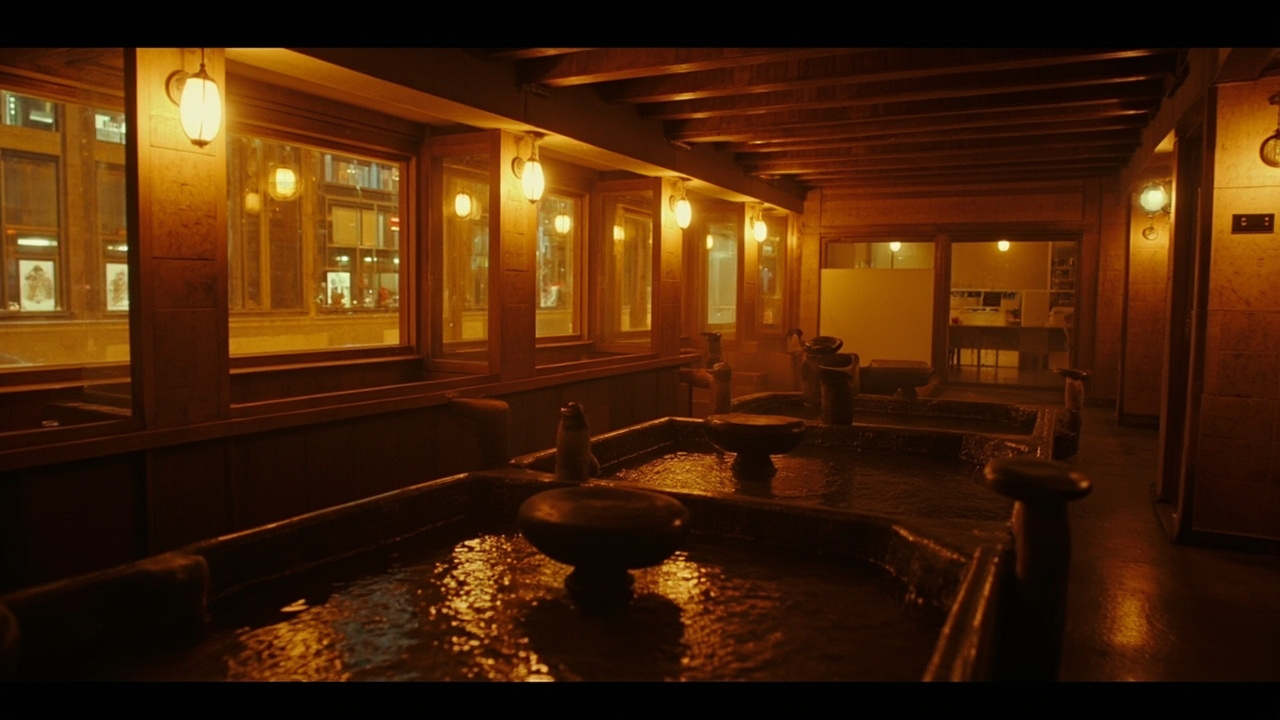
Golden Week 2019. I thought I was clever — visiting Hakone on May 4th, after the peak rush. I was wrong. Every ryokan I wanted was booked solid. I ended up at a small sento near Hakone-Yumoto station, the kind of place salarymen stop on their way home. The bath was nothing special — indoor only, cedar-lined. But I sat in the 40-degree water for two hours, watching the light shift from sharp white to amber to a soft dusty pink as the sun dropped behind the ridge. That's when I learned: the best onsen near Tokyo aren't always the ones on the travel posters.
Hakone is the most accessible onsen destination from Tokyo — 90 minutes by train, give or take. But accessibility brings crowds. Weekdays are significantly quieter than weekends. Weekday afternoons (Tuesday through Thursday) are the quietest times at most onsen. If you're planning a day trip, book a structured tour like the Hakone Onsen Day Trip — it covers major highlights without the headache of navigating local buses during peak season. Mount Fuji views depend entirely on weather; I've made the trip three times and seen it clearly onc
Hakone Onsen Day Trip — Mount Fuji Region Hot Springs — The Tour That Saved My Trip
After my Golden Week disaster, I booked this tour for a return visit in November. It worked because the logistics were handled — transport, entry, a guide who knew which rotemburo to hit before 10am and which to skip. The tour includes a stop at a traditional ryokan with an outdoor bath facing the mountains. Autumn foliage season (October-November) means booking at least four weeks ahead. The tour is best for first-timers and Tokyo day-trippers who don't want to waste time figuring out the Hakone Free Pass system. It's not for you if you want to linger in one bath for two hours — the schedule moves.
Hakone Onsen Day Trip — Mount Fuji Region Hot Springs
The most accessible Hakone onsen for Tokyo-based visitors. Covers major highlights without overnight stay. Mount Fuji views depend on weather. Best for: First-timers and Tokyo day-trippers.
Check Availability →The Moments That Made Onsen Experiences Stand Out
Winter rotemburo in Nagano, February. Snow falling hard, steam rising from 42-degree water into minus-5 air. Monkeys watching from rocks, completely ignoring me. I stayed until my fingers pruned and my shoulders ached from the cold air above the waterline. The contrast — freezing air on my face, hot water on my body — is the peak onsen experience. I've done summer baths in Beppu, autumn baths in Kyoto's Arashiyama district, and early-morning sento in Tokyo. Each has its own character.
At the Arashiyama onsen, I arrived at 7am on a weekday. Mist rising from the river, bamboo forest visible through the outdoor bath fence, a temple bell in the distance. No one else was there. That's the trick: visit rotemburo before 10am or after 3pm to avoid peak crowds. The best onsen in Kyoto require leaving central Kyoto — Arashiyama and Kurama are where the real baths are. For a budget-friendly taste of sento culture in Tokyo, try the Asakusa Sento Experience — it's small, local, and authentic. The attendant there didn't blink at my tattoos.
I made every mistake you can make on my first few visits. Washed my hair at the wrong faucet. Nearly walked into the wrong gender area — confusing curtain colors in dim light, the moment of panic, the attendant's patient redirection. Always double-check the curtain color: blue for men, red for women. When in doubt, ask. The small towel (tenugui) is for washing, not for modesty — everyone is naked. Don't put the towel in the bath water. Keep it on your head or outsid
Tattoo-Friendly Open-Air Onsen — Tokyo — Worth Knowing About
I was turned away from a Shinjuku sento on a weekday evening. The attendant's sharp glance, the cold feeling of being rejected, the walk back to my hotel. I found a second sento two blocks away — they waved me in without a second look. Tattoo policies vary wildly even in the same neighborhood. Always have a backup. This specific rotemburo in Tokyo has a confirmed policy: no questions asked. Central location, outdoor bath, clean facilities. It's best for tattooed travelers seeking guaranteed access. It's not for purists who want a rustic mountain setting — it's in the city.
Tattoo-Friendly Open-Air Onsen — Tokyo
Tattoo-friendly rotemburo in Tokyo — confirmed policy, no questions asked. Central location. Best for: Tattooed travelers seeking guaranteed access.
Check Availability →What Really Surprised Me About Onsen Experiences
The kaiseki dinner. I booked a ryokan near Gora, autumn evening, thinking I'd save money by skipping dinner. The receptionist gently suggested I reconsider. Twelve tiny dishes arrived one by one — the delicate arrangement on lacquer trays, flavors I couldn't identify but loved. That meal was half the value of the stay. Don't skip kaiseki to save money.
The Beppu sand bath. Weight of hot volcanic sand pressing down, steam rising from black grains, the odd feeling of being buried alive comfortably. Sand baths feel claustrophobic at first but are uniquely relaxing. Beppu does them better than anywhere. If you're in Kyushu, it's worth the detour.
The Snow Monkey Park in Nagano. Monkeys ignoring humans completely, steam rising from red monkey faces, the surreal sight of wild animals enjoying the same bath culture. Snow monkeys don't care about your camera — they've been doing this longer than we've been visiting. Go in January for the full effect.
And the practical stuff: most onsen sell milk in glass bottles at the vending machines. It's a tradition — drink it after your bath. Drink water before and after — onsen can dehydrate you quickly. If you feel dizzy or nauseous, get out immediately and cool down. Stay in the bath for 15-20 minutes at a time, not longer. Onsen typically close by 9pm or 10pm, so plan accordingly.
Emi Kato's Insider Tips for Getting It Right
- Book ahead for holidays. Golden Week (late April-early May), cherry blossom season (March-April), and autumn foliage (October-November) require 4-6 weeks advance booking for ryokan. Hakone and Kyoto are especially crowded.
- Bring cash. Many rural onsen don't accept credit cards. The coin lockers at onsen entrances require 100 yen coins — bring change.
- Wear the yukata correctly. Left side over right. Right over left is for funerals. The staff will notice.
- Don't book the earliest dinner slot if you want a relaxed bath first. Aim for 7pm or later.
- Winter tip: Bring a warm hat for the walk between indoor and outdoor baths. The temperature difference is brutal.
- Souvenir tip: The best souvenir from an onsen town is local onsen manju (steamed buns). Skip the keychains.
- Use the rest area. Many onsen have a lounge — sit, drink water, let your body cool down. Don't rush out after bathing.
- Avoid onsen after heavy drinking. It increases risk of fainting. I learned this the hard way in Hakone.
For more on specific recommendations, check my guides on private onsen in Tokyo and tattoo-friendly onsen comparisons.
What I Wish I'd Known Before I Went
I wish someone had told me: don't try to visit three onsen towns in one day. Pick one and do it properly. I wasted a Saturday in Hakone rushing between three different baths, barely enjoying any of them. The best experience I've had was sitting in one outdoor rotemburo for two hours, watching the light chang
I wish I'd known that the small towel is not for modesty. I walked around awkwardly covering myself for my first three visits. Everyone is naked. No one cares.
I wish I'd known that some sento in Tokyo are tattoo-friendly despite ryokan in the same area not being. I was turned away from a Shinjuku sento and found one two blocks away that welcomed me. Always have a backup. Check websites or call ahead — don't assum
I wish I'd known that arriving at Hakone on a Saturday morning in Golden Week without a reservation is a disaster. I spent two hours in a queue just to get into a basic indoor bath. The cedar-lined indoor bath I stumbled into later that evening was better than any of the famous ones I'd tried to book.
And I wish I'd known that the best onsen near Tokyo are often the ones you find by accident. The unplanned sento visit. The small ryokan with a handwritten sign. The bath where the water is 40 degrees and the light shifts from white to amber to dusty pink. Those are the ones that stick.
For a deeper dive into specific options, see my guide on private onsen in Tokyo and tattoo-friendly onsen in Tokyo.
Frequently Asked Questions
What is the closest onsen to Tokyo?
Hakone is the closest major onsen destination, about 90 minutes by train from Tokyo. Day trips are common. For a quicker option, Odaiba's Oedo Onsen Monogatari (now closed) was popular; today, consider Saya no Yu in Kawasaki or the Asakusa sento for a city-based experienc
Can I wear a swimsuit in an onsen?
No. Bathing is always naked in Japanese onsen. Swimsuits are not allowed in traditional baths. The small towel (tenugui) is for washing and can be placed on your head or outside the water, not for covering your body.
Are onsen near Tokyo tattoo-friendly?
It varies. Many traditional ryokan and smaller sento do not accept tattoos. Larger commercial onsen complexes and day-trip venues are generally more tolerant. Some sento in Tokyo are tattoo-friendly despite ryokan in the same area not being. Always call ahead or check the website — don't assume. My guide to tattoo-friendly onsen in Tokyo has specific recommendations.
How much does a ryokan with onsen cost near Tokyo?
A basic ryokan with onsen access starts at around 15,000 yen per night. Prices rise significantly during peak seasons like Golden Week, cherry blossom season, and autumn foliage. Expect to pay 30,000-50,000 yen for a mid-range ryokan with kaiseki dinner included.
What should I bring to an onsen?
Bring cash (including 100 yen coins for lockers), a small towel (tenugui) if you want your own, and a water bottle. Most onsen provide shampoo and body soap at washing stations. In winter, bring a warm hat for the walk between indoor and outdoor baths. Don't bring cameras — photography is strictly prohibited in bathing areas.
When is the best time to visit an onsen near Tokyo?
Weekday afternoons (Tuesday-Thursday) are the quietest. For outdoor rotemburo, visit before 10am or after 3pm to avoid peak crowds. Winter (December-February) offers the best contrast between cold air and hot water. Autumn (October-November) is popular for foliage but crowded. Avoid Golden Week (late April-early May) unless you book months ahead.
Soaked in 200+ onsen across Japan, and I'm still learning. Book a tour, bring cash, and never put your towel in the water. — Emi Kato