I Remember My First Onsen Experience — Here's What I Wish I'd Known
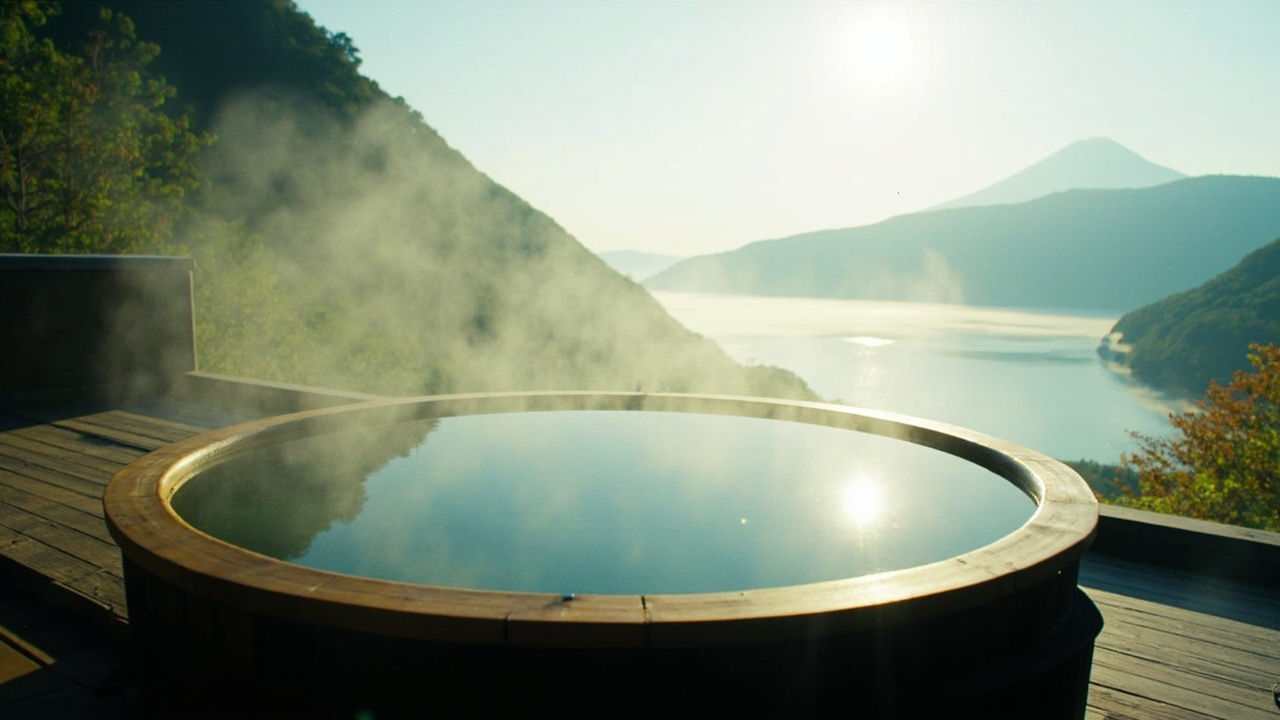
Golden Week 2019. I thought I was clever — visiting Hakone on May 4th, after the peak rush. I was wrong. Every ryokan I wanted was booked solid. I ended up in a cedar-lined indoor bath at a sento, the kind of place salarymen stop on their way home. The bath was nothing special — indoor only, the water a steady 40 degrees. But I sat there for two hours, watching the light shift from sharp white to amber to a soft dusty pink as the sun dropped behind the ridge. That's when I learned the first rule of onsen etiquette for first time visitors: you don't need a fancy ryokan to get the experience right — you just need to know the rules.
I made every mistake you can make. Washed my hair at the wrong faucet. Nearly walked into the wrong gender area. Stayed in too long and had to lie on the bench like a beached seal. I'm writing this so you don't have to repeat my errors. Let's start with the basics.
Japanese Sento Culture Experience — Shinjuku — Perfect for First-Timers
If you're nervous about your first onsen, start with a guided experience. I booked the Japanese Sento Culture Experience in Shinjuku on a weekday evening, and it saved me from at least three rookie mistakes. A local guide walks you through every step — from the shoe locker to the washing stations to the proper way to use the tenugui (that small towel). The guide showed me how to tie up my long hair properly (ponytail, not a bun — buns trap heat and look messy), and explained why you never, ever put the towel in the water. Worth the 90 minutes for the confidence alon
Japanese Sento Culture Experience — Shinjuku
Guided sento experience in Shinjuku. Best for first-timers who want to learn etiquette from a local. Pro: you'll make zero mistakes. Con: you pay for the guide, not the bath itself.
Check Availability →Finding Your Feet: Where to Start in Onsen
You don't need to start in a remote mountain ryokan. Tokyo has dozens of sento — neighborhood bathhouses — that are perfect for practicing. The key is knowing the tattoo policy. I learned this the hard way. One evening in Shinjuku, I walked into a sento near my hotel, and the attendant's sharp glance told me everything. "Tattoo?" she asked. I nodded. "Sorry, no." Cold feeling of being turned away. I found a second sento two blocks away that welcomed me warmly. That's the thing about onsen etiquette for first time visitors in Tokyo: policies vary wildly even in the same neighborhood — always have a backup.
For a guaranteed entry, try the Tattoo-Friendly Open-Air Onsen in Tokyo. I visited on a Tuesday afternoon, and the rotemburo was nearly empty. The water was 42 degrees, the air outside was humid summer, and I sat there watching bamboo sway in the breeze. No questions about my small shoulder tattoo. Just a good bath. If you've got ink, this is your safest bet.
Tattoo-Friendly Open-Air Onsen — Tokyo — The Easiest Way In
This is the place I send all my tattooed friends. Confirmed policy — no questions asked. Central location, clean facilities, and a proper rotemburo. It's not the most scenic onsen in Japan, but it's the most reliable for first-timers with ink. Pair it with a visit to our tattoo-friendly Tokyo guide for backup options.
Tattoo-Friendly Open-Air Onsen — Tokyo
Tattoo-friendly rotemburo in Tokyo — confirmed policy, no questions asked. Central location. Best for tattooed travelers seeking guaranteed access. Not the most scenic, but stress-fre Check Availability →
If you're on a budget, the Asakusa Sento Experience is a classic — small, local, authentic. I went on a Wednesday morning and shared the bath with two elderly locals who showed me the proper way to pour water over myself before entering. No English spoken, but the kindness was universal.
Asakusa Sento Experience — Traditional Tokyo Bathhouse
Classic sento in Asakusa. Small, local, authentic. Pro: cheap and genuine. Con: no English signs, so you need to know the basics before you go.
Check Availability →What Nobody Tells You Before Your First Onsen Trip
Let me give you the real list — the things I learned through embarrassment, confusion, and one near-miss with gender separation.
1. The washing ritual is specific. You sit on a small stool at a washing station. You soap and rinse thoroughly before entering the bath. The water from the faucet is for washing, not for drinking. I once watched a tourist wash their hair at the faucet near the bath entrance — the attendant corrected them gently. Use the stations near the mirrors, not the ones closest to the bath.
2. The small towel (tenugui) goes on your head or outside the bath — never in the water. I see this mistake constantly. Tourists dip the towel in the hot water and wring it out over the bath. Don't. The towel is for drying off after you get out, or for covering your face while you soak. Keep it folded on the edge of the bath or balanced on your head.
3. Swimwear is not permitted. Japanese onsen are naked. No exceptions. I've seen people try to wear swimsuits, and they're politely but firmly asked to remove them. This is non-negotiable. If you're uncomfortable, look for a private onsen or a ryokan with in-room baths.
4. Gender separation is real — and the curtain colors matter. Blue curtains for men, red for women. I nearly walked into the wrong area at a rural onsen near Beppu — the dim light made the colors look similar. The attendant redirected me with a patient smile. Always double-check. When in doubt, ask. The kanji for men is 男 (otoko) and for women is 女 (onna) — learn these two characters.
5. Tattoos: call ahead or check the website. I've been turned away from a sento in Shinjuku and welcomed at a sento two blocks away. Our comparison of tattoo-friendly onsen in Tokyo lists verified options. Don't assume — always confirm.
6. Don't stay in too long. I did this on my first real onsen visit — a winter rotemburo in Nagano. Snow was falling, steam rising from 42-degree water into -5 air. Monkeys watched from the rocks. I stayed in for 45 minutes. Got out, felt dizzy, had to lie on the bench for ten minutes. The rule: 15-20 minutes max per session. Get out, cool down, drink water, then go back in if you want.
7. The yukata goes left side over right. Right over left is for funerals. I made this mistake at a ryokan near Gora, and the staff corrected me with a quiet bow. Left side over right. Memorize it.
8. Tipping is not practiced. Don't leave money. Don't try. Just say "arigatou gozaimasu" and bow slightly.
9. Most onsen close between 9pm and 10pm. Plan accordingly. I once arrived at a sento at 8:45pm and was told they stopped accepting new guests at 8:30pm. Check the closing time before you go.
10. Drink milk after bathing. It's tradition. The vending machines at onsen sell milk in glass bottles. I had a cold bottle of coffee milk after a winter soak in Nagano, and it was the best thing I've ever tasted. Don't skip it.
11. Bring cash. Many rural onsen don't accept credit cards. The coin lockers at the entrance require 100 yen coins. I've had to scramble for change more times than I can count.
12. Photography is strictly prohibited inside bathing areas. At almost all onsen. Don't even take your phone into the changing room. Leave it in the locker.
What I Wish I'd Known Before I Went
I've been doing this for 12 years now — over 200 onsen visited. Here's what I wish someone had told me before my first trip.
Start with a sento, not a ryokan. Sento are cheaper, less intimidating, and you can leave if you mess up. Ryokan involve kaiseki dinners, yukata, and a whole ritual. The Asakusa Sento Experience is a good entry point — budget-friendly and authentic.
Visit on weekdays. Tuesday to Thursday are the quietest days. I went to Arashiyama onsen in Kyoto at 7am on a weekday, and it was just me and the mist rising from the river. The bamboo forest was visible through the outdoor bath fence. A temple bell rang in the distance. That's the experience you want — not a crowded bath at 11am on Saturday.
Book ryokan ahead during holidays. Golden Week, cherry blossom season, autumn foliage — book 4-6 weeks out. I learned this the hard way in Hakone. If you can't get a ryokan, don't stress. Unplanned sento visits often turn into the best memories.
Winter rotemburo is worth the cold. The contrast between freezing air and hot water is the peak onsen experience. Snowflakes melting on your shoulders, steam rising from the water, the silence of a snowy forest. But bring a warm hat for the walk between indoor and outdoor baths. I forgot mine and the 30-second walk felt like an hour.
Don't skip the kaiseki dinner. At a ryokan near Gora, I had twelve tiny dishes arriving one by one on lacquer trays. Flavors I couldn't identify but loved. It's half the value of the ryokan experience. Don't skip it to save money.
The best souvenir from an onsen town is local onsen manju. Steamed buns filled with red bean paste. Get them from the shop near the bath entrance, not the tourist gift store. They're warm, soft, and perfect after a soak.
And finally: relax. The rules matter, but the point is to enjoy yourself. You'll make mistakes. I still do. The attendant will correct you gently, and you'll learn. That's how it works. Go soak.
Explore More
Related comparisons and guides: