When you book through our links, we may earn a commission at no extra cost to you. This does not affect our assessments — I only recommend onsen I have visited myself.
First, Some Honesty
There Is No Single "Best" Onsen Season
I have been asked "when is the best time to visit onsen in Japan" more times than I can count, and the honest answer is: it depends on what you want. I have bathed in Japanese onsen in every month of the year — January snow baths in Nagano, April cherry blossom soaks in Hakone, August early-morning dips in Beppu before the heat hits, November maple-leaf rotemburo in Kyoto. Each season makes the same bath feel like a different experience. The water temperature is always the same — 40 to 42°C — but the air, the light, the sounds, and the crowd levels change everything. If you want to experience onsen across multiple seasons in a single trip, Hakone onsen tours run year-round and give you a taste of what each season offers.
This guide is not going to tell you that one season is better than the others. It is going to tell you what each season is like, which onsen towns work best, when to book, and — just as importantly — what is wrong with each season. Because every season has downsides, and knowing them ahead of time will make your trip better than arriving and being surprised by the crowds, the heat, or the closed rotemburo.
March to May
Spring: Cherry Blossoms and Crowds
Spring is the most photogenic onsen season. The image of cherry blossom petals drifting onto a rotemburo's water surface is not a travel-magazine invention — it happens, and it is as good as it looks. A Hakone rotemburo with Mount Fuji on the horizon and cherry trees in bloom around you is one of the best bathing experiences I have had in Japan. But spring is also the busiest season, the most expensive season, and the season when you are most likely to find the ryokan you want fully booked.
Best Spring Destinations
Hakone is the top spring onsen destination. Cherry blossoms, Mount Fuji views on clear mornings, and the 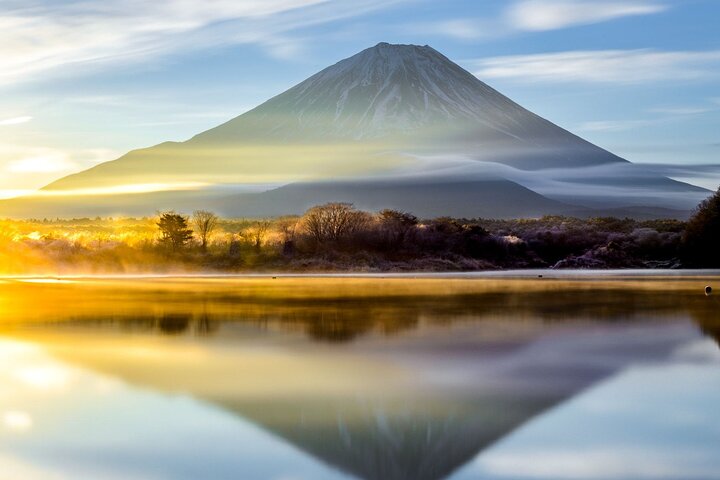 Hakone day tours that combine a rotemburo session with the Lake Ashi pirate cruise are the classic spring itinerary. Book 6-8 weeks ahead for cherry blossom season (late March to early April). Kyoto onsen in Arashiyama — the bamboo grove area — are spectacular during cherry blossom season, but accommodation is competitive and expensive. Golden Week (late April to early May) is the single busiest travel period in Japan. Avoid onsen towns entirely during Golden Week unless you have already booked months in advance.
Spring Downsides
Crowds. Hakone and Kyoto during cherry blossom season are packed. Rotemburo queues form at popular ryokan. The weather is unpredictable — March can still be cold with occasional snow, May can already feel like early summer. Prices are high. A ¥18,000/night ryokan in Hakone in June can be ¥30,000/night in early April. If you can travel in mid-to-late May after Golden Week, you get spring greenery without the crowds and at lower prices.
June to August
Summer: Cheap, Quiet, and Hot
Summer is the least popular onsen season for a reason: hot water plus hot air is not a comfortable combination. But if you plan around the heat, summer offers the lowest prices, the fewest crowds, and some experiences that are genuinely better in warm weather. Japanese people do not stop bathing in summer — they adapt. Morning baths before 9am and evening baths after 5pm avoid the midday heat. Highland onsen towns stay cool even in midsummer.
Best Summer Destinations
Hokkaido and highland onsen — Kusatsu (Gunma), Shiga Kogen (Nagano), and the Daisetsuzan area — stay cool in summer and offer comfortable outdoor bathing. Beppu in Kyushu is hot in summer, but the sand baths are pleasant in early morning, and the crowds are thin. June is rainy season across most of Japan — expect overcast skies and high humidity. Kurokawa Onsen in Kyushu is a compact hot spring town that is easier to navigate than Beppu and has more shade. Nagano onsen tours in summer switch from snow monkeys to green mountain scenery — still worth it if you prefer cooler temperatures.
Summer Downsides
The heat. Rotemburo in direct sun between 11am and 3pm in July and August are a endurance test, not a relaxing experience. June is rainy season — outdoor bathing in the rain can be atmospheric, but constant drizzle is not for everyone. Obon week in mid-August is a domestic travel peak — avoid it. If you visit in summer, book a ryokan with both indoor and outdoor baths so you can switch to the air-conditioned indoor option when the rotemburo becomes too hot.
September to November
Autumn: Foliage, Fewer Crowds Than Spring
Autumn is, for many Japanese onsen regulars, the best season. The weather is cool but not cold, the autumn foliage (koyo) is spectacular, and the crowds are smaller than cherry blossom season. A Hakone rotemburo in late October, with red and gold maple leaves on the trees and reflecting in the bath water, is the image on every onsen guidebook cover — and unlike some travel photographs, it is not exaggerated. October and November are my personal favourite months for onsen travel.
Best Autumn Destinations
Hakone and Kyoto (Arashiyama, Kurama) are the top foliage onsen destinations. Peak foliage in these areas is late October to mid-November. Book 4+ weeks ahead. Nagano at higher elevation has earlier foliage — mid-October — which means you can catch it before the Hakone and Kyoto crowds peak. The 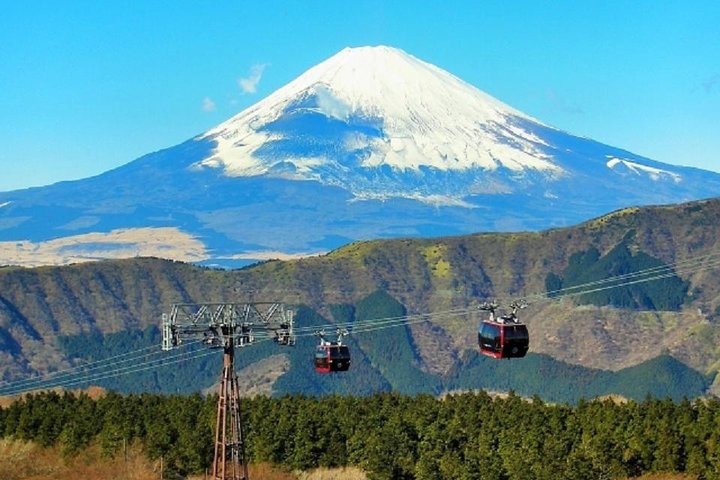 Hakone private onsen sessions in November are worth the premium — you get the autumn foliage without sharing the rotemburo with strangers. Many ryokan serve seasonal kaiseki featuring matsutake mushrooms and chestnuts during this period, which adds to the experience.
Autumn Downsides
Hakone and Kyoto are crowded during peak foliage — not as bad as cherry blossom season, but close. Weekday visits make a real difference. The exact peak foliage dates shift by a week or two each year depending on weather, so you are booking ahead for a moving target. Prices are high — autumn is a shoulder season in name only for onsen towns. If you want autumn foliage without the premium, visit Nagano in mid-October instead of Hakone or Kyoto in November.
December to February
Winter: Snow, Steam, and the Best Rotemburo
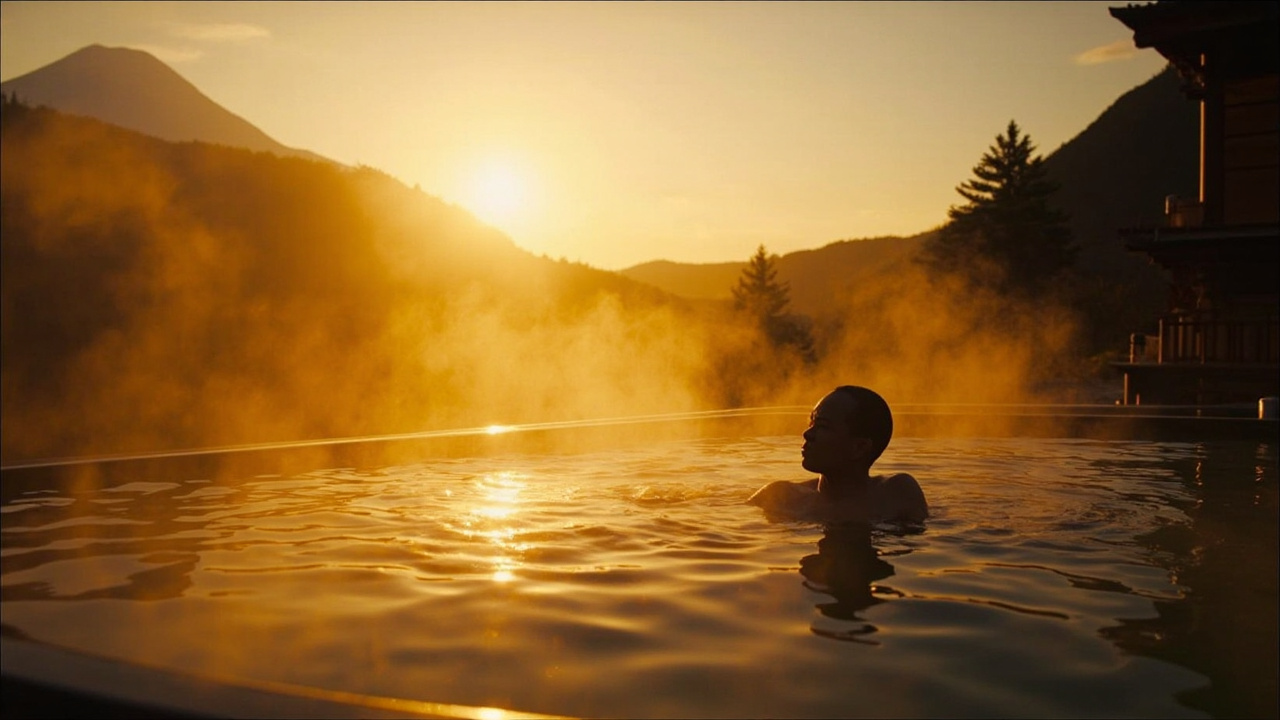
Winter is the defining onsen season. The image of snow falling while you soak in 42°C water, steam rising into the cold air, is what draws most visitors to Japanese onsen — and it delivers. I have bathed in a Nagano rotemburo at -5°C with heavy snow falling, and it is still the single best bathing experience I have had in over 200 onsen visits. The cold air makes the hot water feel hotter, the steam is thicker, and the contrast between the freezing world outside the bath and the warmth inside it creates a sensation you simply cannot experience in any other season.
Best Winter Destinations
Nagano is the top winter onsen destination. The 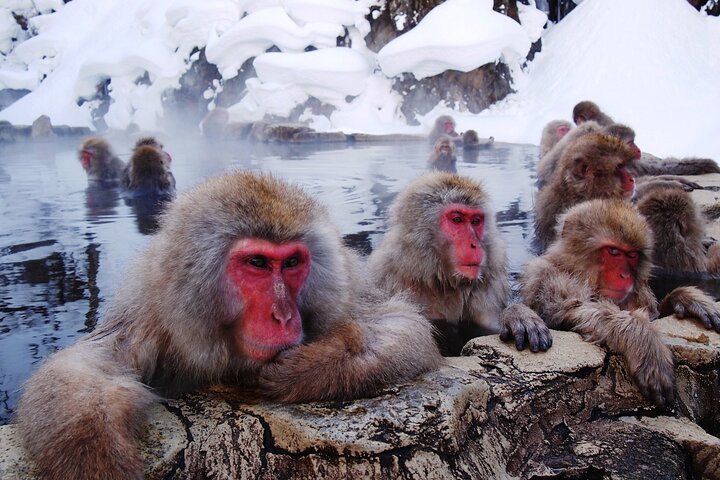 Nagano snow monkey and onsen tours combine Jigokudani Monkey Park — wild macaques bathing in outdoor hot springs — with ryokan visits in the Shibu Onsen area. Book 4-6 weeks ahead. Hokkaido (Noboribetsu, Jozankei) has reliable snow and excellent onsen, but is further from Tokyo. Hakone occasionally gets snow but it is not guaranteed — the views of snow-capped Mount Fuji from a rotemburo are worth it even without snow in the town itself. Beppu in Kyushu is warm year-round — no snow, but no crowds either, and the geothermal steam columns are at their most dramatic in the cold winter air.
Winter Downsides
The walk between the indoor changing room and the outdoor rotemburo. At -5°C, the 15-metre walk feels much longer. Bring a warm hat — your head is the only part of your body exposed above water. Japanese New Year (December 28 to January 3) is extremely busy — onsen towns fill with domestic travellers. Prices are high in January and February, especially in Nagano and Hokkaido. Some mountain onsen roads may close after heavy snow — check access before booking remote ryokan. Outdoor rotemburo stay open in snow; it is the roads and walking paths that can be the problem.
When Is the Best Time to Visit Onsen in Japan?
| Month | Best Destinations | Crowd Level | Price Level | What to Expect |
|---|---|---|---|---|
| January | Nagano, Hokkaido, Hakone | High (New Year) | High | Heavy snow, peak rotemburo season. Book ahead. |
| February | Nagano, Hokkaido, Beppu | Medium-High | High | Best snow month. Sapporo Snow Festival draws crowds to Hokkaido. |
| March | Hakone, Kyoto | Medium | Medium-High | Transition month. Possible snow early, cherry blossoms late. Unpredictable. |
| April | Hakone, Kyoto | Very High | Very High | Cherry blossom peak. Book 6-8 weeks ahead. Golden Week at month end. |
| May | Hakone, Kyoto, Kurokawa | Low-Medium (after Golden Week) | Medium | Best value spring month. Green, warm, fewer crowds. |
| June | Hokkaido, Kusatsu, Beppu | Low | Low | Rainy season. Cheap rates. Indoor baths preferred. |
| July | Hokkaido highlands, Shiga Kogen | Low | Low | Hot and humid. Highland onsen only for outdoor bathing. |
| August | Hokkaido, highland onsen | Medium (Obon week) | Low-Medium | Hottest month. Avoid Obon week (mid-August). Morning baths only. |
| September | Nagano, Hakone | Low-Medium | Medium | Typhoon risk in Kyushu. Cooler temperatures return. Good value. |
| October | Nagano, Hakone, Kyoto | Medium-High | Medium-High | Foliage begins at elevation. Nagano peaks mid-month. |
| November | Hakone, Kyoto | High | High | Peak foliage. Best month for Hakone. Book 4+ weeks ahead. |
| December | Nagano, Hakone, Beppu | Low-Medium (except New Year) | Medium | Early snow. Quiet before Christmas. New Year week is packed. |
Which Onsen Town Should a First-Time Visitor Choose?
If someone forced me to pick one season, I would say November: autumn foliage in Hakone, cool air, fewer crowds than April, and the kaiseki dinners feature matsutake mushrooms and seasonal ingredients at their peak. But that answer only works if you can travel in November. The real advice is simpler: every season has something to offer, and the worst onsen experience I have had was not because of the season — it was because I showed up during Golden Week without a booking.
Winter for snow and steam. Autumn for foliage and pleasant temperatures. Spring for cherry blossoms if you book ahead and accept the crowds. Summer for budget travel if you bathe early or late and stick to highland onsen. Whatever season you are travelling in, there is an onsen town that works. The key is knowing which one and booking ahead when the season demands it.
Featured Onsen Experiences by Season
Hakone Full-Day Onsen and Lake Ashi Tour
Combined rotemburo session, pirate cruise, and Tozan Railway ride. The autumn foliage version (October-November) and cherry blossom version (March-April) are spectacular. Year-round access to Hakone's best baths.
Nagano Snow Monkey and Onsen Day Trip
Jigokudani Monkey Park wild macaques bathing in outdoor onsen, combined with Shibu Onsen ryokan visits. December-February is peak snow monkey season with snow on the ground.
Hakone Private Onsen with Rotemburo Access
Private outdoor bath session in Hakone. 50-minute slot, yukata and towel included. Mount Fuji views on clear mornings. The private format works in any season — no need to worry about crowds.
Keep Reading