Which onsen region is right for you?
Most travellers planning a Japan trip ask the same question first: where do I go for the onsen? The honest answer is that the right region depends on what you want I recommend booking the Tattoo-Friendly Japanese Bathing Culture Tour At Funaoka Onsen.. Some places are about scenery. Some are about water. Some are a quick train ride from your Tokyo hotel, and some are worth a long detour on their own. I have soaked in all five of the regions below, more than once, and I think of them as five different answers to five different travel questions.
s.If you only have a weekend, the choice is simple and I will spell it out at the bottom of this page. If you have more time, the regions layer nicely. People who do Tokyo, Hakone, and Kyoto in one trip get the city, the mountain, and the history. Add Kusatsu and Beppu if you want the full bathing pilgrim experience.
Tokyo: city sento and hidden natural springs
Tokyo is not where most people think to look for onsen, and that is the first mistake. The city has an extraordinary bathing culture, and a surprising number of natural-spring sento hiding inside the metro area, particularly in Shinjuku, Asakusa, and Ikebukuro. If you are staying in any of those three neighbourhoods you are within a fifteen-minute walk of at least one bath worth visiting.
Most Tokyo baths are technically sento, which means heated tap water rather than geothermal spring water, but a small set of facilities in the north of the city tap into real onsen sources. The trick is knowing which is which, because the entrance fee and the experience can be very different. The neighbourhood sento are about daily life: tiled murals, regulars, hot water, no ceremony. The natural springs feel closer to a resort bath, even when the building around them is small.
For tattooed travellers, Tokyo is the most consistently welcoming of any region in this guide. Several large super-sento in the suburbs explicitly welcome visible ink. A handful of central sento also allow tattoos, and I keep the current list on the Tattoo-Friendly Onsen page. If you have only one evening in the city and you want to soak, go to one of those.
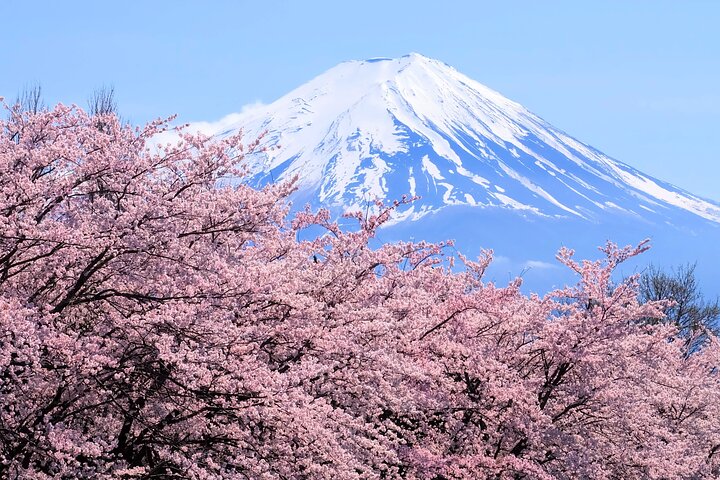
Hakone: Mount Fuji views, one to two hours from Tokyo
Hakone is the classic weekend from Tokyo, and for good reason. It is close, the mountain views are unbeatable on a clear day, and the ryokan culture here is genuinely excellent. Most of the famous baths in Hakone are inside ryokan or day-use spa facilities, and many of those offer private bathing options that sidestep the shared-bath tattoo question entirely.
The Fuji view is the main event. On a clear morning you can see the mountain from open-air baths, from the ropeway, and from boats on Lake Ashi. On a cloudy day you are looking at mist. I tell people to plan at least two nights if they can, because the weather changes fast and you want a second chance at the view. One night is fine but you are gambling on the forecast.
Hakone is one to two hours from central Tokyo depending on which train you take. The Romancecar is the comfortable option and costs a little more. The cheaper local trains work but you will change at Odawara. Either way, this is the region I recommend for first-timers who want the full onsen experience without committing to a long journey.
Kyoto: Funaoka Onsen and the historic bathhouses
Kyoto is famous for its temples, its food, and its inability to produce natural hot springs. Most of the bathing in Kyoto is sento, not onsen, and that is not a problem. The bathhouses here carry history that the onsen regions cannot match. Several have been operating for over a century, and a few have interiors that should be in museums.
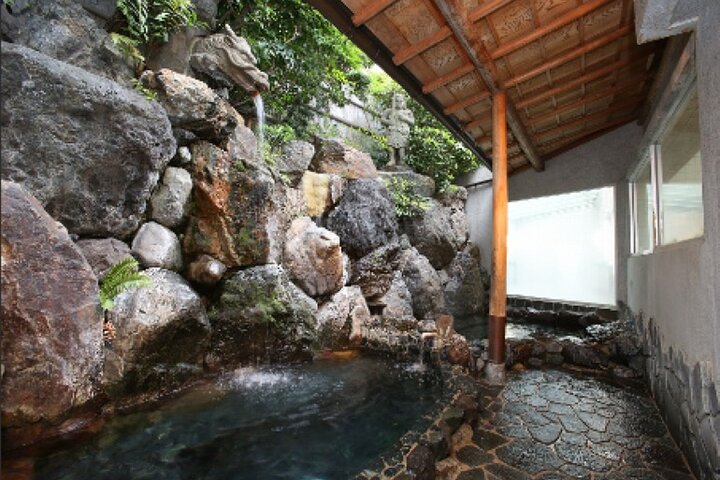
Funaoka Onsen is the standout. It is a small neighbourhood bath in northern Kyoto, opened in 1923, with a painted ceiling mural of Mt Fuji that has been maintained across multiple renovations. It is one of the few baths in Kyoto that openly welcomes tattoos, which is why I send first-time visitors there. The water itself is heated tap water with minerals added, so technically it is a sento, but it feels like stepping into a different era.
We earn a commission when you book through our links on Viator (PID P00299531), at no extra cost to you.
If you want to learn the etiquette properly before you bathe, the Tattoo-Friendly Bathing Tour at Funaoka Onsen is the tour I send nervous first-timers to. It covers the washing sequence, the temperature etiquette, and the cultural context, all at a bath where your ink is genuinely welcome.Kusatsu: best water quality in Japan, three hours from Tokyo
Kusatsu is a small mountain town in Gunma Prefecture, about 3 hours from Tokyo by train and bus. It has been ranked as having the best onsen water in Japan for over a decade running, and once you have soaked there you understand why. The water is hot, slightly acidic, and has a sulphur tang that you notice the moment you step in. It is also one of the highest-volume hot spring flows in the country, so the baths are constantly refreshed.
The town itself is built around the bathing ritual. There is a central yubatake, or hot spring field, where the water is cooled and distributed to the various public baths and ryokan. Steam rises from the streets. The locals treat bathing as a daily practice rather than a tourist activity, and that gives the place a different rhythm from Hakone or Beppu.
The famous ritual here is yumomi, where the hot water is stirred with long wooden paddles while attendants sing. It is performed several times a day at the yubatake and is worth watching even if you do not participate. Most of the public baths in Kusatsu do not allow tattoos, but several ryokan in town do, and I can point you to specific ones if you email me. The Kusatsu region is also where you start to feel the difference between a quick Tokyo bathhouse visit and a proper onsen town pilgrimage.
Beppu: eight hells and a bathable onsen town
Beppu is on the island of Kyushu, and it is a different kind of bathing destination. The town is famous for its jigoku, or hells, which are spectacular hot spring pools that are too hot to bathe in. There are eight of them in the standard tour, each with a different colour and mineral composition. They smell of sulphur, steam rises from every street corner, and the visual effect is genuinely otherworldly.
The hells themselves are for looking, not for soaking. If you want to actually bathe in Beppu, you go to one of the many onsen hotels and public baths elsewhere in town. These range from simple neighbourhood facilities to elaborate sand baths where you are buried up to your neck in naturally heated sand. The sand bath experience is unique to Beppu and is worth planning an afternoon around.
Getting to Beppu from Tokyo takes around five hours by Shinkansen, so I do not recommend it as a side trip. It works best as part of a Kyushu itinerary, paired with Yufuin or a stop in Fukuoka. If you are already in southern Japan, Beppu is the most dramatic hot spring situation in the country.
Onsen vs sento: the distinction that matters
Quick reference. An onsen uses natural geothermal spring water. A sento uses heated tap water. Both are public bathhouses. The tattoo policy, the price, and the experience can be very different.
This is the question I get asked most often by readers planning their first trip, and getting it wrong leads to real disappointment. The legal definition in Japan is that onsen water must come from a geothermal source and contain at least a minimum level of dissolved minerals. That is what makes an onsen an onsen. The water quality is the point.
Sento, by contrast, are public bathhouses that heat regular tap water. They exist historically because most Japanese homes did not have private baths, and they remain common in cities today. A sento can be a beautiful old building with a tiled mural and a loyal local crowd, or it can be a utilitarian modern facility. The bath itself is hot and clean, but the water is not from a spring.
The practical differences for travellers: onsen tend to charge more, often come with a view, and are more likely to be inside a ryokan or hotel rather than a standalone neighbourhood bath. Sento tend to be cheaper, more local, and closer to everyday life. For tattooed travellers, sento in Tokyo and Kyoto are often more welcoming than the major onsen resorts, which is one reason I keep both lists on this site.
Picking a destination by trip length
One evening in Tokyo: a neighbourhood sento, or one of the natural springs in the north of the city. Add a guided experience if you want context.
One weekend from Tokyo: Hakone. One to two hours each way, ryokan stay optional, Mount Fuji if the weather cooperates.
One week across Honshu: Tokyo, Hakone, Kyoto, and a side trip to Kusatsu. This is the classic route and it covers the four most different bathing cultures on the main island.
Two weeks including Kyushu: add Beppu and Yufuin. This is the full pilgrimage and is what I recommend to anyone serious about hot springs.
Beppu Private Tour - Onsen Experience in nature
[Hot Spring Experience in Nature + Jigokumushi Steamed Snacks Experience Plan] Enjoy a hot spring experience immersed in the natural environment of a bamboo gro
Check availabilityMt Fuji and Hakone 1-Day Bus Tour Return by Bullet Train
Escape from the city of Tokyo and discover Japan's natural miracle around the World Heritage Mt. Fuji and Hakone in 1 day! The deluxe coach will take you to th
Check availabilityBeppu Private Tour - Onsen Experience in nature
[Hot Spring Experience in Nature + Jigokumushi Steamed Snacks Experience Plan] Enjoy a hot spring experience immersed in the natural environment of a bamboo gro
Check availabilityMt Fuji and Hakone 1-Day Bus Tour Return by Bullet Train
Escape from the city of Tokyo and discover Japan's natural miracle around the World Heritage Mt. Fuji and Hakone in 1 day! The deluxe coach will take you to th
Check availabilityBeppu Private Tour - Onsen Experience in nature
[Hot Spring Experience in Nature + Jigokumushi Steamed Snacks Experience Plan] Enjoy a hot spring experience immersed in the natural environment of a bamboo gro
Check availabilityBeppu Private Tour - Onsen Experience in nature
[Hot Spring Experience in Nature + Jigokumushi Steamed Snacks Experience Plan] Enjoy a hot spring experience immersed in the natural environment of a bamboo gro
Check availabilityMt Fuji and Hakone 1-Day Bus Tour Return by Bullet Train
Escape from the city of Tokyo and discover Japan's natural miracle around the World Heritage Mt. Fuji and Hakone in 1 day! The deluxe coach will take you to th
Check availability