Arima Onsen
Arima Onsen: Japan's Oldest Hot Spring Town Near Kobe
>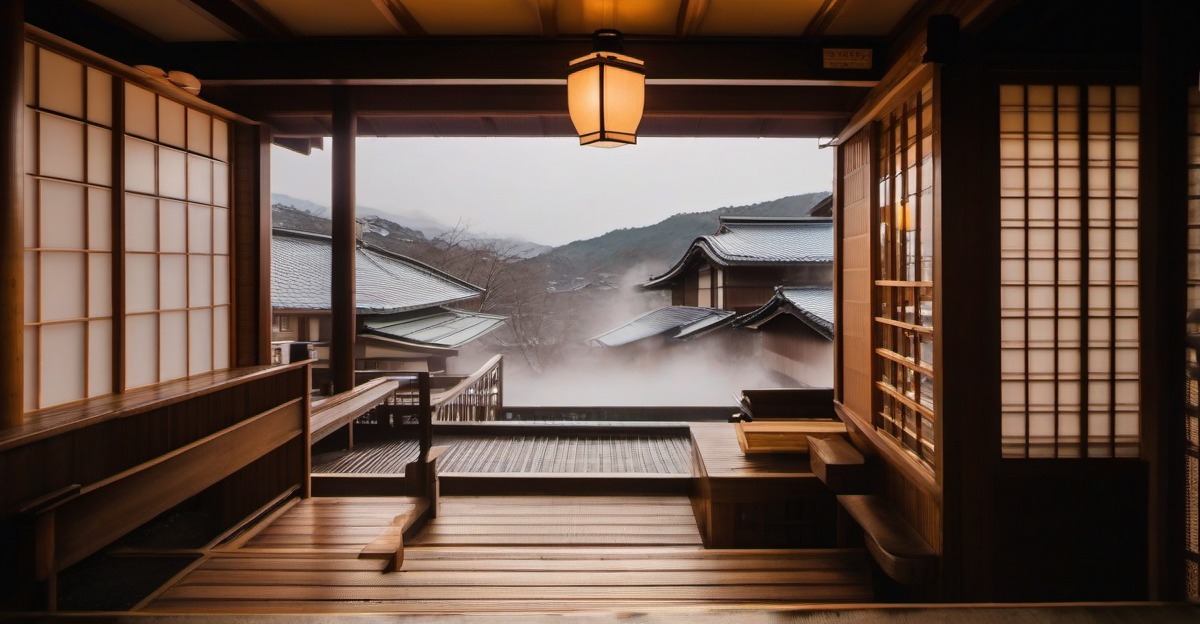
A 7th-century mountain town, 90 minutes from Osaka, with two distinct mineral springs, kaiseki ryokan, and an architecture that has been rebuilt several times but never lost its character.
We earn a commission when you book through our Viator links, at no extra cost to you.
Why Arima works
Arima Onsen is one of the oldest documented hot spring towns in Japan, recorded in the 7th-century Kojiki and imperial chronicles. The emperors of the Asuka and Nara periods came here to bathe. The town burnt, was rebuilt, was damaged in earthquakes, was rebuilt again, and remained a destination through every era. Today it sits in the foothills above Kobe, an hour and a half from Osaka by rail, and offers a perspective on the onsen tradition that the more tourist-developed Hakone and Beppu cannot.
What makes Arima unusual is that the town has two distinct mineral springs, each with its own color, mineral profile, and therapeutic claim. Few onsen towns in Japan have two. Most have one. Hakone has three or four if you count the regional variants. Arima has exactly two, both concentrated in the small mountain town center.
Two springs: Kinsen and Ginsen
The two Arima springs have been given names that match their color:
- Kinsen (gold water). The rarer spring. Iron-rich, slightly radioactive, rust-colored when it cools, with high hydrogen-carbonate content. About a dozen ryokan in town pipe Kinsen from this source, and the dedicated public bath house Kin no Yu is built specifically around it. The water feels velvety on the skin and leaves a faint iron residue at the waterline. Claimed for skin conditions, circulation, and recovery from fatigue.
- Ginsen (silver water). The more common spring. Clear, slightly carbonated, with visible bubbles at the source. Most bathhouses in Arima pipe Ginsen. The larger public bath house Gin no Yu is dedicated to this water. It is the gentler, more accessible spring, most first-timers start here.
The honest version: you will not feel dramatically different between the two. Both are warm, both are mineral, both are pleasant. The experience of bathing in Kin no Yu, however, is slightly more atmospheric because the bath is older and the surrounding building is a 1990s reconstruction with a tatami rest area and a hot-spring steam dome. Gin no Yu is larger, more institutional, and more for the practical soak.
The town layout
Arima is small. The whole town center is walkable in 20 minutes. Three streets matter:
- Onsen street (Yumekoji). The main shopping street, 300 metres of souvenir shops, tea houses, local craft stores, and small restaurants. Lunch is best on this street.
- Sannomaru slope. The slope between the two main bath houses. The traditional neighborhood, with narrow alleys and the old Toyooka shrine at the top.
- Nenohashi. The bridge over the Todoro river that anchors the lower town. A handful of historic ryokan sit on either side of the river, and the night view here is the most evocative in town.
Most visitors walk the onsen street, do one or both public baths, eat a kaiseki lunch at a ryokan or a hot pot at one of the local restaurants, and finish with the temple walk.
Day trip vs overnight
Arima is doable as a half-day side trip from Osaka or Kobe. Take the 9am train from Osaka, arrive 10:30am, do Gin no Yu first, lunch at a ryokan, walk Kin no Yu, finish with the onsen street, and return by 4pm.
An overnight stay is the right call if you can spare the time. The town is at its best after dark. The ryokan outdoor baths are quiet after 9pm, the onsen street lanterns are lit, and the river reflects the lights of the older inns. Most Arima ryokan include dinner and breakfast for around 18,000 to 35,000 yen per person, with high-end kaiseki plans at the larger properties going up to 50,000 yen.
Ryokan picks at three price points
- Arima Onsen Gekkoen Korakuen. Mid-range, large ryokan on the river. Multiple pools, kaiseki dinner, and a small outdoor rotenburo framed by cedars. Tattoo-friendly across most pools. From 22,000 yen per person with two meals.
- Arima Onsen Tocen Goshoboh. High-end, historic ryokan that has hosted the imperial family. Older wood interior, kaiseki dinner drawing on Kobe beef. Tattoo-friendly across shared baths. From 38,000 yen per person.
- Onsen Ryokan Arima-Sekisuitei. Small, modern boutique ryokan with private outdoor baths in every room. From 32,000 yen per person. Tattoo-friendly across all pools including shared.
Best season for a visit
Late October and November is the foliage window. The cedars along the slopes turn amber, the morning mists rise from the river, and the combination of autumn color with warm bath is one of the most-photographed combinations in Kansai. Mid-winter (January to early February) is also strong, snow occasionally falls, the public baths are warmest by comparison, and the town is quiet.
Summer is the most comfortable time to walk the town, with morning mists and evening cool. Spring is busy with cherry blossom and tulip displays in the lower town, but the bath does not change.
Tattoo policy summary
Arima is stricter than Hakone or Beppu. The two main public bath houses enforce sticker policies. The front desks sell the stickers themselves for about 100 yen per sheet. Sticker coverage is the right answer at Kin no Yu and Gin no Yu. Many ryokan in town accept tattoos in their private baths, and most accept stickers in shared baths. If you have a sleeve, plan to visit a ryokan with private bath access, or use the smaller tattoo-friendly ryokan at the edge of town.
Getting there, step by step
- From Osaka Umeda, JR Special Rapid to Sannomiya, 25 minutes. Transfer to the Kobe Electric Railway (Shintetsu) and go direct to Arima Onsen Station, 35 minutes.
- From Kobe Sannomiya, Shintetsu direct to Arima Onsen, 45 minutes. No transfers.
- From Kyoto, JR Special Rapid via Osaka to Sannomiya, then Shintetsu. About 2 hours 15 minutes total.
- From Kansai International Airport, limousine bus to Kobe Sannomiya (75 minutes), then Shintetsu (45 minutes). About 2 hours 30 minutes total.
Book an Arima Onsen experience
Viator lists half-day tours from Osaka and Kobe, plus overnight ryokan packages with guaranteed private bath. The Arima listings below are bookable year-round, with off-season rates November through February.
Book an Arima Onsen Day Trip from Osaka →
Frequently asked
Is Arima the oldest onsen town?
One of the three oldest documented. The Kojiki and Nihon Shoki record imperial visits in the 7th century. The town has been continuously in operation since.
How do I get to Arima from Osaka?
JR Special Rapid to Sannomiya, 25 minutes. Shintetsu to Arima Onsen Station, 35 minutes. About 90 minutes total.
Gold water vs silver water?
Kinsen (gold) is iron-rich and slightly radioactive. Ginsen (silver) is carbonated. Most first-timers bathe in Ginsen. Kinsen is the headline Arima water.
Day trip enough?
Yes for a 4 to 6 hour visit. Stay overnight if you can, the town is most atmospheric at night.
Tattoo-friendly?
Public bath houses require stickers. Most ryokan accept tattoos in private baths. Stickers are sold at front desks for 100 yen.
Related: Hakone onsen · Beppu onsen · Kusatsu onsen · All destinations
By Emi Kato, onsen specialist. Twelve years documenting Japan's hot springs from a base in Kyoto, with regular trips to Kansai's onsen towns. The Arima recommendations reflect stays in late autumn and early spring. The sticker policy at the public baths is enforced without exception.
Become a Local! A Walking Tour of Arts, Crafts & Onsen Culture
Fancy avoiding crowded touristic hotspots and exploring more 'local' areas you likely wouldn't find in a travel brochure? In this exclusive, small-group walking
Check availabilityExplore More
Related guides and comparisons: