Onsen Etiquette
Onsen Etiquette: First-Timer's Step-by-Step Guide
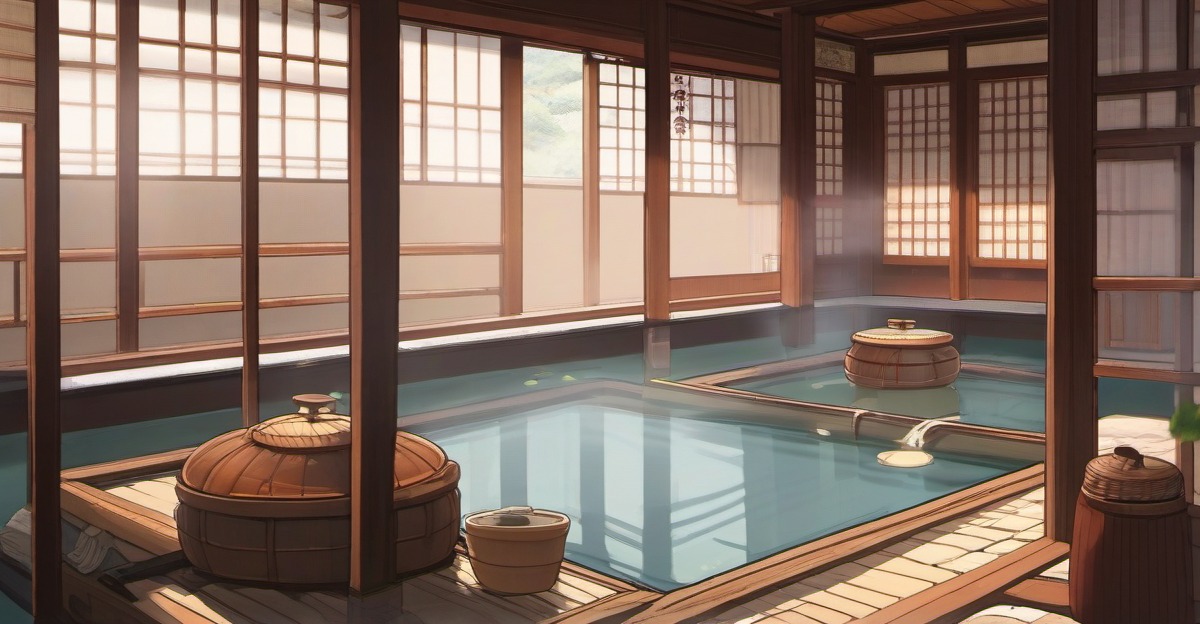
>
The full ritual, in plain English. Wash first. Small towel off the bath. No swimsuit. No staring. No phone.
We earn a commission when you book through our Viator links, at no extra cost to you.
The full ritual, step by step
The first time you walk into a Japanese onsen can feel intimidating. Most first-timers admit later that they spent half their visit guessing. Here is the ritual in order. Once you have done it twice, it stops being something you think about.
Step 1. Check in and use the locker room
Take your shoes off at the entrance. Pay the admission fee at the counter (typically 500 to 1,500 yen for day-use sento, often included for ryokan guests). You will receive a wristband, a locker key, or a numbered tag. Find your cubicle in the changing room, called daiyokujō, and strip fully. The bath is always nude. Put your clothes, your watch, and your phone in the locker.
Step 2. Pick the correct gender area
Bathhouses have separate bath areas for men and women. Blue curtains or signs mark men, red marks women. The kanji 男 means man, 女 means woman. If in doubt, ask the attendant at the front desk before you go in. Asking once is much better than walking into the wrong side.
Step 3. Wash and rinse at the shower stools
Inside the bath area you will see low wooden or plastic stools, handheld shower heads, and a row of baskets with soap and shampoo. Sit on a stool. Turn the handle, test the temperature, then lather up and rinse your whole body and your hair. The point of this step: the bath is for soaking, not for cleaning. You enter clean.
Two practical notes. First, do not let water from your shower spray into the bath. Second, leave the stool and bucket tidy for the next guest.
Step 4. Enter the bath quietly
Step in slowly. The hot spring water is typically 38 to 43 degrees Celsius, hotter than most Western baths. Bring your small towel, called a tenugui, with you. Do not put it in the water. Instead, fold it and rest it on top of your head, which is an old custom that helped bathhouses keep towels dry. Anywhere outside the bath works.
Enter the bath quietly. No splashing. The onsen is a shared quiet space.
Step 5. Soak, exit, rinse, repeat
Soak for 10 to 20 minutes. Watch your body. If you feel light-headed, get out. Standing up too fast after a long soak can cause dizziness. Step out, rinse briefly with clean shower water, and rest on the bench for 10 minutes. Drink water. Most guests do two or three soak sessions per visit.
Step 6. Dry, dress, drink
Back in the changing room, sit on the bench and dry off fully before dressing. Use the towels in the basket or your own. Drink water after the bath. Your body has lost fluid through sweat and you will feel dehydrated if you skip this.
What not to do
- No swimsuit. Japanese onsen are clothing-free. If you want to bathe clothed, book a private bath or in-room tub instead.
- No towel in the bath. The small towel stays on your head or on the bath edge.
- No phone, no camera. Photography is forbidden in the bathing areas.
- No staring. Japanese bathing culture is body-positive and equalizing. Staring at other guests is rude. Closed eyes and quiet conversation are the norm.
- No jumping, no splashing. No diving. No swimming. Bath water is shared.
- No shaving, no soap in the bath. All cleaning happens at the stools in the wash area.
- No long hair loose. Tie long hair up so it does not enter the bath.
Tattoo policies, briefly
Many traditional onsen still refuse visible tattoos because of historical associations with organized crime. Tattoo-friendly alternatives include:
- Tattoo cover stickers. 10cm by 10cm seals that hide the tattoo. Don Quijote sells them.
- Private baths (kazoku-buro). Most ryokan offer one or two private bath slots that anyone can reserve.
- Modern facilities. Tokyo's Thermae-Yu and some newer onsen complexes are explicitly tattoo-friendly.
Our Hakone guide and Beppu guide list which specific properties accept tattoos.
Gender, accessibility, and other practical bits
Most large public baths offer gender-separated pools and at least one gender-neutral or family bath. Disabled access varies: a few modern facilities have hoists and ramps, but most historic ryokan involve stairs. If you have a mobility limitation, call ahead. Photography is not allowed anywhere in the bathing areas. Thefts of phones and cameras are not common in Japan but lockers are mandatory for a reason.
Frequently asked
Is it nude for everyone?
Yes. Bathing is always nude. Children bathe with their same-gender parent. Same-sex bathing pools are the rule, gender separation is enforced, and swimwear is not permitted.
What if I have a tattoo?
Buy cover stickers, choose a private bath, or pick a tattoo-friendly property. Our Hakone and Tokyo guides name specific spots.
How do I tell men from women?
Blue means men, red means women. Or look for the kanji: 男 is men, 女 is women.
Can I have a bath alone?
Yes. Most ryokan have at least one private bath that you can reserve in 40 to 60 minute slots. Some hotel chains offer in-room tubs. Both options bypass communal-bath etiquette entirely.
What about kids?
Most onsen welcome children. Kids bathe with their same-gender parent. Bring swim diapers if your child is not yet toilet-trained. Some ryokan are no-children properties, so book elsewhere if traveling with very young children.
Related: Hakone onsen · Beppu onsen · Tokyo onsen
By Emi Kato, onsen specialist. Twelve years documenting Japan's hot springs from a base in Kyoto. The ritual described here is the standard one. Regional variations (rotemburo temperature, washing stool layout, towel-on-head custom) exist and don't change the core etiquette.
Book a first-timer-friendly onsen experience
If the ritual feels abstract until you do it, book a chaperoned introduction. The Hakone and Tokyo Viator listings below walk guests through washing, gender selection, and pool etiquette with English-speaking staff. Private bath options are available for travelers with tattoos, modest preferences, or anyone who simply prefers to soak alone.
Hakone Luxury Onsen Private Tour
Hakone Luxury Onsen Private Tour offers a relaxing full day journey through Hakone's breathtaking natural landscapes, scenic viewpoints, and authentic Japanese
Check availabilityExplore More
Related guides and comparisons: