
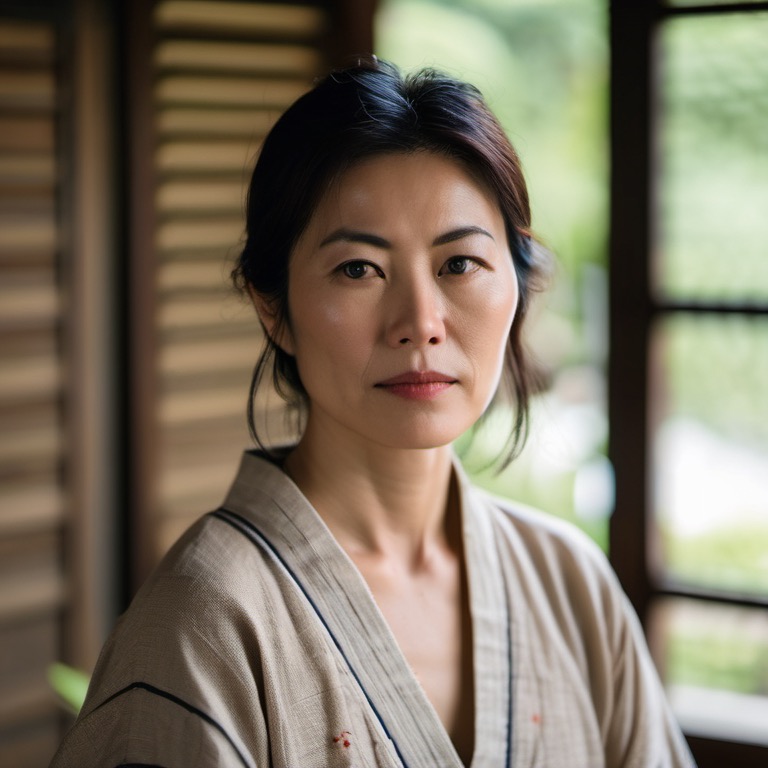
The first time I walked into Kinosaki, I checked into my ryokan, changed into the yukata they had laid out on the futon, and stepped out the front door in geta. Within thirty seconds an older woman walking her dog nodded at me, a shopkeeper called out "otsukaresama" from her doorway, and a group of junior high school students on a school trip bowed as we passed each other on the stone path. I was wearing a yukata and wooden sandals in public, on a main street, in the rain, and nobody stared. That is when I understood what Kinosaki is.
Kinosaki is a small hot spring town in northern Hyogo Prefecture, about two and a half hours from Kyoto by limited express train. It has been a bathing destination for over 1,300 years, since a Buddhist monk saw a white heron healing a broken wing in the river and traced the bird back to the spring. The town has seven public bathhouses, called sotoyu, scattered along a willow-lined canal that runs through the centre. None of them are particularly famous individually. Together, they are one of the most extraordinary bathing experiences in Japan, and the easiest major onsen town to visit if you have a tattoo.
The seven public baths
The seven sotoyu are small, atmospheric, and each with its own personality. The water at every one comes from the same underlying spring system, but the mineral composition and temperature differ slightly. Locals have favourites. Travellers tend to pick by mood and time of day. Here is what I tell people to expect.
- Sarumashi no Yu. Named for a monkey legend, this is the most photographed of the seven. The outdoor pool sits beneath a wooden pavilion with views across the river. Go at sunrise if you can. It is also the only one open before 7am, and the early bath is the single best onsen moment I have had in Kinosaki.
- Kouno Yu. The oldest of the seven, with a long cedar changing room and a single round outdoor pool. It is small and intimate and feels the closest to the original 8th-century bath.
- Ichino Yu. A river-view outdoor pool with a stone floor and a quiet feel. The water here runs a little hotter than the others. Good for an afternoon soak when the crowds thin out.
- Goshono Yu. A larger, more modern bath with both indoor and outdoor pools. Often the first stop for visitors because it sits at the centre of town.
- Jizou Yu. A small, neighbourhood-feeling bath. Locals outnumber tourists here, which I count as a feature.
- Mandara Yu. Cave-style stone bathing, dark and warm and atmospheric. A good evening stop.
- Tanbo Yu. A newer addition with a rice-field view and a clean, modern interior. The least traditional of the seven but the most comfortable for first-timers.
The seven together are walkable in a single morning. The path between them runs along the Otani River, lined with cherry trees, stone bridges, and small lanterns. In winter the steam from the bathhouses and the river fog blend into something genuinely atmospheric. The distance from one end to the other is about 1.5 kilometres, and the walk itself is part of the experience.
The sotoyu pass
This is the deal that makes Kinosaki what it is. Every ryokan and most hotels in town sell a sotoyu meguri no wafuda, a small wooden pass that gives you entry to all seven bathhouses. The cost in 2026 is 1,500 yen, and it is valid for the duration of your stay. You keep the pass as a souvenir. The wooden tag is a traditional craft from the local Kinosaki craftsmen, and the small handwritten characters are different at each bath, which is part of why people collect them.
The math is simple. The pass is 1,500 yen. Each individual bath charges 800 yen for adults. If you bathe in three of the seven during your stay you have broken even. Most visitors do all seven. I do six on a typical visit, skipping one to save something for the next trip, which is a habit I recommend.
The pass comes with a small map of the seven bathhouses and the route between them. Pick it up at your ryokan on check-in, drop the wooden tag in the box at each bath entrance, and the attendants stamp or initial it. There is no app, no digital scan. The wooden pass is the whole system.
The yukata town
Every ryokan in Kinosaki provides a yukata and a pair of geta or zori in your room. The tradition is that you wear these outside, walking between the bathhouses, to the restaurants, and along the canal. You will see entire families, school groups on trips, and elderly couples out for their evening stroll in yukata. It is not a costume. It is the everyday dress of the town after 5pm.
The first time I wore mine outside I felt slightly self-conscious, like I was pretending to be something I was not. That lasted about four minutes. The yukata is comfortable, the geta click pleasantly on the stone, and the local custom is so normalised that nobody looks twice. By the second night I was wearing it to the convenience store without thinking about it.
Pack a small drawstring bag in your ryokan room. You will need it for the walk between baths, to carry your towel, your toiletries, and the wooden pass. Most ryokan lend you a small woven basket, which is part of the kit.
Tattoo policy: genuinely welcoming
Here is the single most useful fact about Kinosaki for me personally. All seven sotoyu are tattoo-friendly. There is no formal announcement at the entrance, no charge for entering with ink, no awkward conversation at the counter. You walk in, you pay your pass or your 800 yen, you bathe. I have visited five times now with my full back piece fully visible, and I have never been asked about it once.
This is unusual in Japan and it is part of why Kinosaki shows up on so many tattooed traveller lists. The local policy seems to be a deliberate tourism choice made by the town decades ago, and it has stuck. Visitors with visible ink are a normal part of the bathing culture here, and the attendants at every bath I have visited treat tattooed guests exactly the same as everyone else.
If you have a small piece and would prefer to cover it, that is also fine and nobody will comment. But you do not need to. The water is open.
When to go, how long to stay
Kinosaki works best with two nights. One night is fine if you are short on time, and the pass still makes sense because you can bathe in three or four of the seven on arrival and the rest on departure morning. Two nights lets you do the full circuit at a relaxed pace, with a proper ryokan dinner and a long morning soak before the train.
Seasons matter. Spring brings cherry blossoms along the canal. Summer is humid and the baths feel even better. Autumn has the colours. Winter, between December and February, is when Kinosaki is at its most atmospheric: steam from the river, snow on the rooftops, the smell of hot sake from the small bars. The downside is that prices rise and ryokan book out weeks ahead.
Crab season, from early November to late March, is the other big draw. Kinosaki is famous for its snow crab, and the town is full of small restaurants serving it. Most ryokan include a crab dinner in the room rate during these months. If you are going to come in winter, book at least six weeks ahead.
Getting there
From Kyoto, take the JR San'in limited express from Kyoto Station to Kinosaki Onsen Station. The journey takes about two and a half hours and costs around 4,500 yen. From Osaka, allow three hours. From Tokyo, the easiest route is the Tokaido Shinkansen to Kyoto and then transfer, which is around four and a half hours total.
The station is a ten-minute walk from the town centre. Most ryokan will meet you at the station if you call ahead, which I strongly recommend, especially in winter when you are carrying luggage through the snow.
Where the town is worth the detour
Kinosaki pairs well with a Kyoto trip. Most visitors do three or four nights in Kyoto followed by two nights in Kinosaki, which gives you the temples and the historic bathhouses in one go. The train transfer is easy and the change of pace is real. If you only have time for one side trip from Kyoto on a week-long itinerary, Kinosaki is the one I recommend.
We earn a commission when you book through our links on Viator (PID P00299531), at no extra cost to you.
If you want a guide to handle the onsen side of the trip, a few tours include the Kinosaki region. Search Kinosaki onsen tours on Viator for current options, or pair it with a day trip from Kyoto that includes the Amanohashidate sandbar on the way back.A final word on the yukata
The thing I want to leave you with is small. When you arrive in Kinosaki, change into your yukata before you walk out of the ryokan. Do not wait until after dinner. Do not keep it folded in the basket for the bathhouse only. Put it on, step into the geta, and walk out into the town. The seven baths are the headline. The yukata walk between them is the thing that makes the place unforgettable.