Kyoto Onsen Guide: Arashiyama, Kurama and Day-Use Baths
We earn a commission when you book through our links on Viator (PID P00299531), at no extra cost to you. This is how we keep the site free. Learn more →
What shapes a visit to Kyoto
Kyoto's onsen are mostly in the Arashiyama and Kurama areas, not central Kyoto. If you want a hot spring soak between temples, plan it for the edges of the city. Treat a downtown bathhouse as a sento visit, not a hot spring.
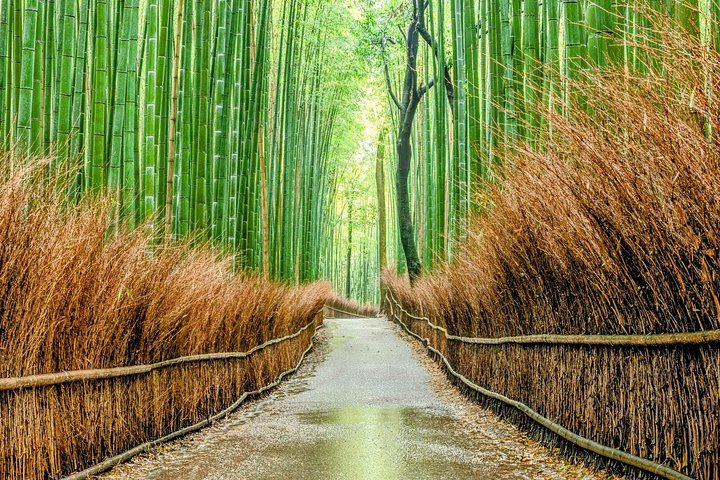
My clearest Kyoto bath memory comes from a weekday morning in Arashiyama. I watched mist lift off the river while the water held me still. Through the fence around the outdoor bath I could see the bamboo forest catching the early light. A temple bell sounded somewhere in the distance and nobody else made a sound.
That morning settled the question for me. The baths worth crossing Kyoto for sit outside the centre, in Arashiyama and Kurama. You can still find bathing culture in the old neighbourhoods downtown, but that's a different thing, and I'll get to it below.
To learn what separates a hot spring from a bathhouse or a ryokan bath, the Japan Onsen: Official Cultural Tourism Site sorts onsen by type and region and explains how to choose a ryokan.
If you plan to stay on the downtown temple circuit the whole time, don't count on a hot spring along the way.
Kurama Onsen Guided Tour: Cultural Bathing Experience & Meal: what the itinerary covers
A traveller lands in Kyoto expecting hot springs downtown, finds none, and wonders whether they need to leave Kansai for a real soak. This day trip from Kyoto puts a mountain temple and an onsen in the same day. It adds a guided cultural bathing walkthrough and a meal, so first-timers get the etiquette explained before they undress.
In my judgement it suits temple-focused visitors who want one proper onsen without rebuilding the whole itinerary around it. The pairing works because Kurama already draws people for its temple.
Kaiseki dinner is the multi-course traditional meal served at ryokan. A guided day trip with a meal is a different product, and it won't replace an evening in a yukata followed by a slow dinner in your room.
Planning onsen alongside cultural sightseeing in Kyoto
You don't need a ryokan night to fit a soak around sightseeing. Day-use onsen (hi-gaeri) allow bathing without overnight stay. For Kyoto that means you can spend the morning at temples and put a bath in the late afternoon, when your legs have earned it.
For the outdoor bath, the rotemburo, I aim for early morning or late afternoon, and midweek when my schedule allows. The quiet I described in Arashiyama belongs to that kind of timing.
Seasons matter too. Autumn (October-November) is peak season for foliage views from baths. I've collected the timing for that season in my autumn foliage onsen guide. Cherry blossom season in spring is also busy. June is rainy season with fewer crowds, while July and August are hot and humid. For forecasts before you commit to an outdoor bath, check the Japan Meteorological Corporation.
Pass on the peak-foliage weeks if crowds wear you down.
Tattoo-Friendly Japanese Bathing Culture Tour at Funaoka Onsen: who this tour suits
Here is the downtown option I mentioned earlier. This guided visit takes you to one of Kyoto's landmark public bathhouses and walks you through bathing etiquette. It's a working sento, so expect the neighbourhood crowd, not a resort.
The tour is billed as tattoo-friendly, which matters in Japan. Tattoo policies vary by establishment. Always confirm before visiting. The JNTO onsen etiquette and rules page covers bathing rules and tattoo policies, and it's worth reading before any bath in Kyoto.
This one is not for you if you picture mountain views and an outdoor rotemburo. Book it for the culture and the walkthrough. For scenery, go to Kurama.
What Surprised Me About Kyoto
Kyoto bathing turned out to be three separate things: neighbourhood sento, ryokan baths, and hot springs on the city's fringes. The region's dedicated onsen town, Kinosaki, isn't in Kyoto at all.
Kinosaki deserves its own trip, not a detour. It works better for someone sleeping there than squeezed into a Kyoto temple day, and trying to visit several onsen towns in one day is a mistake I'd steer anyone away from.
If you're based in Osaka, a full-day tour from Osaka or Kyoto combines Nara's deer park, Uji matcha and a hot spring visit. Leave it off your list if the soak is the whole point, because that loop gives the bath a supporting role. My Osaka onsen guide and the Kyoto vs Osaka onsen comparison cover that base in more detail. If you're still choosing between regions, read my Hakone vs Kyoto onsen comparison first.
For wider trip planning across Kansai, including regions and transport, the Japan National Tourism Organization (JNTO) is the reference I trust.
Planning the visit well
The ryokan details decide whether your bath feels relaxed or rushed. Check-in at traditional ryokan starts at 3pm, with check-out at 10am. Plan your temple mornings around that window, and check the bath arrangements before you pay.
Private onsen (kashikiri-buro) at ryokan book in 50-minute slots and cost ¥2,000-5,000 extra on top of the room rate. They fill up for weekends, so reserve the bath when you reserve the room, not at check-in. My ryokan guide goes deeper on what to ask.
Don't take the earliest dinner slot if you want a relaxed bath first. Wear the yukata left side over right; right over left is for funerals.
At the bathhouse entrance, coin lockers need change, so carry coins. Carry cash in general, since not every bath takes cards. Bring your own tenugui, the small towel, because rental sets don't always include one. Drink water before and after bathing.
Skip this format if you're comfortable in shared baths and on a tight budget. The private-bath surcharge buys privacy, not better water.
Before you visit
The mistakes that cause trouble in Kyoto baths are about etiquette and location, not the water. Bathing is naked, so leave the swimwear behind. Wash thoroughly at the stations before you get in, and keep the small towel out of the water.
Pull the shower head out of the bucket before you rinse so you don't spray your neighbours. Never dunk your head, since some baths prohibit it for hygiene. Photos inside the bathing area are strictly prohibited at the baths I know. Take off your outdoor shoes before stepping onto tatami. Some smaller baths close one weekday for cleaning, so confirm before planning a Monday or Tuesday visit.
Don't stay in too long. If you feel dizzy or nauseous, get out immediately and cool down. Stay out of the bath after heavy drinking, because it raises the risk of fainting.
If tattoos are a concern, write to the ryokan politely before booking. Bring waterproof cover bandages from home, since Japanese pharmacies have limited sizes.
A guided walkthrough is a gentler start for a nervous first-timer than wandering into an unfamiliar bath alone.
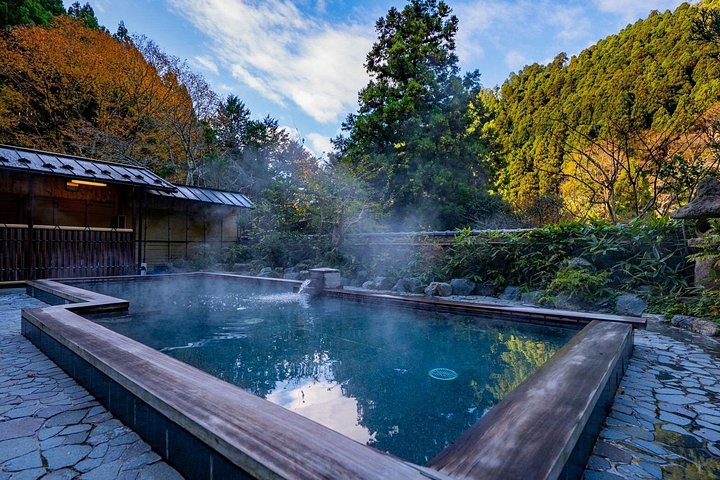
Kurama Onsen Guided Tour: Cultural Bathing Experience & Meal
From $71.38 · Price checked: Nov 2, 2026
Best for: Kyoto visitors wanting a real onsen without going to Hakone
Not for: Travelers wanting a big resort onsen town or a ryokan overnight
Kurama Onsen day trip from Kyoto. Mountain temple + onsen in one day.
Check availabilityExternal booking on Viator · pricing and cancellations handled by Viator
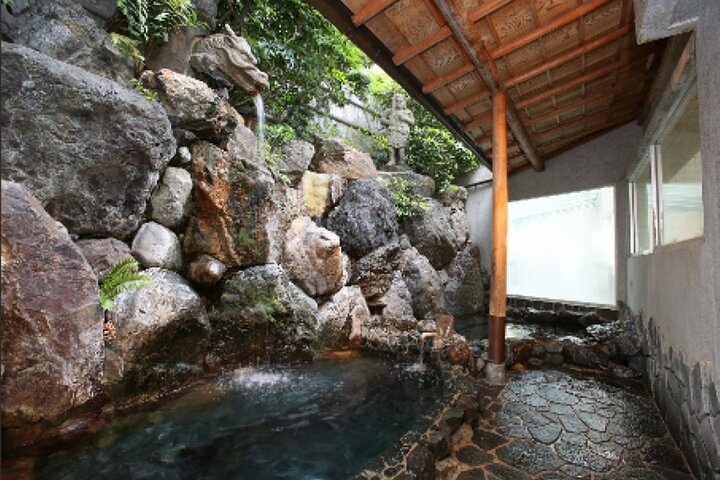
Tattoo-Friendly Japanese Bathing Culture Tour at Funaoka Onsen
From $45.37 · Price checked: Sep 2026
Best for: Kyoto travelers who want to understand sento bathing culture through an old neighborhood bathhouse
Not for: Travelers looking for a private bath or a ryokan experience
A guided visit to one of Kyoto's landmark public bathhouses, with a bathing walkthrough; it is a working sento, so expect the neighborhood crowd, not a resort.
Check availabilityExternal booking on Viator · pricing and cancellations handled by Viator
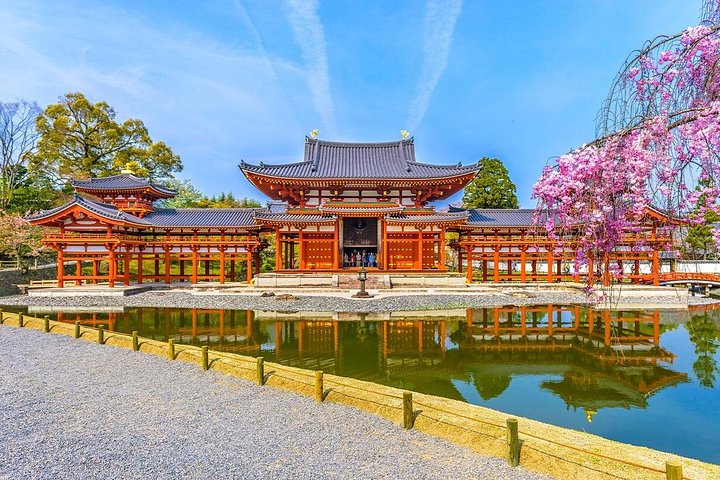
Nara Deer Park, Uji Matcha, & Hot Spring Full-Day Tour from Osaka
From $58.40 · Price checked: Nov 2, 2026
Best for: Travelers who want a bathing stop inside a sightseeing day
Not for: Travelers seeking a purely onsen-focused day
Full-day loop from Osaka or Kyoto pairing Nara's deer park, Uji matcha and a hot spring visit.
Check availabilityExternal booking on Viator · pricing and cancellations handled by Viator
Explore More
Related comparisons and guides:
Frequently Asked Questions
Are there hot springs in central Kyoto?
Central Kyoto's bathing scene is built around neighbourhood sento such as Funaoka, which works as a public bathhouse. For a hot spring setting, I send people to Arashiyama or Kurama.
Do I need a ryokan booking to bathe in Kyoto?
You don't, because day-use visits let you bathe and leave. A guided day trip to Kurama is the simplest way to add a soak with an etiquette briefing built in.
Can I bathe in Kyoto if I have tattoos?
The Funaoka bathing culture tour is marketed as tattoo-friendly, but other baths and ryokan set their own rules. Check tattoo-friendly listings or apps close to your visit, because guidebooks fall behind policy changes.
When is a quiet time to visit a Kyoto onsen?
Early morning and late afternoon are my picks for the outdoor bath, and midweek beats weekends. June's rainy season brings fewer crowds than the autumn foliage weeks.
Is Kinosaki part of a Kyoto onsen trip?
Kinosaki is its own onsen town and works better as a separate stay, not as part of a Kyoto sightseeing day.
Written from Kyoto, Japan.