Osaka Onsen Guide: Spa World, Day-Use Baths and Etiquette
We earn a commission when you book through our links on Viator (PID P00299531), at no extra cost to you. This is how we keep the site free. Learn more →
What shapes a visit to Osaka
In Osaka, onsen bathing happens in commercial bath complexes and day-use venues. You won't find a traditional hot spring town here, and for a first-timer that works in your favour. Osaka's onsen options include Spa World, a themed bath complex open 24 hours.
I think Osaka gets misjudged because people arrive expecting steaming streets, wooden inns and a single spring running through town. Its bathing happens inside big, bright buildings full of posted rules, and I mean that as praise. Towel rental is available at most commercial onsen (300-500 yen).
What Osaka lacks is old-inn atmosphere. Rotemburo means outdoor bath. For that side of Kansai, our traditional onsen-town guide and the Kyoto vs Osaka onsen comparison are the pages to read. For region and transport planning before you pick a base, the Japan National Tourism Organization (JNTO) keeps area guides up to date.
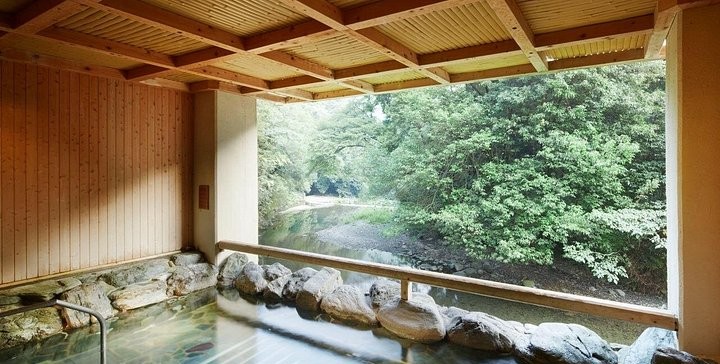
Kurama Onsen Guided Tour: Cultural Bathing Experience & Meal: what the itinerary covers
I'd put the Kurama tour first for anyone who wants a real onsen day without leaving Kansai for somewhere far away. It starts in Kyoto and combines a mountain temple with an onsen in one day, plus a guide and a meal. If you're splitting nights between the two cities, read it alongside my Kyoto onsen page.
If you're based in Osaka with only one free evening, give this a pass.
Kurama Onsen Guided Tour: Cultural Bathing Experience & Meal
From $69.35 · Price checked: Jul 2026
Best for: Kyoto visitors wanting a real onsen without going to Hakone
Not for: Travelers wanting a big resort onsen town or a ryokan overnight
Kurama Onsen day trip from Kyoto. Mountain temple + onsen in one day.
Check availabilityExternal booking on Viator · pricing and cancellations handled by Viator
Planning urban bath complexes in Osaka
Most onsen have a rest area with tatami mats and vending machines after bathing. Use it. Lie down, drink some water and give your body time to settle before you go back out into the city.
Check the vending machines for milk in glass bottles. Water matters more, though. Drink it before and after you soak, because hot water can dehydrate you fast.
A city complex can't give you the moment I chase hardest. For me, that happened in Nagano, in February, with snow falling. I stepped out into air so cold that steam rolled off my shoulders the moment I left the water. Snowflakes landed on my neck and melted before I could properly feel them, and monkeys watched me from the rocks above the pool without much interest. That clash of freezing air and hot water is the peak of onsen bathing for me, and it's worth the cold.
In winter, from December to February, snow plus an outdoor rotemburo is the classic onsen experience, and Nagano is the prime place for it. New Year is also a peak travel window. Check the Japan Meteorological Corporation for snow forecasts before you commit to a mountain detour.
Mt. Inunaki Trekking and Hot Springs in Izumisano, Osaka: who this tour suits
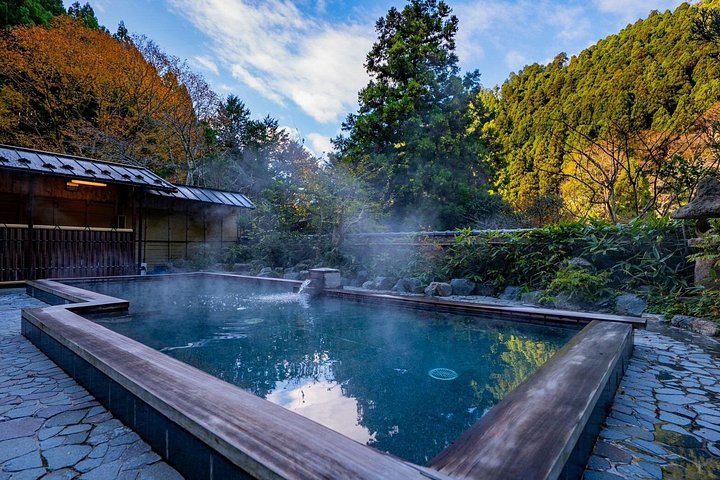
The Mt. Inunaki tour in Izumisano sits between a city complex and a full mountain trip, and it's the one I'd suggest to hikers. A guide leads you on a forest walk to the waterfalls of Mt. Inunaki. The day ends with a soak at a riverside hot spring bathhouse south of Osaka.
Leave this one alone if you want the bath without the walk.
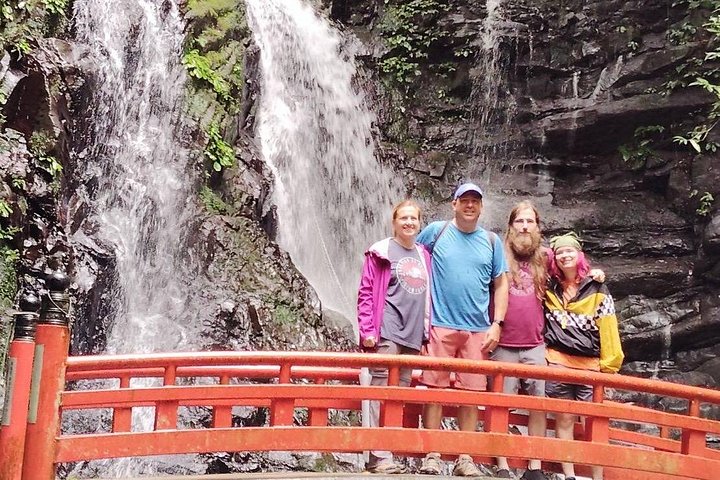
Mt. Inunaki Trekking and Hot Springs in Izumisano, Osaka
From $139.69 · Price checked: Sep 2026
Best for: Travelers who want a forest hike paired with a hot spring soak
Not for: Travelers looking for an urban day-use spa
Guided forest walk to the waterfalls of Mt. Inunaki with a soak at a riverside hot spring bathhouse south of Osaka.
Check availabilityExternal booking on Viator · pricing and cancellations handled by Viator
What Surprised Me About Osaka
What surprised me about Osaka is how easy it is to get started. A themed complex that never closes takes away the two things that stop first-timers: awkward timing and nerves.
Don't confuse a complex with a sento, though. The word sento means public bathhouse, and a sento visit is a different kind of outing from a themed complex. Our sento vs onsen comparison explains the difference before you pick one.
The strangest bath of my life was a sand bath in Beppu on a summer afternoon. I felt the hot volcanic sand press down on me shovel by shovel until only my face was free. Steam drifted up off the black grains beside my head. Being buried alive and feeling oddly comfortable about it taught me something: a format that feels claustrophobic at first can turn out to be deeply relaxing.
Wherever you go, leave your phone in the locker. Most onsen prohibit photography inside bathing areas.
Planning the visit well
Getting Osaka right comes down to three checks: tattoos, what you bring, and when you go. Many larger commercial complexes and day-trip venues are tattoo-friendly. Tattoo policies vary by establishment; always confirm before visiting.
I learned this at a sento in Shinjuku on a weekday evening. The attendant gave me one sharp glance and I knew before a word was said. Being turned away left me cold in a way the evening air had not. The second sento a few streets over welcomed me in without comment, and the relief was almost physical. The JNTO onsen etiquette and rules page covers tattoo questions and bathing rules.
Bring coins for the lockers at the entrance, and pack your own tenugui, the small cotton towel. You use the tenugui for washing, not to cover up; everyone is naked. For crowds, I'd go on a weekday afternoon, or get to the rotemburo early in the morning or late in the afternoon. Don't bathe after heavy drinking, because it raises the risk of fainting. If you feel dizzy or sick, get out right away and cool down.
If you'd like to see Kansai and bathe on the same day, three sightseeing trips leave from Osaka. The Nara Deer Park tour combines Nara's deer park, Uji matcha and a hot spring visit in one loop, which suits travellers who want a bath built into a sightseeing day. The Wakayama tour is the fun one: you ride the cat-themed Wakayama train, stop at a seafood market and finish at a hot spring. The Kyoto & Nara day trip is a coach tour of highlights in both cities with optional lunch. Its description doesn't mention a bath, so skip it if bathing is why you're booking.
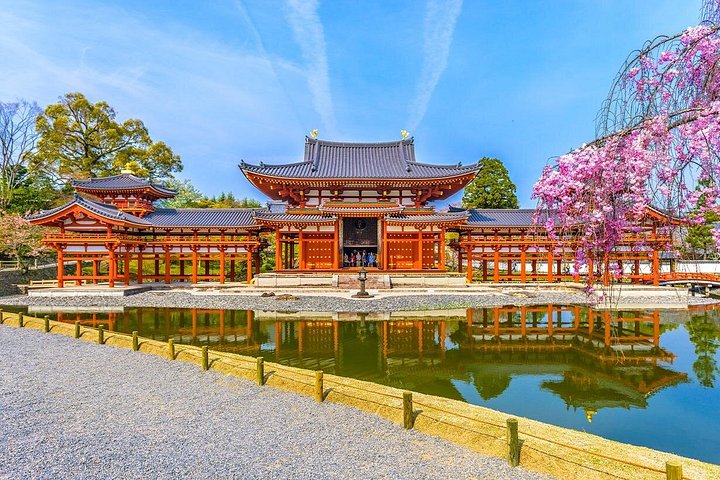
Nara Deer Park, Uji Matcha, & Hot Spring Full-Day Tour from Osaka
From $57.15 · Price checked: Sep 2026
Best for: Travelers who want a bathing stop inside a sightseeing day
Not for: Travelers seeking a purely onsen-focused day
Full-day loop from Osaka or Kyoto pairing Nara's deer park, Uji matcha and a hot spring visit.
Check availabilityExternal booking on Viator · pricing and cancellations handled by Viator
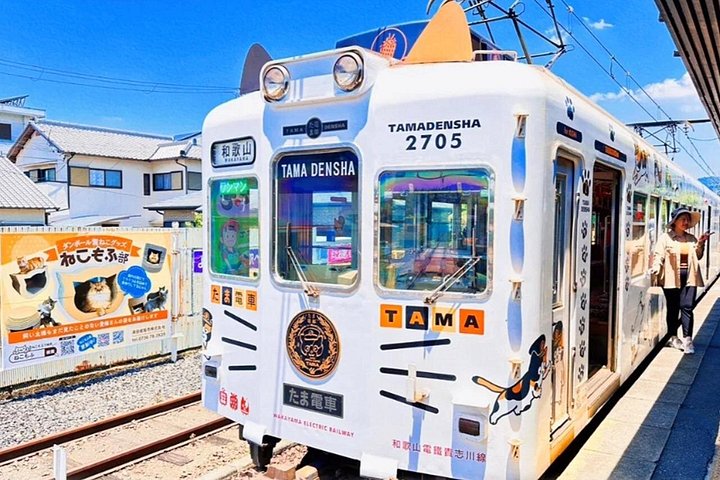
Osaka Wakayama Cat Train, Seafood market, Hot Springs Tour
From $82.54 · Price checked: Sep 2026
Best for: Novelty day trips from Osaka with a bathing stop
Not for: Travelers wanting a calm, quiet day
Day out of Osaka riding the cat-themed Wakayama train with a seafood market stop and hot spring visit.
Check availabilityExternal booking on Viator · pricing and cancellations handled by Viator
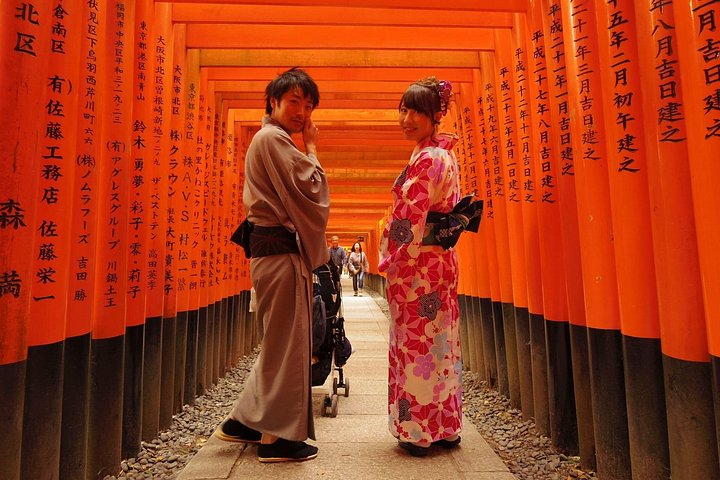
Kyoto & Nara Day Trip with Optional Lunch from Osaka or Kyoto
From $48.80 · Price checked: Aug 2026
Best for: Osaka-based day trips into classic Kansai
Not for: Travelers wanting a private pace
Coach day trip from Osaka through Kyoto and Nara highlights, lunch optional.
Check availabilityExternal booking on Viator · pricing and cancellations handled by Viator
Before you visit
Before you book any Osaka bath, check three things: the tattoo policy, whether you're comfortable bathing naked in a shared space, and the washing routine. Bathing in Japan is always naked, so leave your swimwear in your bag. If that's a dealbreaker, a shared complex isn't for you. Book a ryokan with a private bath (kashikiri buro) instead, and reserve the bath when you reserve the room.
Read the entrance curtains carefully, too. On my first visit to a rural onsen near Beppu, the curtain colors were hard to read in the dim light and I picked the wrong one. I felt a jolt of panic the moment I stepped through. The attendant redirected me patiently, as though she did this every day. Check the curtain color twice: blue for men, red for women.
Here is what to check before your first soak:
- Wash at the washing station before you get in the bath, since that's what the stations are for.
- Take the shower head out of the bucket and sit on the stool, because spraying your neighbours will get you stared at.
- Keep the small towel out of the water, either on your head or at the edge of the bath.
- Keep your head above water, because some onsen ban dunking for hygiene reasons.
- Don't stay in too long in one go; get out, cool down, and then go back in.
- Carry cash if your day trip goes to a rural bath, because not every one takes cards.
For more on etiquette, see our onsen etiquette guide. If you're adding a ryokan night somewhere else in Kansai, Japan Onsen: Official Cultural Tourism Site covers onsen types and how to choose a ryokan.
Explore More
Related comparisons and guides:
Frequently Asked Questions
Is Spa World in Osaka a traditional onsen?
Spa World is a themed commercial bath complex rather than part of a traditional onsen town.
Can I visit an Osaka onsen with tattoos?
That depends on each venue, so contact the one you plan to visit. Cover bandages from home give you a fallback, but a venue can still say no.
Can I take photos inside Osaka bath complexes?
Not in the bathing areas.
When is the quietest time to bathe?
Weekday afternoons from Tuesday to Thursday are the quiet window to aim for.
Should I base myself in Osaka or Kyoto for onsen?
Osaka suits late-night convenience and day trips south to Izumisano or Wakayama. Kyoto puts you closer to where the Kurama tour starts.
Written from Kyoto, Japan.