Summer Onsen Japan: Why Hot Springs Work in the Heat
We earn a commission when you book through our links on Viator (PID P00299531), at no extra cost to you. This is how we keep the site free. Learn more →
What shapes a visit to Japan
Summer onsen visits are less crowded but can be uncomfortably hot. That line sums up the trade-off, and I think it works in your favour if you plan around the heat: soak early or late, rest properly between baths, and spend the middle of the day somewhere green and shaded, not in a steaming outdoor pool.
When you go within summer makes a real difference. June is rainy season with fewer crowds. July and August are hot and humid. For the week you travel, check the forecasts from the Japan Meteorological Corporation before you plan a day around a rotemburo (an open-air bath).
Summer can't give you the autumn scene, and I know exactly what you give up. In October 2023 I checked into a ryokan (a traditional inn) in the afternoon, changed into the provided yukata, the light cotton robe guests wear, and walked straight out into the street. The entire town was in yukata, couples and families and groups of friends all shuffling between the seven public baths in wooden geta sandals. The clicking of geta on pavement became the town's soundtrack for me. The fifth bath was empty by the time I reached it, and the seventh, Satono-yu, had a rotemburo with steam drifting up into the autumn night sky.
That night set my idea of what an onsen town can be, and it's also why I'd warn you against chasing the same picture in August. Steam against a night sky needs cold air to show up. In summer, the pleasure moves to what happens around the bath: the rest afterwards, the cold drink, the shade, and not having to share a street with foliage-season crowds.
Green Season Snow Monkeys: Baby Monkeys & Scenic Forest Walk: what the itinerary covers
If the heat is putting your onsen plan at risk, this is the tour I'd point you to. The Green Season Snow Monkeys tour is built for travellers who come in spring, summer and autumn. The draw is the baby monkeys and a scenic forest walk, and a shaded forest trail suits a hot month far better than a midday soak.
Skip this tour if you're picturing monkeys in snow. Snow plus an outdoor rotemburo is the classic winter onsen experience, and Nagano is prime in winter. Our Nagano guide covers the region if you want to compare seasons before you commit.
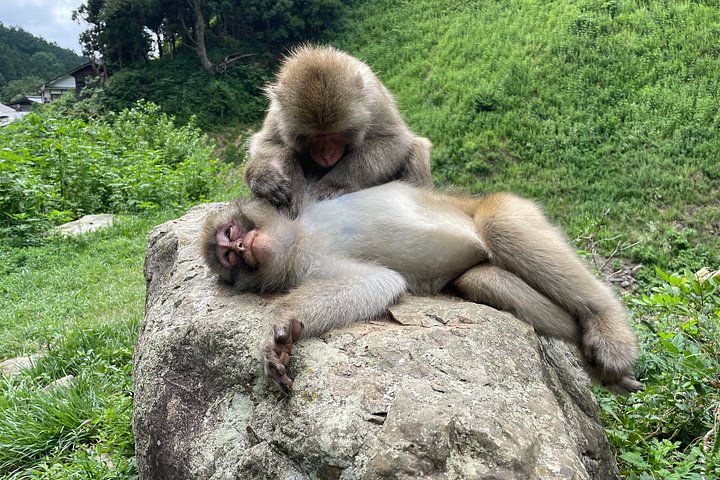
Green Season Snow Monkeys: Baby Monkeys & Scenic Forest Walk
From $87.64 · Price checked: Jul 2026
Best for: Non-winter travelers wanting the snow monkey experience
Not for: Visitors hoping to photograph monkeys bathing in snowy hot springs
Spring/summer/autumn snow monkey tour. Babies visible in May-July.
Check availabilityExternal booking on Viator · pricing and cancellations handled by Viator
Planning onsen in Japan
The moments I remember are the small ones around the bath more than the bath itself. Most onsen have a rest area with tatami mats and vending machines after bathing. In summer that rest area matters. Sit down, drink something cold and let your body cool off before you step back into the heat outside.
Food is part of it too. Onsen tamago (eggs slow-cooked in hot spring water) are a common snack. It first made sense to me in March 2023. Walking through Kannawa, I noticed steam rising from grates in the pavement every few dozen paces. A local man was lowering a metal basket of corn and eggs into one grate on a rope, and when he saw me watching he grinned and said, "Jigoku-mushi, hell steamed." I bought onsen tamago from a nearby shop and sat on a low wall eating eggs cooked by the same thermal heat that powers the entire city. There was no restaurant, no queue and no charge.
Those public steam vents (jigoku-mushi) work as free cooking stations along residential streets. You can bring eggs and vegetables from a supermarket and cook your own lunch.
Full Day Hiking Tour at Mt.Takao including Hot Spring: who this tour suits
Mt Takao is my pick for a summer day that ends with a well-earned bath. This guided climb finishes with a soak. Walk first and bathe after, and the hot water becomes a reward, not an ordeal. The trail is steep in sections, so the day suits walkers who want to climb the mountain on foot and stay within reach of central Tokyo.
The heat changes the plan. Drink water before and after bathing, because onsen can dehydrate you quickly, and a hiking day in July or August has already drained you before you reach the bath.
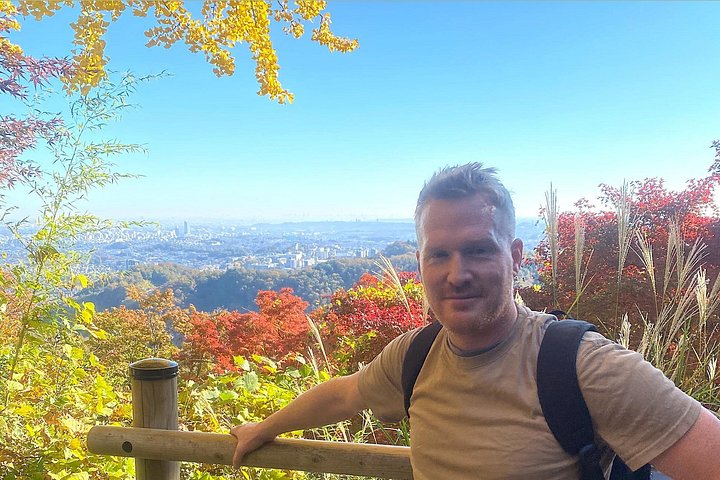
Full Day Hiking Tour at Mt.Takao including Hot Spring
From $129.64 · Price checked: Sep 2026
Best for: Hikers who want a proper trail day within reach of central Tokyo and a hot spring to finish
Not for: Travelers looking for a coach-based sightseeing day or an onsen-only itinerary
A guided Mt Takao climb that ends with a soak; the trail is steep in sections, so the day suits walkers who want the mountain on foot.
Check availabilityExternal booking on Viator · pricing and cancellations handled by Viator
What Surprised Me About Japan
What surprised me was that a tradition I had written off as a show for tourists turned out to be real, working practice. I learned that the hard way, and it changed how I treat any activity listed near an onsen: see it early in your stay, because you may not get a second chance on a short trip.
In February 2024 I was staying in an onsen town whose source water runs dangerously hot. The yumomi performance was listed in every guidebook, so I assumed it would be touristy and skipped it on my first day. On the second day I wandered in late. Women in traditional dress were singing a work song in the local dialect while churning scalding water with long wooden paddles. The room was a working hot spring hall, not a theatre, and steam filled the space so thickly my glasses fogged instantly. By the end the water was cool enough to touch, and I realised the old technique was not a performance at all. It was still plainly necessary.
Yumomi exists because that water is too hot to bathe in as it comes out of the ground. See it on your first evening, and arrive early for a seat near the front where the steam hits hardest.
Summer has its own version of this lesson. Summer festivals (matsuri) near onsen towns add cultural value. Look up regional events through the Japan National Tourism Organization (JNTO) before you fix your dates, and if you find one, treat it as a reason to stay the night.
Planning the visit well
Getting a summer soak right comes down to timing, water and checking the rules before you arrive. Weekdays are quieter than weekends at most onsen. If you combine a weekday with an early-morning or late-afternoon rotemburo visit, you avoid the crowds and also skip the hottest part of the day.
Carry cash and coins. Some rural onsen don't accept credit cards, and the coin lockers at onsen entrances need coins, so bring change.
Tattoos are where assumptions cause the most trouble. The JNTO onsen etiquette and rules page is the place to start on bathing rules and tattoo policies. After that, call ahead or check the specific facility's website, and don't assume.
For choosing a ryokan, the Japan Onsen: Official Cultural Tourism Site is useful for comparing onsen types and regions. Reserve any private bath (kashikiri buro) when you reserve the room, not at check-in.
If Hakone is on your shortlist, our Hakone guide is where to start planning.
Before you visit
I wish I had known how much of a good onsen visit gets decided before you even undress: which curtain, which rules, which day. These are the checks to make before booking and before bathing, starting with the mistake that still makes me wince.
On my first visit to a rural onsen, the entrance was dimly lit. The curtain colors were hard to read in the dim light and I picked the wrong one. I felt a jolt of panic the moment I stepped through. The attendant redirected me patiently, as though she did this every day. Double-check the curtain colour, blue for men and red for women, and when in doubt, ask.
Bathing rules deserve the same care, and the JNTO etiquette page covers what to expect. Leave the swimwear behind, and wash at the washing station before you get into the water. Keep the small towel out of the bath, on your head or beside you, and keep your head above the water, because some onsen prohibit dunking for hygiene reasons.
Before booking, check whether a smaller onsen closes one weekday for cleaning, because a Monday or Tuesday stay can land on the closed day.
In summer, the health warnings matter more. Keep each soak short, drink water before and after, and if you feel dizzy or nauseous, get out immediately and cool down. Then use the rest area, and don't rush out into a humid afternoon straight after your bath.
Explore More
Related comparisons and guides:
Frequently Asked Questions
Is summer a good time for onsen in Japan?
Summer suits travellers who care more about space than scenery, because the snow and foliage scenes belong to winter and autumn. Plan your baths for early and late in the day, and check the forecast before any outdoor soak.
Can you see the snow monkeys outside winter?
Yes, the Green Season Snow Monkeys tour is designed for spring, summer and autumn visitors. Treat it as a nature and wildlife day, and save any hope of snowy bathing scenes for a winter trip.
What should I drink after a summer soak?
Look for milk in glass bottles at the onsen vending machines, which is a long-standing post-bath tradition. Plain water still matters more on a hot day.
How should I wear a yukata at a ryokan?
Wear the yukata left side over right, because right over left is for funerals. In a town where guests walk between baths in yukata, wearing it to dinner and around town fits right in.
What souvenir should I bring home from an onsen town?
The classic souvenir from an onsen town is local onsen manju (steamed buns). Buy them near the end of your stay so they're fresh when you get home.
Written from Kyoto, Japan.