Nagano Onsen Guide: Snow Monkeys and Winter Rotemburo Baths
We earn a commission when you book through our links on Viator (PID P00299531), at no extra cost to you. This is how we keep the site free. Learn more →
What shapes a visit to Nagano
First you watch the wild snow monkeys at Jigokudani. Then you take your own soak in an outdoor rotemburo (open-air bath) while snow falls.
My first January visit to Jigokudani Monkey Park did not go the way I had pictured. The monkeys paid me no attention, which I had not expected. Steam curled off their red faces as they sat in the pool. I stood there watching wild animals enjoy the same bath culture I had travelled all this way for. I had brought a camera and a list of shots I wanted, and none of that mattered to them. They were busy being warm.
Their history explains why they are so calm. Nagano's Jigokudani snow monkeys have been bathing in the onsen since 1963 when a local innkeeper built the first pool, and they now draw 100,000+ visitors annually.
You do not bathe with the monkeys. For wider trip planning across the region, the Japan National Tourism Organization (JNTO) covers transport and regional basics, and I keep that open next to my own notes.
Snow Monkey Park, Soba Lunch and Shibu Onsen Tour: what the itinerary covers
You get the wild snow monkeys in their outdoor onsen, a soba lunch, and a visit to Shibu Onsen, a traditional onsen town.
I would pick this for nature lovers and photographers who also want to see how an onsen town works, with its bathhouses and its slower evening pace.
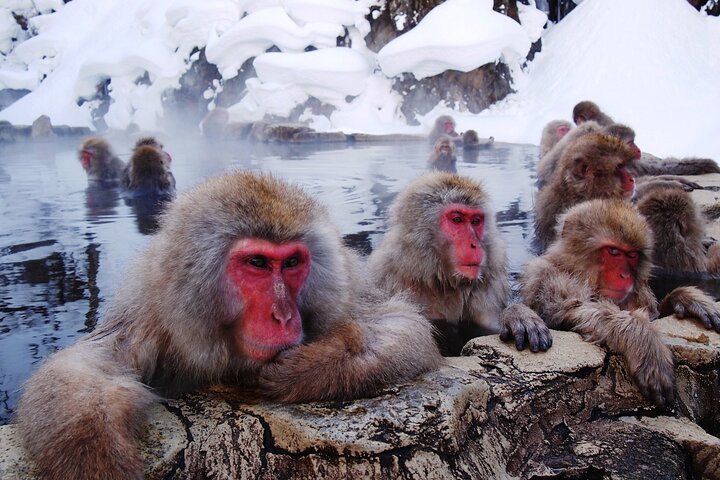
Snow Monkey Park, Soba Lunch and Shibu Onsen Tour
From $94.57 · Price checked: Jul 2026
Best for: Nature lovers and photographers
Not for: Travelers based far from Nagano or wanting a long onsen stay
Wild snow monkeys bathing in outdoor onsen combined with traditional Shibu Onsen visit. Pickup available.
Check availabilityExternal booking on Viator · pricing and cancellations handled by Viator
Planning snow country winter bathing in Nagano
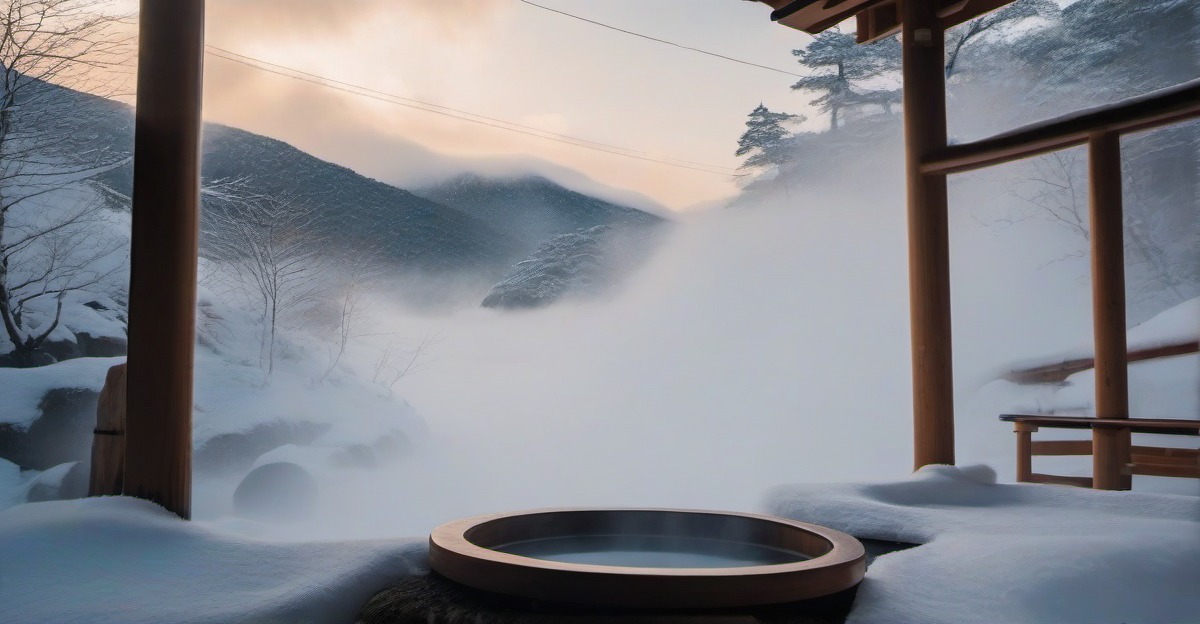
Winter rotemburo with snow falling is considered the peak onsen experience. Outdoor rotemburo in winter requires cold tolerance: air can be below 0 while water is 42.
One February in Nagano, with snow falling, I found out what that contrast feels like. I stepped out into air so cold that steam rolled off my shoulders the moment I left the water. Snowflakes landed on my neck and melted before I could properly feel them. Monkeys watched me from the rocks above the pool without much interest. That was a separate bath from the monkeys' pool, and they were only spectators. I left convinced that winter rotemburo is worth the cold.
Before you commit to dates, check snow and temperature forecasts with the Japan Meteorological Corporation. The walk between the indoor bath and the outdoor one is the part people underestimate. A local tip I pass on to everyone: bring a warm hat for that walk in winter.
If you want more on how the season shapes a trip, I cover it in my winter onsen guide and my collection of winter onsen experiences.
Explore Jigokudani Snow Monkey Park with a Local Guide: who this tour suits
This is the tightly focused option: a guided walk to the snow monkeys with a local guide, and nothing extra added on.
The local advice I trust is to book a morning entry, because the monkeys stay in the water longer on cold mornings.
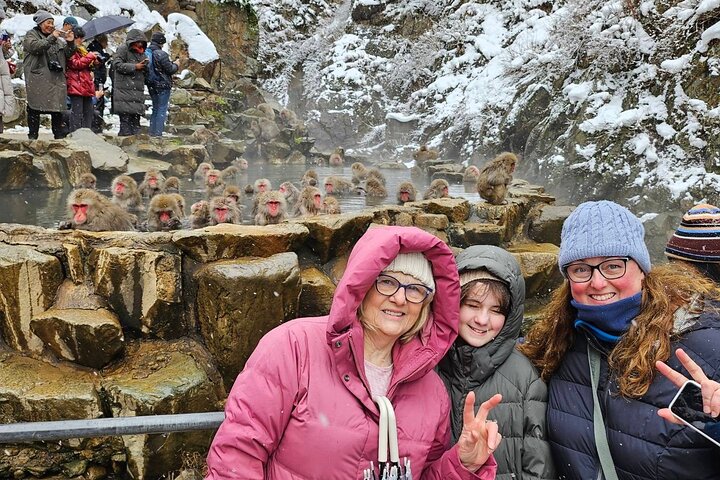
Explore Jigokudani Snow Monkey Park with a Local Guide
From $107.18 · Price checked: Jul 2026
Best for: Travelers with limited time who want a focused monkey park visit
Not for: Travelers with limited mobility, since reaching the park involves forest walking
Half-day guided walk to the snow monkeys. Short on time, focused on the monkey park.
Check availabilityExternal booking on Viator · pricing and cancellations handled by Viator
What Surprised Me About Nagano
What surprised me most was not the monkeys. It was learning that a ryokan's written tattoo policy and its real policy can be two different things.
In January 2023 I was booked into a small ryokan in rural Nagano. I sent a polite email in basic Japanese explaining that I had a small tattoo and asking whether I could use the bath. The reply came back within the hour: no problem, please use it later in the evening when there are fewer guests. They did not even charge me extra. Since then I treat a website policy as the place to start asking, not the final answer.
Don't assume every onsen accepts tattoos, because many traditional ryokan do not, and don't assume a strict website means a closed door either. Call ahead or check the website, then write. The JNTO guide to onsen etiquette and rules explains tattoo policies and bathing rules in plain English, which helps when you write your own message. My yes came with a condition, and the condition was later in the evening.
The water itself was another surprise. Onsen with 'milky' water are high in sulfur content, and that cloudy look and smell tell you what is in the spring. The Japan Onsen official cultural tourism site explains spring types by region if you want to choose a ryokan by its water.
Planning the visit well
You must wash thoroughly before entering any onsen bath. Weekdays are quieter than weekends at most onsen. Bathe early in the morning or later in the afternoon to avoid the busiest stretch, and bring cash and coins, since rural baths may not take cards.
Bathing is naked, with no swimwear. The small towel, or tenugui, is for washing and not for modesty. Keep it out of the water, on your head or on the edge. Some onsen don't allow you to put your head under the water, so keep your head above it. Photos inside the bathing area are prohibited at many onsen, so leave the camera in the locker. My onsen etiquette guide covers each step in order.
Drink water before and after bathing, keep each soak short, and get out and cool down straight away if you feel dizzy or nauseous. Avoid the onsen after heavy drinking. At a ryokan, wear your yukata left side over right, because right over left is for funerals. Don't book the earliest kaiseki dinner slot (kaiseki is the multi-course ryokan meal) if you want an unhurried bath first.
Two day tours from Tokyo suit people who want the snow monkeys without planning the logistics themselves. The Snow Monkeys, Zenko-ji Temple and Sake tour covers the headline sights for first-time visitors: the monkeys, the temple, and a sake tasting.
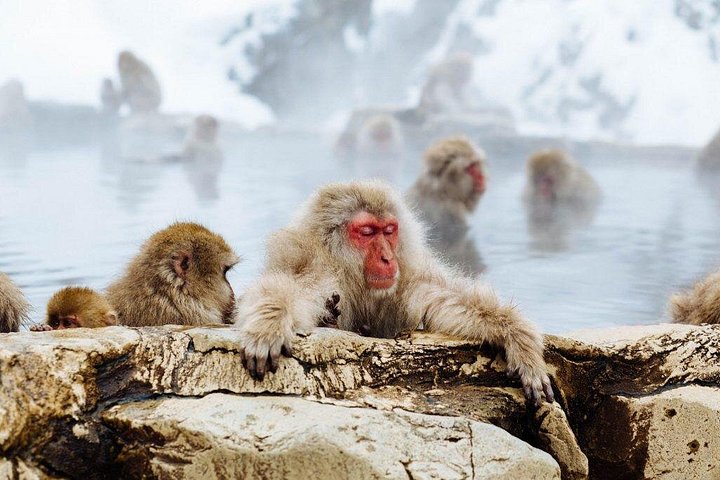
1-Day Snow Monkeys, Zenko-ji Temple & Sake in Nagano
From $144.38 · Price checked: Jul 2026
Best for: First-time visitors to Nagano wanting the headline attractions
Not for: Families with young kids or travelers who avoid alcohol tastings
Most popular Nagano day tour from Tokyo. Snow monkeys, temple, and sake tasting.
Check availabilityExternal booking on Viator · pricing and cancellations handled by Viator
The Snow Monkeys and Snow Fun in Shiga Kogen tour swaps the temple for a winter activity stop in the Shiga Kogen ski resort area. It suits winter travelers who want the monkeys and time playing in the snow in one day.
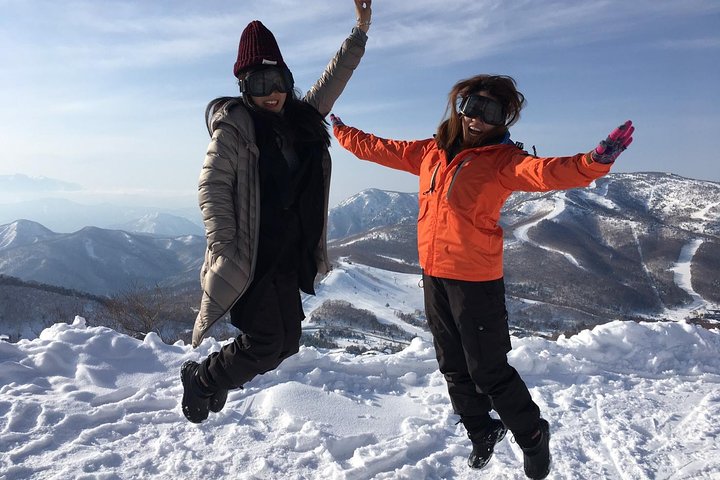
1-Day Snow Monkeys & Snow Fun in Shiga Kogen Tour
From $176.54 · Price checked: Jul 2026
Best for: Winter travelers wanting snow monkeys + snow activities
Not for: Adults wanting a calm cultural day rather than snow play with kids
Snow monkeys plus a winter activity stop in Shiga Kogen ski resort area.
Check availabilityExternal booking on Viator · pricing and cancellations handled by Viator
Before you visit
Pick one onsen town and do it properly.
Winter, from December to February, is prime time for Nagano. Snow plus an outdoor rotemburo is the classic onsen scene, and it is why I keep coming back in the cold months. New Year is a peak travel window, so book early if your dates fall around it. My onsen guide by season sets out what each part of the year offers.
These are the checks I would run before paying for anything:
- Ask whether the ryokan's rotemburo is private or shared, and reserve a private kashikiri bath when you reserve the room, not at check-in.
- If you are booking a Monday or Tuesday stay, check whether a smaller onsen closes one weekday for cleaning.
- Pack your own tenugui, because the small towel you use in the bath is not always included with rental towels.
- Bring cash for rural baths and coins for the lockers.
- Stop trying to fit three onsen towns into one day. Pick one and give it time.
The Green Season Snow Monkeys tour runs in spring, summer and autumn and adds a scenic forest walk, with baby monkeys visible in season.
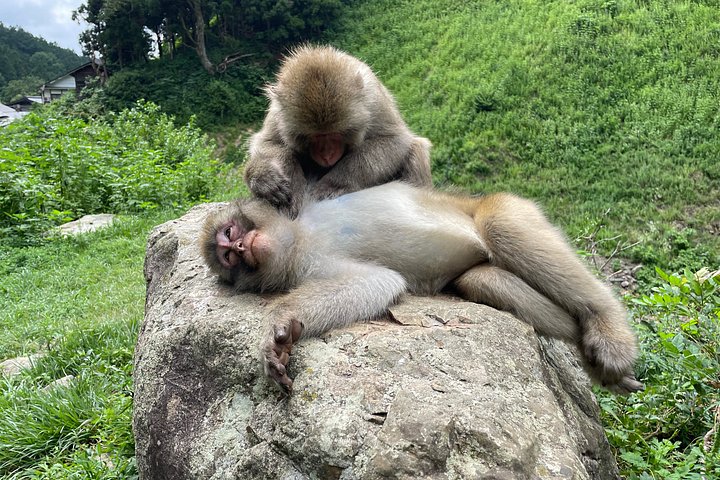
Green Season Snow Monkeys: Baby Monkeys & Scenic Forest Walk
From $87.64 · Price checked: Jul 2026
Best for: Non-winter travelers wanting the snow monkey experience
Not for: Visitors hoping to photograph monkeys bathing in snowy hot springs
Spring/summer/autumn snow monkey tour. Babies visible in May-July.
Check availabilityExternal booking on Viator · pricing and cancellations handled by Viator
For other regions to pair with Nagano, browse my onsen destinations.
Explore More
Related comparisons and guides:
Frequently Asked Questions
Can visitors bathe in the snow monkey pool at Jigokudani?
No, the pool belongs to the wild monkeys and you are there only to watch. For your own soak, go to a ryokan or public bath in a nearby onsen town such as Shibu Onsen.
Is Nagano worth visiting for onsen outside winter?
Yes, if the monkeys are your main reason, since green-season tours run in spring, summer and autumn. You will miss the contrast of snowfall on a hot outdoor bath, which is specific to the cold months.
How cold does winter rotemburo bathing in Nagano feel?
Air can be below 0 while water is 42. That makes the short walk between the indoor and outdoor baths the hardest part, so pack a warm hat.
Can I use a Nagano ryokan onsen with a tattoo?
Policies differ from inn to inn, so contact the ryokan before booking and don't rely only on its website. Small family-run inns may agree to a polite request, sometimes with a condition such as bathing at a quieter hour.
Which Nagano snow monkey tour suits a first-time visitor?
The Zenko-ji Temple and sake day tour from Tokyo covers the headline sights in one outing. If you want a bath town included, the Shibu Onsen tour adds that and has pickup available.
Written from Kyoto, Japan.