Onsen by Season Japan Guide: Spring Crowds, Summer Heat, Autumn Foliage and Winter Snow
We earn a commission when you book through our links on Viator (PID P00299531), at no extra cost to you. This is how we keep the site free. Learn more →
What shapes a visit to Japan
Picking an onsen season in Japan comes down to one trade: crowds against weather. Golden Week (late April-early May) is the busiest period for onsen towns. Summer thins the crowds and turns up the heat. Winter brings snow and real cold.
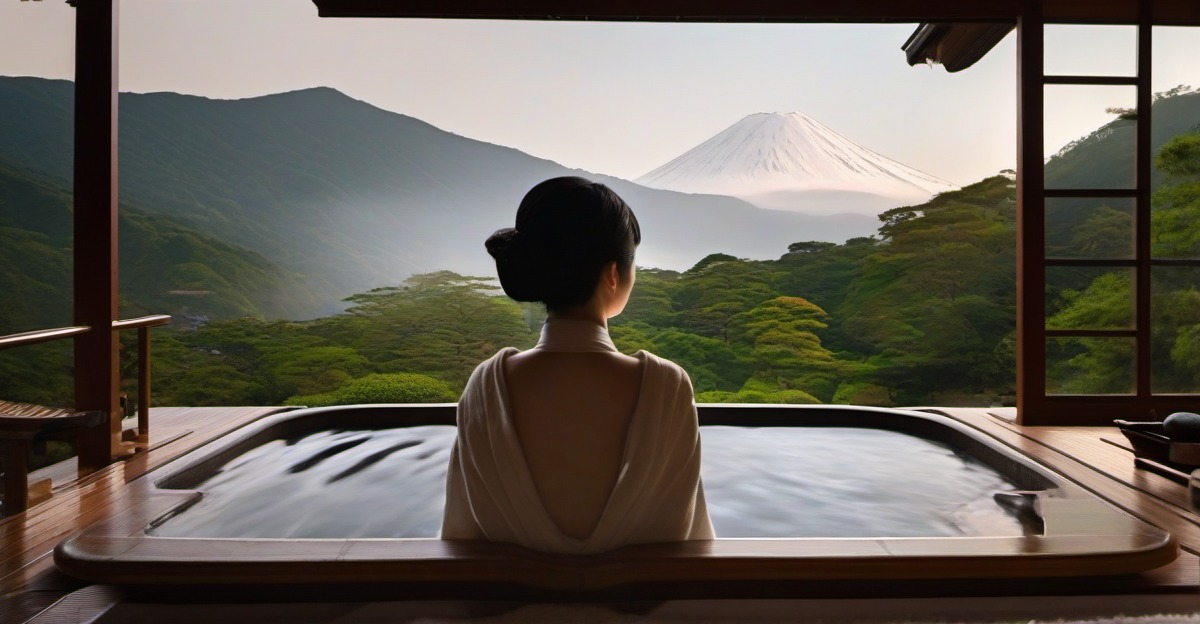
Spring is cherry blossom season, and an outdoor rotemburo (an open-air bath) under the blossoms is the scene people picture. Onsen towns get busy in spring, so reserve your ryokan, the traditional inn where dinner and bathing come with the room, well ahead.
Weekdays are quieter than weekends at most onsen. That one sentence changed how I plan, and a weekday morning in Arashiyama, on Kyoto's western edge, showed me why. I watched mist lift off the river while the water held me still. Through the fence around the outdoor bath I could see the bamboo forest catching the early light. A temple bell sounded somewhere in the distance and nobody else made a sound.
I took one lesson from that morning. The Kyoto baths worth crossing the city for sit outside the centre, in Arashiyama and Kurama. JNTO's Japan travel planning site lays out the regions and transport options, which helps when you are matching a season to a town.
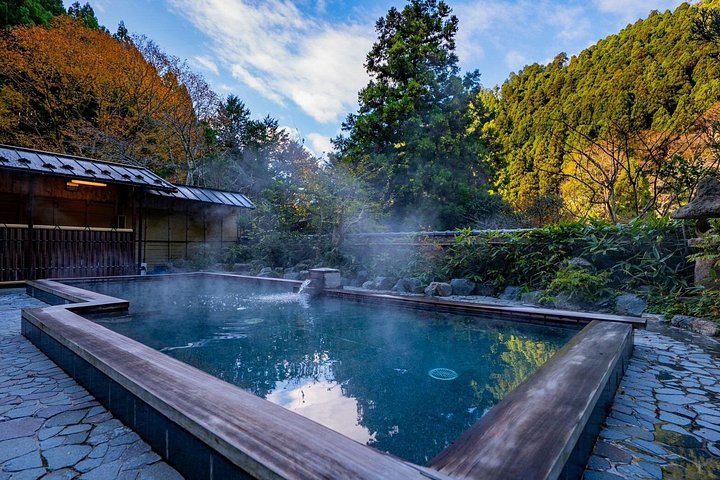
Kurama Onsen Guided Tour: Cultural Bathing Experience & Meal
From $69.35 · Price checked: Jul 2026
Best for: Kyoto visitors wanting a real onsen without going to Hakone
Not for: Travelers wanting a big resort onsen town or a ryokan overnight
Kurama Onsen day trip from Kyoto. Mountain temple + onsen in one day.
Check availabilityExternal booking on Viator · pricing and cancellations handled by Viator
Hakone Full-Day Private Tour: what the itinerary covers
When a Hakone trip lands in a crowded season, I would book a private, fully arranged bathing day to rescue it. The product covers the full Japanese bathing ritual: an outdoor rotemburo, a multi-course kaiseki dinner (the seasonal, many-small-dishes meal ryokan are known for) and sleeping on tatami. A private outdoor bath is also an option, and that matters if shared bathing makes you nervous or you're marking a special occasion.
Skip this format if you want to wander public baths alone and on your own schedule. My Hakone seasons breakdown covers how the town changes through the year if you are still choosing dates.
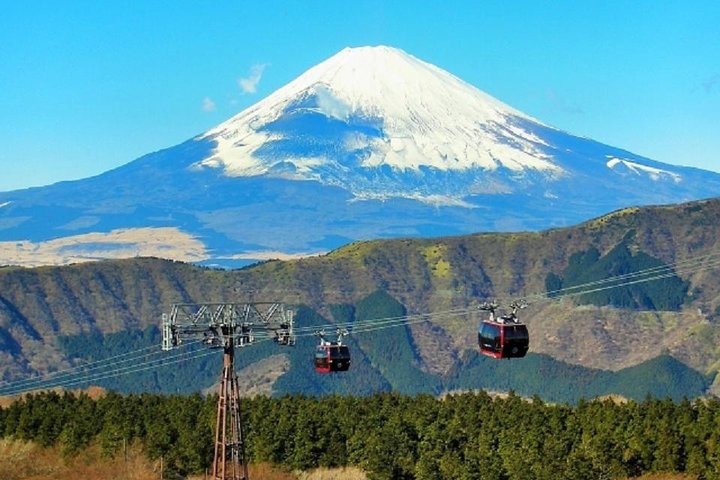
Hakone Full-Day Private Tour
From $253.66 · Price checked: Aug 2026
Best for: Overnight stays and special occasions
Not for: Day trippers who cannot spare a night or prefer Western style hotels
Full Japanese bathing ritual; outdoor rotemburo, multi-course kaiseki dinner, tatami sleeping. Private outdoor bath option.
Check availabilityExternal booking on Viator · pricing and cancellations handled by Viator
Planning seasonal onsen planning in Japan
Autumn and winter produce the scenes people cross the country for, and both need early booking. Autumn (October-November) is peak season for foliage views from baths. Winter rotemburo with snow falling is considered the peak onsen experience.
My own autumn memory comes from a small town built around seven public baths, in October 2023. I checked into the ryokan in the afternoon, changed into the provided yukata, and walked straight out into the street. Couples, families and groups of friends were all in yukata, shuffling between baths in wooden geta, and the clicking of geta on pavement became the soundtrack of my evening. The fifth bath was empty by the time I reached it, and the seventh, Satono-yu, had a rotemburo with steam drifting up into the autumn night sky.
If you're wearing a yukata, put the left side over the right. Right over left is how the dead are dressed for funerals. My autumn foliage onsen guide goes deeper on timing.
Winter runs December through February, and Nagano is the prime region for snow. Nagano's Jigokudani Monkey Park features wild snow monkeys bathing in outdoor onsen. Outdoor rotemburo in winter requires cold tolerance. In a winter rotemburo, air can be below 0 while water is 42.
Before committing to snow dates, check the Japan Meteorological Corporation for snow forecasts and seasonal conditions. New Year is a peak travel window, so plan around it if you can. My winter onsen guide covers the cold-weather side in more detail.
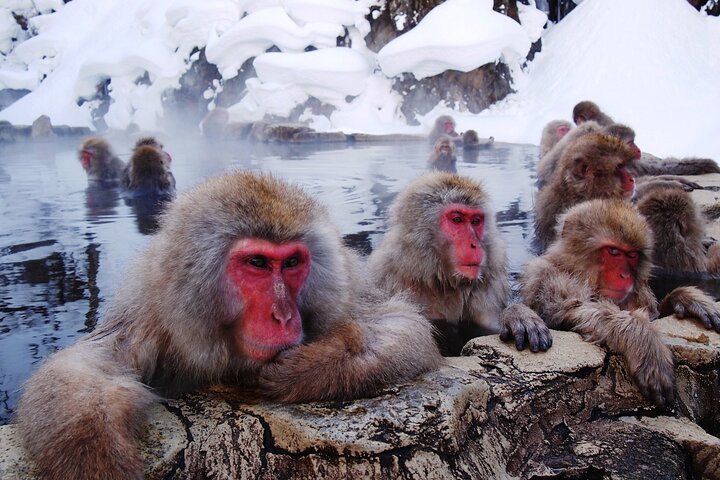
Snow Monkey Park, Soba Lunch and Shibu Onsen Tour
From $94.57 · Price checked: Jul 2026
Best for: Nature lovers and photographers
Not for: Travelers based far from Nagano or wanting a long onsen stay
Wild snow monkeys bathing in outdoor onsen combined with traditional Shibu Onsen visit. Pickup available.
Check availabilityExternal booking on Viator · pricing and cancellations handled by Viator
Private Tour to Mt. Fuji and Hakone (Fully Licensed Operator): who this tour suits
For first-timers based in Tokyo, this is the most accessible Hakone onsen format, because it covers the major highlights without an overnight stay. If the bath itself is the point of your trip, book the overnight format above instead.
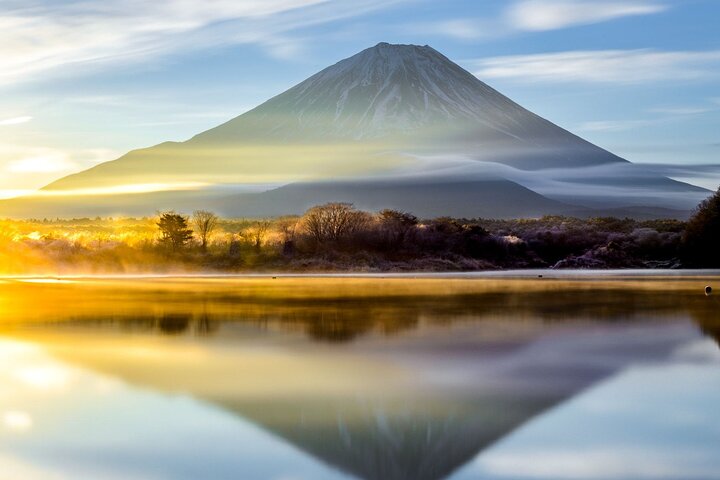
Private Tour to Mt. Fuji and Hakone (Fully Licensed Operator)
From $448.65 · Price checked: Aug 2026
Best for: First-timers and Tokyo day-trippers
Not for: Travelers who like building their own Hakone route at a slower pace
The most accessible Hakone onsen for Tokyo-based visitors. Covers major highlights without overnight stay. Mount Fuji views depend on weather.
Check availabilityExternal booking on Viator · pricing and cancellations handled by Viator
What Surprised Me About Japan
Beppu changed my idea of what an onsen town can be: steam vents in the pavement, bathing woven into the streets, and a climate that stays warmer year-round than the snow country.
In the Kannawa district in March 2022, a local woman handed me a wire basket with two eggs and a sweet potato in it. She pointed at a steam vent in the pavement, hissing at boiling heat. I lowered the basket in, waited a few minutes, and pulled out perfectly cooked onsen tamago, though the sweet potato took far longer. She charged me a few coins and told me the vent has been used this way since the Edo period.
My first visit to a rural onsen near Beppu went wrong at the door. The curtain colors were hard to read in the dim light and I picked the wrong one. I felt a jolt of panic the moment I stepped through, and the attendant redirected me patiently, as though she did this every day. Blue is for men and red is for women, but lighting and signage vary between baths, so ask when in doubt.
Summer surprised me in a different way. Summer onsen visits are less crowded but can be uncomfortably hot. July and August are hot and humid, though summer matsuri (local festivals) near onsen towns add a cultural reason to go. Drink water before and after bathing, and get out and cool down the moment you feel dizzy or nauseous. I've set out the heat trade-offs in my summer onsen guide and a separate summer onsen strategy.
For Beppu's hells, the steaming pools you look at but never bathe in, the private tour below lets you set your own pace without the group bus crowds.
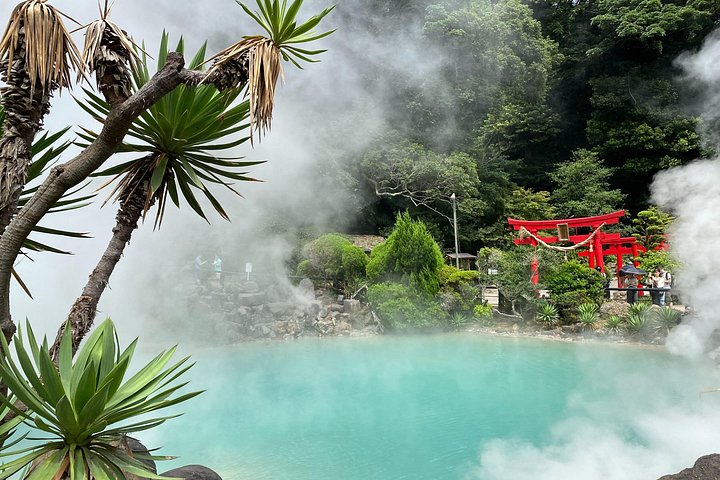
Beppu 7 Hells Private Tour
From $142.50 · Price checked: Aug 2026
Best for: Travelers wanting the full hells experience without group bus crowds
Not for: Travelers who want to soak rather than just view the hells
Private guided tour of seven of Beppu's eight hells. No crowds, set your pace.
Check availabilityExternal booking on Viator · pricing and cancellations handled by Viator
Planning the visit well
Head for the rotemburo early in the morning or later in the afternoon to avoid peak crowds, and book midweek.
JNTO's onsen etiquette and rules page covers washing, towels and tattoo policies, and it's worth reading before your first bath. Bathing is naked, so leave the swimwear behind. Wash at the stations before you get into the water. Your small tenugui towel is for washing, not for modesty. Keep it out of the water, on your head or at the edge.
If you have tattoos, call ahead or check the website, and don't assume anything. The Japan Onsen cultural tourism site sorts onsen by type and region, which is useful when you're shortlisting a ryokan.
If you want a private bath (kashikiri buro), reserve it when you book the room, not at check-in, because weekends fill up. If you drank heavily at dinner, skip the late bath, because alcohol raises the risk of fainting.
Before you visit
Pick one onsen town per trip day, confirm whether the rotemburo is private or shared, and check weekday closures and tattoo rules before paying a deposit. My wrong-curtain moment near Beppu taught me that the small checks save the most stress.
What to Check Before Booking
- Don't arrive in Hakone on a Saturday morning in Golden Week without a reservation.
- Pick one onsen town and do it properly. Three in one day turns bathing into commuting.
- Ask whether the ryokan's rotemburo is private or shared before you book.
- Check that your onsen isn't closed for cleaning on the weekday you plan to arrive.
- Bring cash. Some rural onsen don't take credit cards, and coin lockers need change.
- Take your shoes off before stepping on tatami, and never take photos in the bathing area.
- Pack your own tenugui, because rentals don't always include the small towel.
Book a June trip when crowds matter more to you than sunshine. June is rainy season, and the rain keeps the crowds down.
Explore More
Related comparisons and guides:
Frequently Asked Questions
Is Beppu worth visiting for onsen in winter?
February works well in Beppu, because the winter crowds have thinned and the rotemburo feels better in cold air.
What is the hardest part of a winter rotemburo?
The walk between the indoor and outdoor baths is where you feel the cold. A warm hat for that short crossing makes the whole visit more comfortable.
When should I visit Jigokudani to see the snow monkeys in the water?
Book a morning entry, because the monkeys stay in the water longest on cold mornings.
Can I do Kurama Onsen as a day trip from Kyoto?
Yes, Kurama works as a day trip from Kyoto, and a guided tour pairs the mountain temple with the bath.
What should tattooed travellers pack for an onsen trip?
Bring waterproof tattoo cover bandages from home, because Japanese pharmacies sell them in a limited range of sizes.
Written from Kyoto, Japan.