Winter Onsen Japan: Snow Baths, Rotemburo and Planning Tips for Nagano and Kusatsu
We earn a commission when you book through our links on Viator (PID P00299531), at no extra cost to you. This is how we keep the site free. Learn more →
What shapes a visit to Japan
A winter onsen trip in Japan rewards preparation more than luck. Nagano is the prime region for snow and outdoor rotemburo, and the Jigokudani snow monkeys make an easy anchor for a trip.
My clearest winter bath memory is from Nagano in February, with snow falling. I stepped out into air so cold that steam rolled off my shoulders the moment I left the water. Snowflakes landed on my neck and melted before I could properly feel them. Monkeys watched me from the rocks above the pool without much interest.
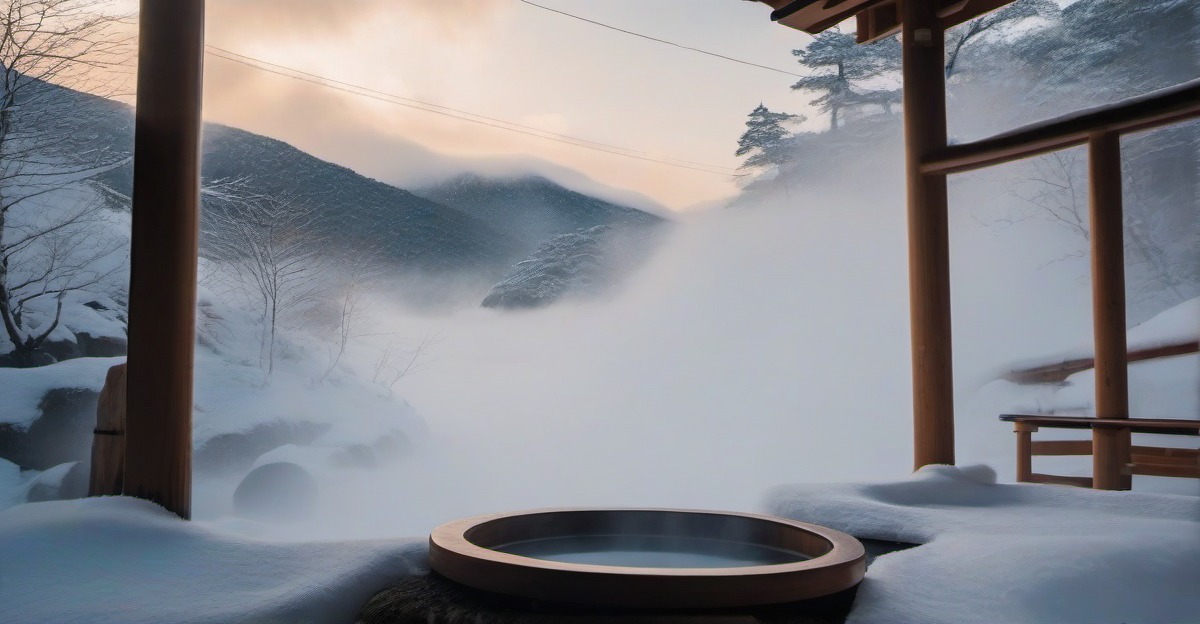
Winter rotemburo with snow falling is considered the peak onsen experience. On paper the gap looks extreme too: air can be below 0 while water is 42. Outdoor rotemburo in winter requires cold tolerance.
Before you lock in dates, check the snow forecasts from the Japan Meteorological Corporation, and treat falling snow as a bonus, not a promise. Our Nagano guide covers the region in more depth.
If the idea of a short, cold dash between the indoor and outdoor baths sounds miserable, a Nagano winter will wear you down. Look at our season-by-season onsen guide for a milder window.
Snow Monkey Park, Soba Lunch and Shibu Onsen Tour: what the itinerary covers
If a first-time winter visitor asked me for a single day that covers the essentials, I would point them to this format. It pairs the wild snow monkeys bathing in their outdoor onsen with a visit to Shibu Onsen, a traditional hot-spring town, and adds a soba lunch. Pickup is available.
Planning winter onsen in Japan
The moments worth planning around are quiet ones: snow monkeys in steaming water, a bath before anyone else arrives, the stillness of a rotemburo in cold air. Go to outdoor baths early in the morning or later in the afternoon, and book a morning entry for the monkeys, when cold keeps them in the water longest.
Nagano's Jigokudani snow monkeys have been bathing in the onsen since 1963 when a local innkeeper built the first pool, and they now draw 100,000+ visitors annually.
My quietest bath memory has no snow in it at all. On a weekday morning at an Arashiyama onsen in Kyoto, I watched mist lift off the river while the water held me still. Through the fence around the outdoor bath I could see the bamboo forest catching the early light. A temple bell sounded somewhere in the distance and nobody else made a sound.
Explore Jigokudani Snow Monkey Park with a Local Guide: who this tour suits
This guided walk is for travelers who are short on time and want the monkey park and nothing else. I would pair it with an evening at a ryokan nearby, where the bathing is up to you and nobody is watching the clock.
What Surprised Me About Japan
What surprised me most was how much the water itself changes from one town to the next, and how much ritual has grown up around it.
Start with color. Onsen with 'milky' water are high in sulfur content. If that cloudy bath is what you picture, our guide to milky-water baths is the place to start. For comparing onsen types and regions before you commit, the Japan Onsen: Official Cultural Tourism Site sets out the categories clearly.
Kusatsu's yumomi performance, the traditional water-cooling ceremony using large wooden paddles, is a 400-year-old practice originally developed because the source water was too hot to bathe in directly. Don't treat Kusatsu as a same-day hop. Day-trippers leave on the last bus in the evening, the bath scene shifts to ryokan guests, and you can walk the lit-up Yubatake at night with almost nobody around. Our Kusatsu guide goes into the town properly.
Beppu, which is warmer year-round, surprised me in a different way. It was March 2023, in the Kannawa district. Walking through Kannawa, I noticed steam rising from grates in the pavement every few dozen paces. A local man was lowering a metal basket of corn and eggs into one grate on a rope, and when he saw me watching he grinned and told me the name: jigoku-mushi, hell steamed. I bought onsen tamago, eggs slow-cooked in hot-spring heat, from a nearby shop and sat on a low wall eating eggs cooked by the same thermal heat that powers the entire city. No restaurant, no queue, no charge: Beppu doing what Beppu does.
Planning the visit well
Pack a warm hat for the walk between the indoor and outdoor baths, drink water before and after bathing, carry cash and coins, and learn the washing routine before your first visit. The JNTO onsen etiquette and rules page sets out the bathing rules plainly.
Bathing is done naked, so leave your swimwear at home. Wash at the washing stations before you get in. The small towel, called a tenugui, is for washing, not for covering up. Keep it out of the water, folded on your head or next to the bath. Some onsen ban putting your head under the water for hygiene reasons, so keep your face above the surface.
Onsen water temperatures range from 38-42. Cold air can hide how hard your body is working, so keep your soaks short and take breaks. Avoid bathing after heavy drinking, because it raises the risk of fainting. If you feel dizzy or nauseous, get out right away and cool down.
Ryokan have their own rhythm. Yukata (light cotton kimono) is provided at ryokan for wearing around the property. Wrap it left side over right, because right over left is for funerals.
For a day that packs in Nagano's headline sights, the 1-Day Snow Monkeys, Zenko-ji Temple & Sake tour adds the temple and a sake tasting to the monkey park, and it suits first-time visitors to Nagano. The Shiga Kogen version replaces those with a winter activity stop in the Shiga Kogen ski resort area.
Before you visit
Before you book, check closing times, weekday cleaning closures, whether the rotemburo is private or shared, and whether the bath needs its own reservation.
My most embarrassing lesson came on my first visit to a rural onsen near Beppu. The curtain colors were hard to read in the dim light and I picked the wrong one. I felt a jolt of panic the moment I stepped through. The attendant redirected me patiently, as though she did this every day. Check the curtain color every time: blue for men, red for women. When in doubt, ask.
Most onsen close by 9pm or 10pm. Plan your evening bath around that, not around a late dinner.
If you want a kashikiri buro, a private bath reserved for your group, book it when you book the room, not at check-in, because weekend slots fill weeks ahead.
New Year is a peak travel window, so decide early whether you want the festive crowds or the quieter weeks around them. For regional transport and trip planning, the Japan National Tourism Organization is the place to check routes before you commit. Our winter onsen experiences roundup sets out more options once your dates are fixed.
This winter plan doesn't work for a traveler set on seeing three onsen towns in one day. Pick one town and do it properly.
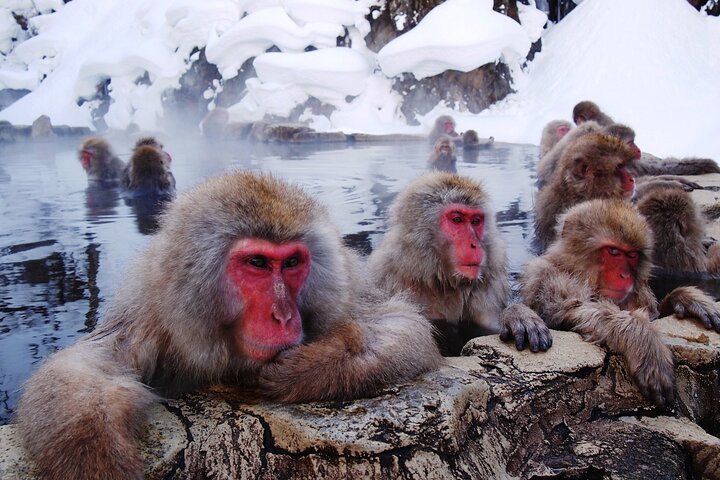
Snow Monkey Park, Soba Lunch and Shibu Onsen Tour
From $129.26 · Price checked: Oct 2026
Best for: Nature lovers and photographers
Not for: Travelers based far from Nagano or wanting a long onsen stay
Wild snow monkeys bathing in outdoor onsen combined with traditional Shibu Onsen visit. Pickup available.
Check availabilityExternal booking on Viator · pricing and cancellations handled by Viator
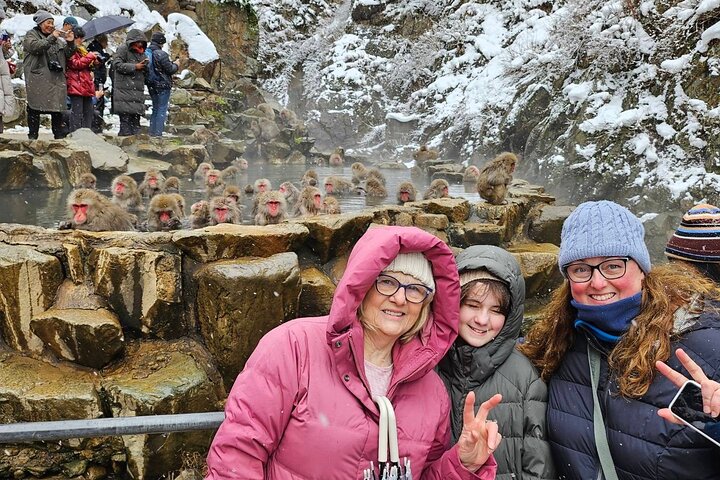
Explore Jigokudani Snow Monkey Park with a Local Guide
From $107.18 · Price checked: Jul 2026
Best for: Travelers with limited time who want a focused monkey park visit
Not for: Travelers with limited mobility, since reaching the park involves forest walking
Half-day guided walk to the snow monkeys. Short on time, focused on the monkey park.
Check availabilityExternal booking on Viator · pricing and cancellations handled by Viator
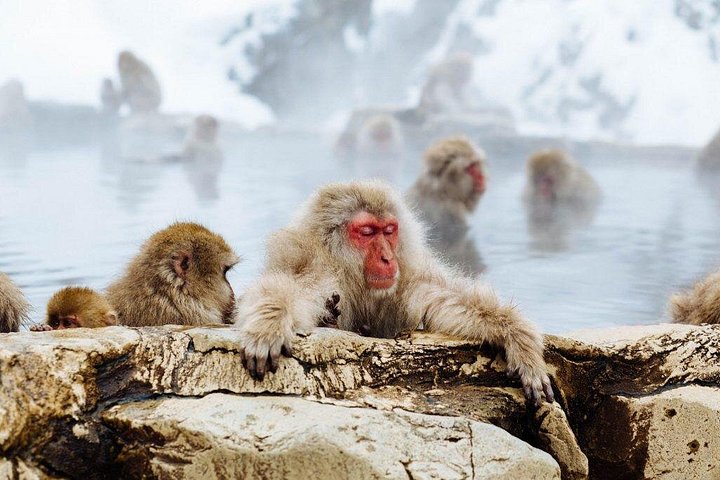
1-Day Snow Monkeys, Zenko-ji Temple & Sake in Nagano
From $144.38 · Price checked: Jul 2026
Best for: First-time visitors to Nagano wanting the headline attractions
Not for: Families with young kids or travelers who avoid alcohol tastings
Most popular Nagano day tour from Tokyo. Snow monkeys, temple, and sake tasting.
Check availabilityExternal booking on Viator · pricing and cancellations handled by Viator
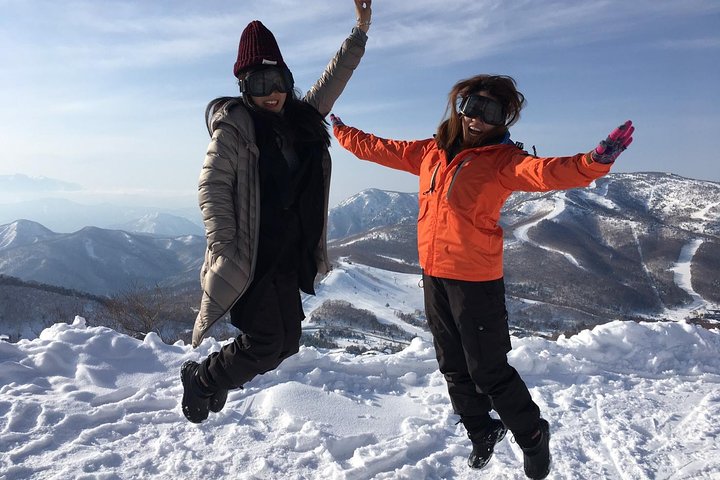
1-Day Snow Monkeys & Snow Fun in Shiga Kogen Tour
From $176.54 · Price checked: Jul 2026
Best for: Winter travelers wanting snow monkeys + snow activities
Not for: Adults wanting a calm cultural day rather than snow play with kids
Snow monkeys plus a winter activity stop in Shiga Kogen ski resort area.
Check availabilityExternal booking on Viator · pricing and cancellations handled by Viator
Explore More
Related comparisons and guides:
Frequently Asked Questions
What if I have tattoos and want to try a winter onsen in Japan?
Email the ryokan directly before booking, because small family-run onsen may say yes to a polite request even when their website says no. Pack waterproof tattoo cover bandages from home, since the sizes sold in Japanese pharmacies are limited.
Do I need to bring my own small towel?
Onsen rent out towels, but the small tenugui you take into the bath is not always included. Pack your own so you aren't caught out at the entrance.
When are onsen at their quietest?
Our local notes point to weekday afternoons, Tuesday through Thursday, as the quietest window. Weekend visits need earlier planning.
What if a ryokan only offers booking in Japanese?
Write to the ryokan directly in English.
What souvenir should I bring home from an onsen town?
The classic choice is local onsen manju, steamed buns sold in hot-spring towns. They make an easy gift to carry home.
Written from Kyoto, Japan.