Hakone Onsen Seasons: Foliage, Crowds and Clear Fuji Mornings
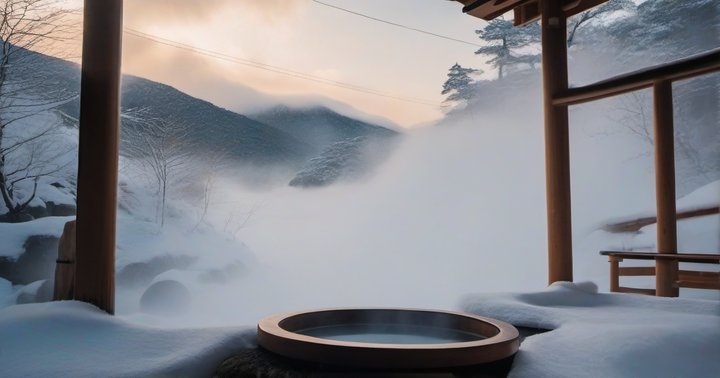
We earn a commission when you book through our links on Viator (PID P00299531), at no extra cost to you. This is how we keep the site free. Learn more →
What shapes a visit to Hakone
Hakone works when you plan around the bath first and the scenery second. Golden Week (late April-early May) is the busiest period for onsen towns. Weekdays are quieter than weekends at most onsen.
Golden Week, twenty nineteen, taught me what ignoring the calendar feels like. I sank into a cedar lined indoor bath and let the steaming water take the weight out of my legs. The light through the window shifted from white to amber to dusty pink while I sat there. I did not get out until my fingers had wrinkled. That soak turned into the part of the holiday I still think about, but it came from falling back on whatever bath I could find.
Arriving at Hakone on a Saturday morning in Golden Week without a reservation is the planning mistake I would steer anyone away from. For regional orientation and transport planning before you fix dates, the Japan National Tourism Organization (JNTO) is where I would start, and my Hakone onsen guide covers the town itself.
Private Tour to Mt. Fuji and Hakone (Fully Licensed Operator): what the itinerary covers
On a crowded holiday like my Golden Week one, a private day tour is the kind of format that saves a trip, because someone else has already solved the routing while you worry about where to bathe. The listing is candid that Mount Fuji views depend on weather, and that honesty matters for seasonal planning.
Fujisan shows clearest in early morning. Afternoon haze is common. For the sky itself, I would check the forecasts from the Japan Meteorological Corporation the night before and push any viewpoint to the front of the day. Skip this format if long, unhurried soaking is what you came for; a highlights day gives you the outline of Hakone, not an afternoon in the water.
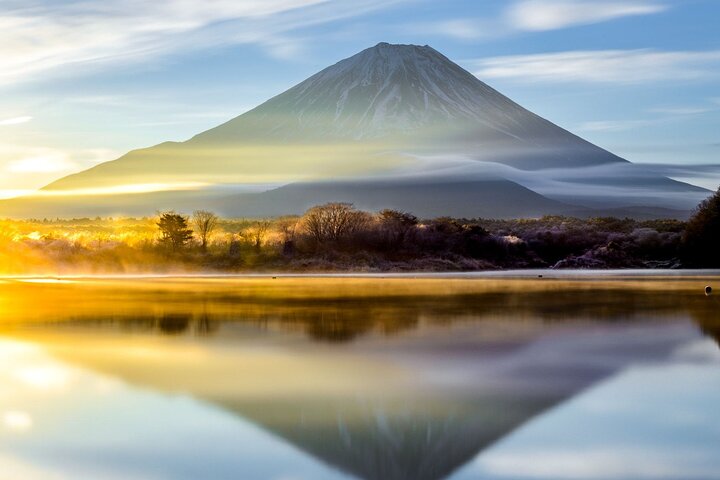
Private Tour to Mt. Fuji and Hakone (Fully Licensed Operator)
From $448.65 · Price checked: Aug 2026
Best for: First-timers and Tokyo day-trippers
Not for: Travelers who like building their own Hakone route at a slower pace
The most accessible Hakone onsen for Tokyo-based visitors. Covers major highlights without overnight stay. Mount Fuji views depend on weather.
Check availabilityExternal booking on Viator · pricing and cancellations handled by Viator
Planning seasonal onsen planning in Hakone
The moments worth planning for in Hakone come from matching the weather to the bath. Autumn (October-November) is peak season for foliage views from baths. Winter rotemburo with snow falling is considered the peak onsen experience.
Hakone, June 2023. I arrived on a Tuesday morning in heavy June rain, and the outdoor sights were pointless, since visibility from the ropeway was down to almost nothing. I went to a small sento near Gora station instead and found only three other people there. The rain on the tin roof was loud and steady, and the two hours I spent there beat any clear day ropeway ride.
June is the rainy season, with fewer crowds. July and August are hot and humid. Summer onsen visits are less crowded but can be uncomfortably hot. If heat drains you quickly, leave July and August off your list, though summer matsuri (local festivals) near onsen towns add cultural value for travellers who handle humidity well.
Autumn is the season for the classic picture: red maple leaves against onsen steam. Hakone gets especially crowded then, so reserve your ryokan well ahead. My autumn foliage onsen guide goes deeper on timing the leaves. Spring brings cherry blossom season, when an outdoor rotemburo (open-air bath) under the blossoms is the peak scene and onsen towns are busy for the same reason.
Hakone Private Custom Tour: Mt. Fuji View, Nature & Shrine: who this tour suits
What makes this one worth a look is flexibility. You get a private guide, onsen access and a flexible duration, which means you can shape the day around the weather: pull the Fuji viewpoints forward on a clear morning, then slow down for the bath once the haze arrives.
Choose the first tour instead if you want a fixed route and no decisions to make.
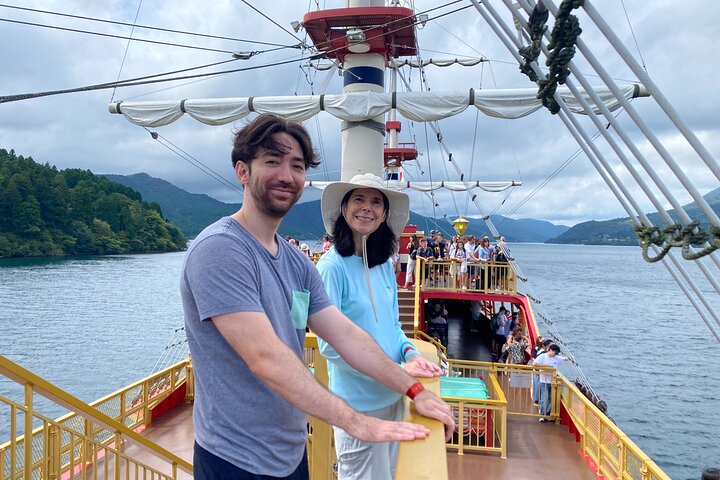
Hakone Private Custom Tour: Mt. Fuji View, Nature & Shrine
From $190 · Price checked: Sep 2026
Best for: Couples and privacy seekers
Not for: Solo budget travelers or anyone curious about communal public bath culture
Private customizable Hakone tour with onsen access. Flexible duration, private guide.
Check availabilityExternal booking on Viator · pricing and cancellations handled by Viator
What Surprised Me About Hakone
Two things about Hakone can catch out travellers who plan from photographs alone: how much cold tolerance a winter outdoor bath asks of you, and how firmly volcanic activity now sits in visitor planning.
Outdoor rotemburo in winter requires cold tolerance. The contrast is stark, because air can be below 0 while water is 42. New Year is a peak travel window, so the same booking-ahead rule applies. Watch the Japan Meteorological Corporation forecasts for cold snaps, and read my winter onsen guide for the wider picture.
Winter outdoor bathing is the wrong choice for anyone who struggles with cold. The indoor bath will still give you the steam and the quiet.
The second surprise is geological. Hakone's volcanic alert level was raised in 2015-2016, closing some onsen areas temporarily. The alert system is now part of visitor planning during seismic activity periods. This calls for a calm check, not alarm: before you travel during a period of seismic activity, read the latest travel information from JNTO and ask your ryokan directly whether its bath area and nearby sights are open.
Planning the visit well
Getting Hakone right comes down to timing within the day as much as the season. Visit the rotemburo early in the morning or later in the afternoon to avoid peak crowds, pair that with a weekday, and save the Fuji viewpoints for whichever morning the sky clears.
Bath etiquette is not decoration; it is how everyone shares the water. Bathing is done naked, so leave swimwear in your bag. Wash at the stations before you enter, pull the shower head out of the bucket, and sit on the stool so you are not spraying neighbours. The small towel (tenugui) is for washing, not for modesty, and it stays on your head or outside the water. Photos inside the bathing area are off limits. The JNTO onsen etiquette and rules page lays out the basics, including tattoo policies. If you have tattoos, call ahead or check the website; don't assume.
Look after your body too. Drink water before and after bathing, get out immediately and cool down if you feel dizzy, and avoid the bath after heavy drinking. Carry cash, since smaller baths may not take cards. At the ryokan, wear the yukata left side over right, and don't book the earliest dinner slot if you want a relaxed bath first. For choosing the ryokan itself, the Japan Onsen official cultural tourism site explains onsen types and ryokan selection.
If you want an overnight stay or a special occasion, the Hakone Full-Day Private Tour listing describes the full Japanese bathing ritual: an outdoor rotemburo, a multi-course kaiseki (traditional seasonal dinner), tatami sleeping, and a private outdoor bath option.
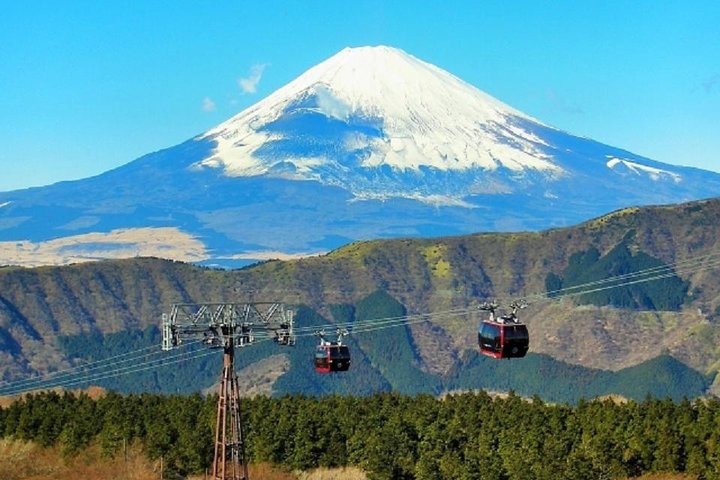
Hakone Full-Day Private Tour
From $253.66 · Price checked: Aug 2026
Best for: Overnight stays and special occasions
Not for: Day trippers who cannot spare a night or prefer Western style hotels
Full Japanese bathing ritual; outdoor rotemburo, multi-course kaiseki dinner, tatami sleeping. Private outdoor bath option.
Check availabilityExternal booking on Viator · pricing and cancellations handled by Viator
If Fuji comes first in your plans, the custom car tour with a licensed guide and driver gives you private car service across the Mount Fuji and Hakone areas, with an onsen stop and full-day flexibility. Skip the car tour if the bath is your main reason for coming, since an onsen stop inside a sightseeing day is a taste, not a soak. My Hakone onsen day trip guide helps with that trade-off.
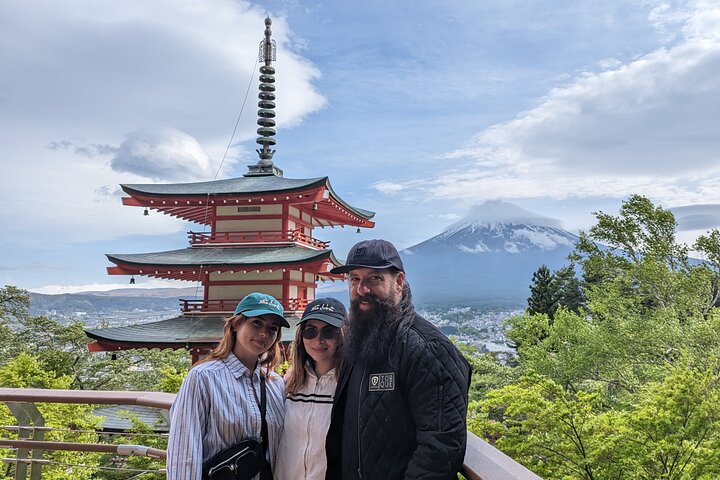
Mt Fuji Hidden Gem Custom Car Tour with Licensed Guide & Driver
From $55 · Price checked: Sep 2026
Best for: Fuji-first itinerary planners
Not for: Large groups or budget travelers better served by a shared coach tour
Private car service to Mount Fuji and Hakone areas with onsen stop. Full-day flexibility.
Check availabilityExternal booking on Viator · pricing and cancellations handled by Viator
Before you visit
Before booking Hakone, check the calendar, the bath arrangement and the sky, in that order.
My Golden Week bath ended well, but I would not repeat the lack of planning.
When you book, check whether the ryokan's rotemburo is private or shared; the listing photos will not always tell you. Smaller onsen may close one weekday for cleaning, so confirm before booking a Monday or Tuesday stay.
Last, remember what the rain taught me in June: a grey day in Hakone is a bath day. For how Hakone compares with other seasons and regions, see my season-by-season onsen guide.
Explore More
Related comparisons and guides:
Frequently Asked Questions
When are Hakone onsen quietest?
Weekday afternoons from Tuesday to Thursday are the quietest window. Confirm the bath is open on your chosen day, since some smaller onsen close one weekday for cleaning.
Is Hakone worth visiting in the June rainy season?
It is if bathing matters more to you than viewpoints. Pack for wet walks between stations and treat the ropeway as optional, because indoor baths lose nothing to the weather.
Will I see snow at a Hakone rotemburo in winter?
Hakone occasionally gets snow, so it is a possibility, not a promise. Plan a winter trip around cold air and hot water, and you will not be disappointed either way.
Should volcanic activity stop me from booking Hakone?
No, but it should be part of your checklist. During a period of seismic activity, check the current alert level and ask your ryokan whether any nearby areas are affected before you travel.
What should I reserve early for an autumn foliage trip?
Reserve the ryokan well ahead, and if you want a private kashikiri buro (a bookable family bath), reserve it when you book the room, not at check-in, because weekend slots go early.
Written from Kyoto, Japan.