
We earn a commission when you book through our Viator links, at no extra cost to you.
Emi's Notes
I've Been to Travel in Every Season — Here's the Truth
I've visited Hakone in every season over the past decade. February snow, June rain, October foliage, August humidity. Each season changes what the experience feels like — and not always in the way the guidebooks suggest.
Spring (March-April) is cherry blossom season. The onsen towns are busy — book a ryokan 4-6 weeks ahead. The outdoor rotemburo under cherry blossoms is the peak experience, but you'll share the bath with more people. Autumn (October-November) is peak foliage. Red maple leaves against onsen steam is classic. Hakone gets crowded — book 4+ weeks ahead. Summer (June-August) has June rainy season with fewer crowds. July-August is hot and humid, but summer festivals near onsen towns add cultural value. Winter (December-February) is snow season — the rotemburo contrast is unmatched.
For first-timers and Tokyo day-trippers, the Hakone Onsen Day Trip — Mount Fuji Region Hot Springs covers major highlights without an overnight stay. Mount Fuji views depend on weather — I've taken this tour twice and seen it once. That's Hakone.
Hakone Onsen Day Trip — Mount Fuji Region Hot Springs
Most accessible Hakone onsen for Tokyo-based visitors. Covers major highlights without overnight stay. Mount Fuji views depend on weather. Best for first-timers and Tokyo day-trippers.
Check Availability →The Odakyu Odawara Line is the most common route from Shinjuku. The Japan Rail Pass covers this route. Buy the Hakone Free Pass at Shinjuku station before boarding — it's ¥600 cheaper than buying at Odawara. The pass covers most transport in the region: the Hakone Tozan Railway, the cable car, the ropeway, and the Lake Ashi pirate cruise.
One thing most guides miss: visit the rotemburo before 10am or after 3pm to avoid peak crowds. I learned this the hard way during Golden Week 2019 — every ryokan I wanted was booked solid. I ended up at a small sento near Gora station at 4pm. Cedar-lined indoor bath, 40°C water. The light shifted from white to amber to dusty pink as the sun dropped behind the ridge. I sat there for two hours. That unplanned visit was better than any overbooked ryokan would have been.
If you're comparing destinations, read my Hakone vs Kyoto onsen comparison — they serve different needs.
Emi's Notes
The Month That Changed How I See Travel
June 2023. I arrived in Hakone at 10 AM on a Tuesday in heavy rain. The outdoor sights were pointless — visibility was maybe 50 metres from the ropeway. I went to a small sento near Gora station instead. Only three other people. The rain on the tin roof was loud and steady. Spent two hours there. It was better than any clear-day ropeway ride.
That's the lesson: bad weather at Hakone is an excuse to spend more time in the baths. The outdoor sights will still be there tomorrow. The Hakone Tozan Railway climbs 445 metres in elevation from Odawara to Gora with three switchbacks — trains reverse direction at three stations. Even in rain, that ride is something.
For overnight stays, I've done the Hakone Ryokan Experience — Private Rotemburo & Kaiseki Dinner twice. Full Japanese bathing ritual — outdoor rotemburo, multi-course kaiseki dinner, tatami sleeping. Private outdoor bath option. The kaiseki is half the value — twelve tiny dishes arriving one by one on lacquer trays. Don't skip dinner to save money.
Hakone Ryokan Experience — Private Rotemburo & Kaiseki Dinner
Full Japanese bathing ritual — outdoor rotemburo, multi-course kaiseki dinner, tatami sleeping. Private outdoor bath option. Best for overnight stays and special occasions.
Check Availability →Winter is my favourite season for onsen. February in Nagano — snow falling, steam rising from 42°C water into -5°C air, monkeys watching from rocks. That contrast between freezing air and hot water is the peak onsen experience. Hakone in winter isn't as cold as Nagano, but the principle holds. Bring a warm hat for the walk between indoor and outdoor baths.
Autumn is beautiful but crowded. Peak foliage season — book 4+ weeks ahead. Red maple leaves against onsen steam is classic. Hakone and Kyoto especially crowded. The Hakone Private Onsen Session — Custom Tour 3/4/6 Hours is worth considering if you want flexibility and privacy during busy seasons.
Hakone Private Onsen Session — Custom Tour 3/4/6 Hours
Private customizable Hakone tour with onsen access. Flexible duration, private guide. Best for couples and privacy seekers.
Check Availability →One thing I wish I'd known earlier: don't book the earliest ryokan dinner slot if you want a relaxed bath first. The kaiseki dinner at a ryokan near Gora — autumn evening, twelve tiny dishes arriving one by one, the delicate arrangement on lacquer trays, flavours I couldn't identify but loved — that meal deserves your full attention. Rush it, and you're wasting half the value of the stay.
Emi's Notes
Packing Lessons I Learned the Hard Way
I've made every mistake you can make in an onsen. Washed my hair at the wrong faucet. Nearly walked into the wrong gender area — confusing curtain colours in dim light, the moment of panic, the attendant's patient redirection. Always double-check: blue curtains for men, red for women. When in doubt, ask.
Here's what I now pack for any Hakone trip:
- 100 yen coins — coin lockers at onsen entrances require them. Bring change.
- Cash — many rural onsen don't accept credit cards. Hakone is better than most, but don't assume.
- Water bottle — onsen can dehydrate you quickly. Drink water before and after bathing.
- Warm hat — for winter walks between indoor and outdoor baths.
- Small towel (tenugui) — for washing, not for modesty. Everyone is naked.
- Yukata knowledge — at ryokan, wear the yukata left side over right. Right over left is for funerals.
I also learned about tattoo policies the hard way. At a Shinjuku sento on a weekday evening, the attendant's sharp glance told me everything. The cold feeling of being turned away. Relief at the second sento's warm welcome. Tattoo policies vary wildly even in the same neighbourhood — always have a backup. Some sento in Tokyo are tattoo-friendly despite ryokan in the same area not being. If you have tattoos, call ahead or check the website. Don't assume.
Thermae-Yu in Shinjuku is open until 1 AM (last entry 12 AM) and has a tattoo section. It's the best late-night option in Tokyo. Flight landed at Narita at 9 PM, reached Shinjuku at 11:30 PM. The rooftop rotemburo at midnight, 12 floors above Kabukicho, with the Tokyo skyline lit up — 42°C water, 6°C air. A salaryman next to me fell asleep sitting upright on the underwater bench. Staff woke him gently at 12:45 AM. That's Tokyo onsen culture.
Emi's Notes
What I Wish I'd Known Before I Went
I've been doing this for 12 years. Over 200 onsen visited. I still learn things every trip. Here's the condensed version of what I wish someone had told me before my first Hakone visit:
- Weekday afternoons (Tuesday-Thursday) are the quietest times. Avoid weekends and holidays if you want space in the bath.
- Book ryokan ahead during holidays. Golden Week 2019 taught me this. Every ryokan I wanted was booked solid. I ended up at a sento — and it was better.
- If an onsen's online system uses Japanese-only booking, email the ryokan directly in English. Most reply within 48 hours with a reservation.
- Don't book a ryokan for Monday or Tuesday without checking if the onsen is closed. Many smaller onsen close one weekday for cleaning.
- Wash before entering the bath. There are washing stations for a reason. Don't skip this step.
- Don't put the small towel in the bath water. Keep it on your head or outside. It's for drying, not bathing.
- Don't dunk your head underwater. Some onsen prohibit this for hygiene reasons.
- If you feel dizzy or nauseous, get out immediately and cool down. Onsen can dehydrate you quickly.
- Avoid onsen after heavy drinking. It increases risk of fainting.
- Many onsen have a rest area — use it. Don't rush out after bathing. Sit, drink water, let your body cool down.
- The best souvenir from an onsen town is local onsen manju (steamed buns). Not keychains. Not t-shirts. Steamed buns.
- Most onsen sell milk in glass bottles at the vending machines. It's a tradition. Buy one after your bath.
For cost planning, see my Hakone costs guide. For day trip logistics, see Hakone onsen day trip.
One final thing: the snow monkeys at Jigokudani in Nagano are worth the trip. Book the 9 AM entry — the monkeys are in the water the longest during cold mornings. They ignore humans completely. Steam rising from red monkey faces. The surreal sight of wild animals enjoying the same bath culture. They've been doing this longer than we've been visiting.
Honest Assessment
Hakone Seasons -- Who Should Rethink Their Timing
Not every season in Hakone suits every traveller:
- Budget travellers during autumn foliage (Oct-Nov). Peak demand drives ryokan rates 50-100% higher. Visit June or February instead for rates nearly half off.
- Anyone expecting guaranteed Mount Fuji views. Fuji is visible about 80 days per year -- winter mornings are your best bet. Summer haze and afternoon clouds are far more common than clear views.
- Golden Week visitors without reservations. Late April to early May is Japan's busiest travel period. Ryokan book out 2+ months ahead.
- Summer visitors who dislike humidity. July and August bring 30C+ temperatures and 80% humidity. Outdoor rotemburo can feel oppressive rather than restorative.
- Winter visitors unprepared for cold transitions. The walk between indoor changing rooms and outdoor rotemburo in January can mean -5C air against wet skin.
For everyone else: pick your season, book ahead, and Hakone will deliver. The mountain rewards patience.
Cost Comparison
Hakone Costs by Season
| Season | Ryokan Rate (per person) | Crowds | Best For |
|---|---|---|---|
| Spring (Mar-Apr) | 20,000-35,000 yen | Busy (cherry blossoms) | Cherry blossom + onsen |
| Golden Week (late Apr-early May) | 30,000-50,000 yen | Peak -- book 8 weeks ahead | Only if you book early |
| Summer (Jun-Aug) | 15,000-25,000 yen | Quiet (rainy June, humid Jul-Aug) | Budget + quiet baths |
| Autumn (Oct-Nov) | 25,000-40,000 yen | Peak foliage -- book 4 weeks ahead | Foliage from outdoor rotemburo |
| Winter (Dec-Feb) | 15,000-25,000 yen | Quiet (except New Year Jan 1-3) | Snow + rotemburo, clearest Fuji views |
FAQ
Hakone Seasons FAQ
Frequently Asked Questions
What is the best season to visit Hakone for onsen?
Winter (December-February) for the rotemburo contrast — snow falling while you soak in 42°C water. Spring (March-April) for cherry blossoms. Autumn (October-November) for foliage. Summer is hot and humid but has fewer crowds in Jun
How do I get to Hakone from Tokyo?
Take the Odakyu Line from Shinjuku to Odawara (about 90 minutes). The Japan Rail Pass covers this route. Buy the Hakone Free Pass at Shinjuku station — it's ¥600 cheaper than buying at Odawara.
Do I need to book a ryokan in advance for Hakone?
Yes, especially during peak seasons (Golden Week, cherry blossom season, autumn foliage). Book 4-6 weeks ahead for spring and autumn. For day trips, you don't need advance booking for most public onsen.
Are tattoos allowed at Hakone onsen?
It varies. Many traditional ryokan do not accept tattoos. Some sento in Tokyo are tattoo-friendly. Call ahead or check the website. Thermae-Yu in Shinjuku has a tattoo section and is open until 1 AM.
What should I pack for a Hakone onsen trip?
100 yen coins for lockers, cash (many rural onsen don't accept cards), a water bottle, a warm hat in winter, a small towel (tenugui) for washing, and knowledge of how to wear a yukata (left side over right).
What are common mistakes first-timers make at Hakone onsen?
Wearing swimwear (bathing is always naked), entering the bath without washing first, putting the small towel in the bath water, dunking your head underwater, arriving without a reservation during peak times, and not checking tattoo policies.
Explore More
Hakone Guide
Complete guide to Hakone onsen -- best baths, ryokan, day trip planning.
Hakone Costs
What you will actually spend on ryokan, transport, and onsen entry fees.
Hakone vs Kyoto
Side-by-side comparison of Japan's two most popular onsen destinations.
Hakone Day Trip
How to do Hakone as a day trip from Tokyo -- transport, timing, tour options.
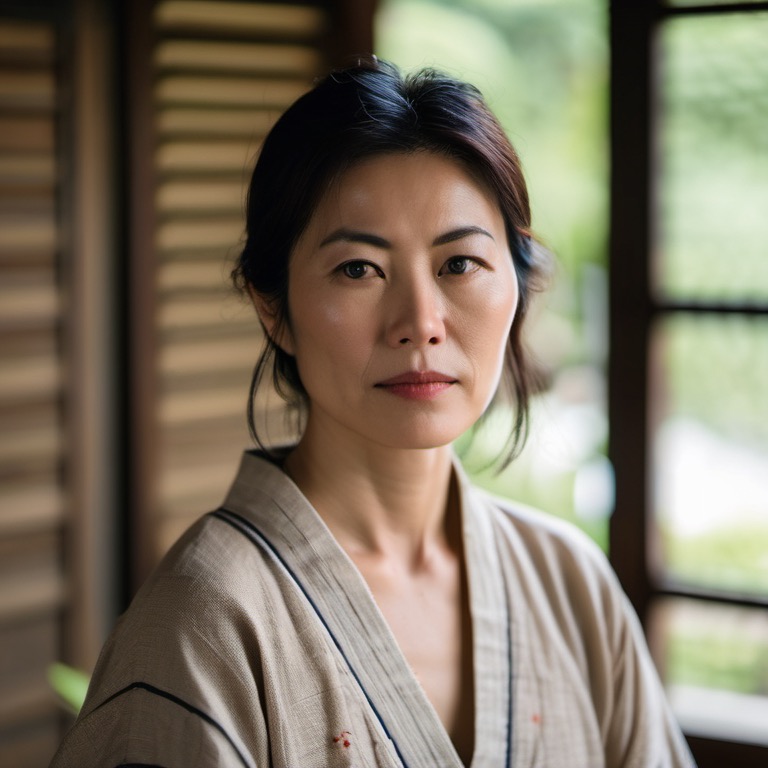
Emi Kato
Japanese onsen specialist · 60+ onsen visited · 12 years in Japan
Last verified: June 2026