I Made Every Mistake — Here Is the Cultural Logic Behind Each Rule
My first onsen visit was at a neighborhood sento in Shinjuku. February 2012, a Tuesday evening. I walked in with my shoes still on — the attendant pointed gently at the shoe lockers. I had not even cleared the entrance and I had already broken a rule. That evening I washed my hair at the wrong faucet, nearly walked into the men's section, and stayed in the bath so long I felt dizzy for an hour afterward. Twelve years and over 200 onsen later, I understand why each rule exists. This guide is not just a list — it is the reasoning behind the rules, so you can follow them naturally instead of memorizing a checklist.
The most important thing to understand: onsen are not swimming pools. They are communal relaxation spaces with roots in Shinto purification rituals that go back centuries. The rules exist to keep the water clean, preserve a quiet atmosphere, and respect shared space. Once you understand that, everything else follows.
Shinto Roots: Why the Washing Ritual Matters
The washing ritual — sitting on a stool, soaping, rinsing thoroughly before entering the bath — is not just about hygiene. It comes from misogi, the Shinto practice of purification by water. Before entering a purified space, you cleanse yourself. The onsen bath is a shared space with deep cultural meaning. When you skip the washing station and step directly into the bath, you are not just being unhygienic — you are violating a cultural norm that everyone around you was raised with.
I learned this at a ryokan near Gora in Hakone. An elderly woman washing next to me gestured toward the faucet and mimed scrubbing her arms. She did not speak English. I did not need translation. The message was clear: wash properly first. Now I spend a full five minutes at the washing station before I even look at the bath. Use the stool — do not stand. Pull the shower head out of the bucket and direct the water downward so you do not spray your neighbors. Soap, rinse, repeat. Then enter the bath.
The Tenugui: Why the Small Towel Stays Out of the Water
The tenugui — that small white towel you receive at the entrance — is the source of more tourist confusion than any other item in an onsen. The rule is simple: it never touches the bath water. The reason is equally simple: it has been used to wash your body and carries soap residue. Dipping it in the shared bath contaminates the water. Keep it on your head while you soak (it helps regulate body temperature), hang it on the edge of the bath, or leave it in your basket. If you see someone with their tenugui floating in the water, they are almost certainly a first-timer.
Tattoos: The Policy That Surprises Every Visitor
I have a small shoulder tattoo — a wave pattern I got in Osaka in 2015. It is maybe 8 centimeters across. I cannot count how many times I have been turned away because of it. The first time was at a Shinjuku sento in 2016. The attendant saw it, sharp glance, immediate "sorry, no." Cold feeling. I found another sento two blocks away that welcomed me with no questions. That contrast — turned away at one door, welcomed at another — is why I built our tattoo-friendly comparison guide.
The tattoo restriction is not about aesthetics. It is about Japan's historical association between tattoos and yakuza (organized crime). For decades, onsen owners enforced no-tattoo policies to keep gang members out. The policy persists at many traditional ryokan even though yakuza presence at onsen is now rare. Younger onsen owners are more relaxed, and large commercial complexes in cities are generally fine. But the rule still varies establishment by establishment. Always call ahead. Always have a backup. I still do.
The Tattoo-Friendly Open-Air Onsen in Tokyo is the place I send every tattooed visitor. Confirmed policy — no questions asked. I went on a Tuesday afternoon in August and the rotemburo was nearly empty. Bamboo swaying in the breeze, 42-degree water, zero questions about my shoulder. If you have ink, this is your safest bet in Tokyo.
Silence Is Part of the Experience
Onsen are not social spaces in the way Westerners expect. The bath is for quiet relaxation — similar to a meditation hall or a library reading room. Soft, brief conversation is acceptable. Loud group chatter, phone calls, or splashing will get you noticed for the wrong reasons.
I once watched a group of four tourists at a Beppu onsen talk loudly across the bath, comparing their travel plans. An elderly Japanese man stood up, dried off, and left without a word. He had been there first. The message was delivered without being spoken. If you want to socialize, do it in the rest area after bathing — most onsen have tatami rooms with vending machines for exactly this purpose.
Gender Separation: Blue for Men, Red for Women
The gender separation in Japanese onsen is nearly universal. Blue curtains mark the men's side. Red curtains mark the women's side. The kanji characters are 男 (otoko, man) and 女 (onna, woman). Learn these two characters before you go — they will save you from the panic I felt at a rural Beppu onsen when dim lighting made both curtains look the same shade of gray.
The separation exists because bathing is naked. Mixed-gender onsen (konyoku) do exist in remote mountain areas of Tohoku and Kyushu, but they are rare. At konyoku, bathers typically wrap themselves in a large towel while in the water. If you are not comfortable with mixed-gender bathing, do not seek these out — they are not for everyone.
Who This Is NOT For
Onsen bathing is not for every traveler. Here is where I tell you honestly who should skip it:
Not for the body-conscious. You will be naked around strangers. There is no way around this. Private onsen (kashikiri-buro) at ryokan are a good alternative — you get the hot spring experience without the shared nudity. Our private onsen guide lists options in Tokyo and Hakone.
Not for anyone with unmanaged medical conditions. The combination of 40-42°C water, humidity, and sudden temperature changes can cause dizziness, fainting, or worse. If you have heart problems, low blood pressure, or are pregnant, consult a doctor before visiting. I have seen two people faint at onsen — both had stayed in too long and stood up too fast.
Not for the impatient. A proper onsen visit takes at least 90 minutes. Washing, soaking, cooling down, soaking again, resting in the tatami room, drinking milk from the vending machine — this is a ritual, not a quick dip. If you are trying to squeeze it between two other activities, you will miss the point entirely.
Not for heavy drinkers. Alcohol and hot water are a risky combination. I have seen tourists try to enter onsen after several drinks at dinner — the heat amplifies the alcohol's effects and increases dehydration. Most onsen will refuse entry to visibly intoxicated people.
Practical Knowledge From 200+ Visits
Here are the things no etiquette guidebook tells you, gathered over twelve years of bathing across Japan:
Drink water before and after. Onsen dehydrate you quickly. The vending machines sell water and milk — buy both. The milk-in-a-glass-bottle tradition exists for a reason: it replenishes electrolytes and feels incredible after a hot soak. I had a cold bottle of coffee milk after a winter rotemburo in Nagano, snow falling around me, and it remains one of the best things I have ever tasted.
The 15-20 minute rule is real. I once stayed in a Nagano rotemburo for 45 minutes because the snow was falling and the monkeys were watching from the rocks and I could not bring myself to leave. Got out, immediately dizzy, had to lie on a bench for ten minutes. The contrast between freezing air (-5°C) and hot water (42°C) is exhilarating but physiologically demanding. Get out, cool down, drink water, and go back in if you want. Two 15-minute sessions are better than one 30-minute session.
Bring 100 yen coins. The lockers at onsen entrances require them. I have scrambled for change more times than I can count. Rural onsen often do not accept credit cards at all — bring cash.
The yukata goes left side over right. Right over left is for funerals. If you wear your yukata the wrong way at a ryokan, the staff will correct you with a quiet bow. I made this mistake at a ryokan near Gora and the attendant adjusted my collar without saying a word — the most Japanese correction I have ever received.
Weekdays are dramatically quieter. Tuesday to Thursday afternoons are the quietest times. I go to Arashiyama onsen in Kyoto at 7am on weekdays — mist rising from the river, bamboo forest visible through the outdoor bath fence, temple bell in the distance, and no one else in the bath. If you go on a Saturday at 11am, expect crowds.
Do not dunk your head underwater. Some onsen prohibit this for hygiene reasons — the bath water is not chlorinated and head-dunking spreads oils and hair products. Keep your hair tied up and out of the water.
Where to Start: Guided Experiences for First-Timers
If you are nervous about your first onsen, start with a guided experience. The Japanese Sento Culture Experience in Shinjuku pairs you with a local guide who walks you through every step — from the shoe locker to the washing stations to the proper way to fold your tenugui. I booked this on a weekday evening early in my Japan years, and it saved me from at least three rookie mistakes. The guide showed me how to tie up long hair properly (ponytail, not a bun — buns trap heat and look messy) and explained that the washing station stool is meant to be sat on, not stood at. Worth the 90 minutes for the confidence alone.
Japanese Sento Culture Experience — Shinjuku
Guided sento experience in Shinjuku. Best for first-timers who want to learn etiquette from a local. You will make zero mistakes. The guide answers every question you have been too embarrassed to ask.
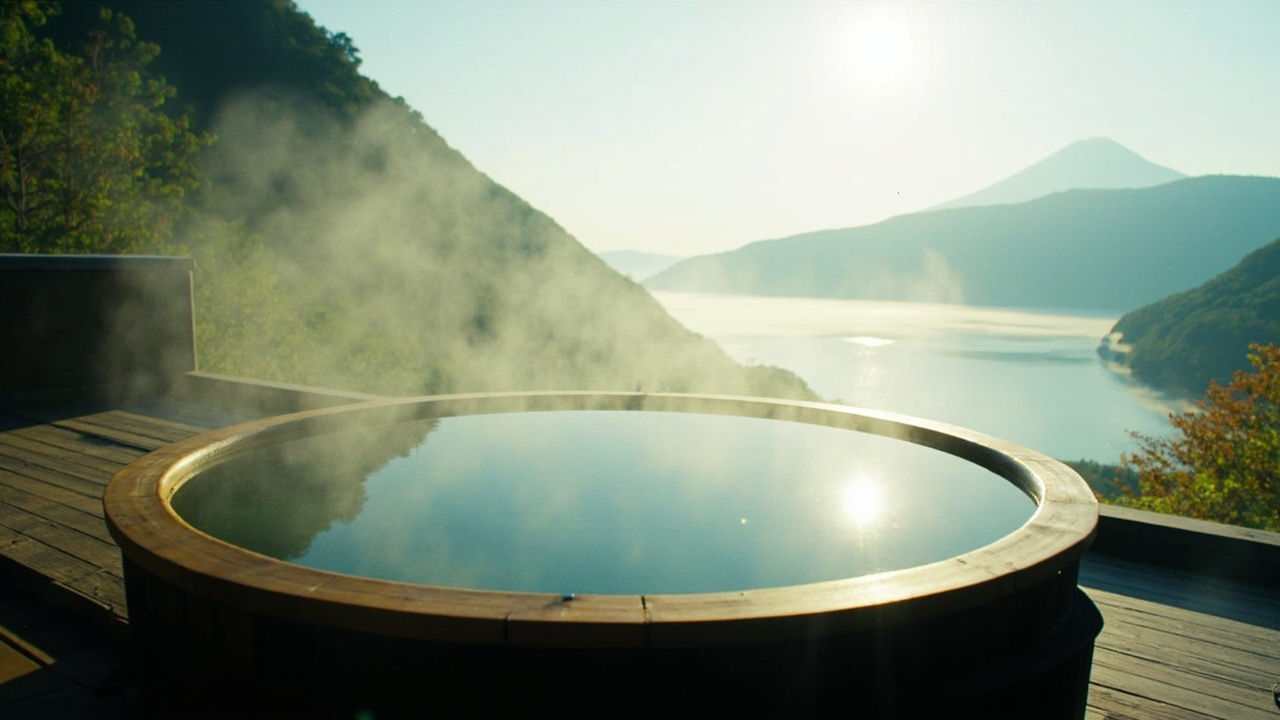
Check Availability →Once you are comfortable with sento basics, the Hakone Onsen Day Trip takes you to an outdoor rotemburo with Mount Fuji views. This is the next step — applying what you learned at the sento in a scenic ryokan setting. I took this trip on a clear November morning and the Fuji view from the bath justified every yen. The tour handles transport from Tokyo so you do not have to navigate the Odakyu line on your own.
Hakone Onsen Day Trip — Mount Fuji Region Hot Springs
The most accessible Hakone onsen for Tokyo-based visitors. Covers major highlights without overnight stay. Mount Fuji views depend on weather — book a clear day if you can.
Check Availability →For the full experience, the Hakone Ryokan Experience includes a private rotemburo session, multi-course kaiseki dinner, and overnight tatami stay. This is the complete Japanese bathing ritual — not something to cram between sightseeing stops. Book it for a special occasion or simply because you want to do onsen properly at least once.
Hakone Ryokan Experience — Private Rotemburo & Kaiseki Dinner
Full Japanese bathing ritual — outdoor rotemburo, multi-course kaiseki dinner, tatami sleeping. Private outdoor bath option available. Best for overnight stays and special occasions.
Check Availability →What I Wish I Had Known Before My First Visit
After twelve years, here is what I would tell my 2012 self, walking into that Shinjuku sento with shoes on:
Start with a sento, not a ryokan. Sento are cheaper, less intimidating, and you can leave if you mess up. Ryokan involve kaiseki dinners, yukata, and a whole overnight ritual that is harder to recover from if you get things wrong.
Visit on weekdays. The experience of having a bath to yourself — or sharing it with one or two quiet locals — is completely different from a crowded Saturday bath. The onsen is the same water either way, but the atmosphere is not.
Do not skip the rest area. Most onsen have a tatami room with vending machines where you sit and cool down after bathing. Use it. Drink milk. Let your body temperature normalize. Rushing out to the next activity defeats the purpose.
Book ryokan ahead during holidays. Golden Week, cherry blossom season, autumn foliage — four to six weeks out. I learned this in Hakone. One ryokan near Gora posted a handwritten sign in Japanese that said, roughly, "Queue estimated at two hours — please do not ask."
And finally: you will make mistakes. I still do. The attendants are used to tourists. They will correct you gently. Accept the correction, learn, and keep soaking. That is how it works.
Explore More
Related comparisons and guides: