I've Been to Japan in Every Season — Here's the Truth
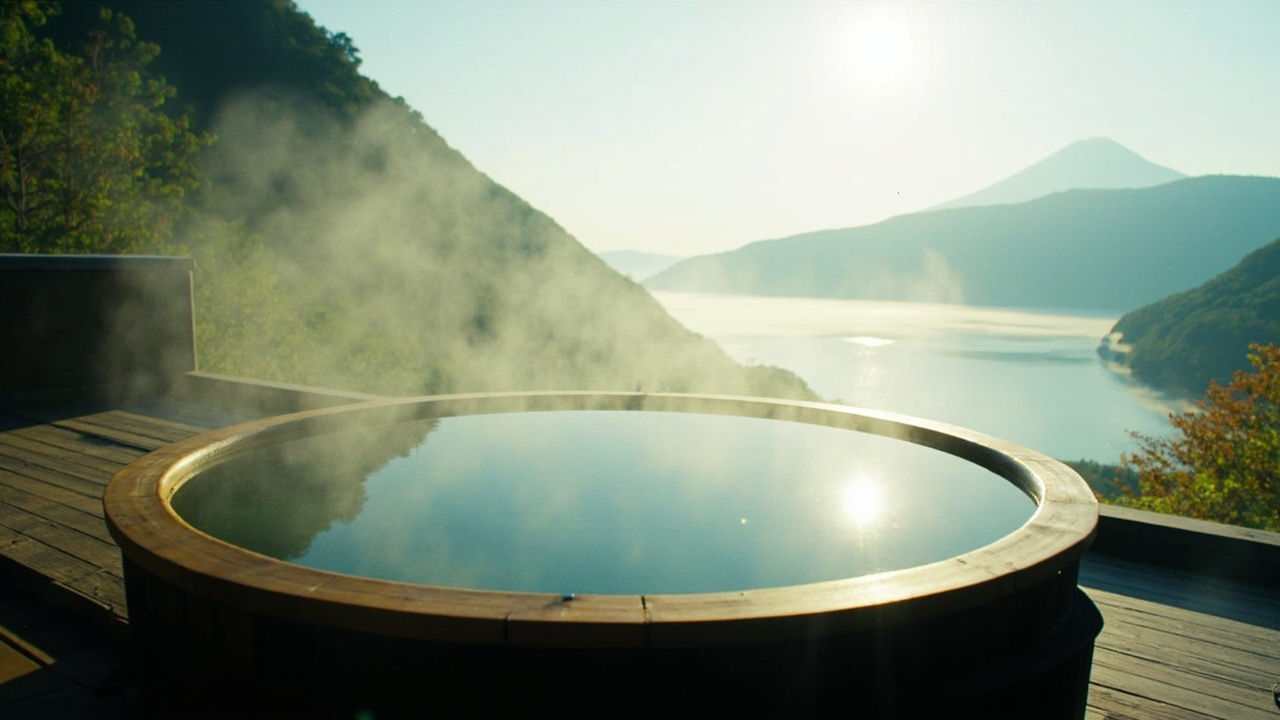
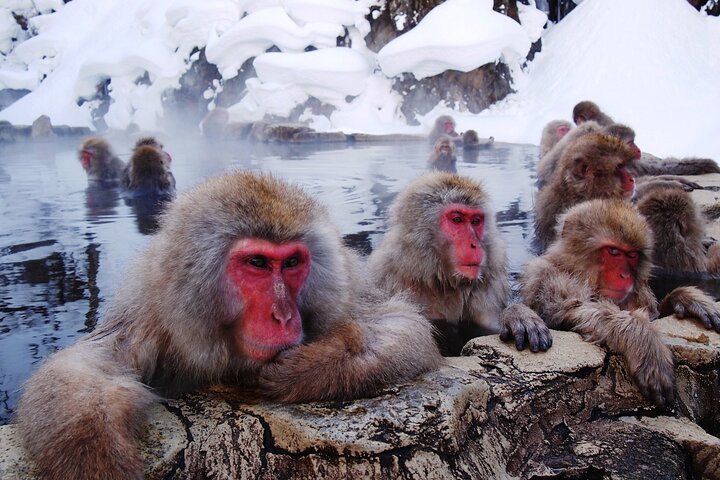
My first winter onsen was an accident. I'd planned a Nagano trip for October, but work pushed it to February. I arrived at a ryokan near Yudanaka with snow piled waist-high on either side of the path. The attendant handed me a thicker yukata than I'd ever seen — lined, almost quilted — and pointed toward the outdoor rotemburo. The air was -5°C. The water was 42°C. I sat in that bath for two hours, watching snowflakes land on my shoulders and melt instantly. A troop of snow monkeys watched from the rocks above, steam rising from their red faces.
That's the honest truth about winter onsen in Japan: it's uncomfortable getting there, but once you're in the water, it's the most alive you'll feel all year. The contrast between freezing air and scalding water is the full experience — not just a bath, but a sensory reset.
Winter (December to February) is the peak season for onsen tourism in Japan. The busiest period is December 28 to January 3 — Japanese New Year. If you can avoid those dates, the rest of winter is manageable. Nagano and Hokkaido get reliable snow. Hakone occasionally gets snow but it's not guaranteed. Beppu stays warm year-round — no snow, but also no winter crowds.
I've soaked in over 200 onsen across Japan, and winter is when the country's bathing culture makes the most sense. Here's what I've learned about doing it right.
Nagano Snow Monkey Park & Shibu Onsen Day Trip — Best in Peak Season
The Jigokudani Monkey Park is the most famous winter onsen attraction in Japan, and for good reason. The snow monkeys don't care about your camera — they've been doing this longer than we've been visiting. I went in January and watched a group of macaques sit in a natural hot spring for 45 minutes, completely ignoring the crowd of tourists 10 metres away. Steam rose from their wet fur. One monkey closed its eyes and looked like a salaryman after a long shift.
The park is a 30-minute walk from the nearest bus stop through a snow-covered forest path. Wear boots with good grip — the path gets icy. I slipped twice and landed on my backpack. The monkeys didn't even look up.
After the monkeys, walk 15 minutes to Shibu Onsen, a traditional hot spring town with nine public bathhouses. You can buy a yu-meguri pass for ¥1,200 and visit all nine. They're small, old, and wonderful. The water is naturally hot — around 43°C in most baths. The town has been operating since the Edo period.
I booked the Nagano Snow Monkey Park & Shibu Onsen Day Trip through Viator and it handled the logistics perfectly — pickup from Nagano station, entrance fees included, and enough time at both locations. The guide told me the monkeys are most active in the water between 9 AM and 11 AM, when the air is coldest. Book the 9 AM entry if you can.
Nagano Snow Monkey Park & Shibu Onsen Day Trip
Wild snow monkeys bathing in outdoor onsen combined with traditional Shibu Onsen visit. Pickup available. Best for nature lovers and photographers.
 Check Availability →
The Month That Changed How I See Winter
February 2022. I spent three weeks travelling from Nagano to Hokkaido, visiting onsen towns that get real snow. The rotemburo at a ryokan near Jigokudani was the highlight — snowflakes melting on my shoulders, steam rising from 42°C water into -5°C air, and monkeys watching from the rocks. I sat there for two hours, watching the light shift from white to amber to a soft dusty pink as the sun dropped behind the ridg
But the real lesson came on a Tuesday afternoon in Hakone. I'd booked a Hakone Onsen Day Trip — Mount Fuji Region Hot Springs because I wanted a structure that didn't require driving on icy roads. The tour picked me up from Tokyo station at 8 AM, and by 10 AM I was in an outdoor bath at a ryokan near Gora with only three other people. The bamboo forest outside the bath fence was dusted with frost. The air was 2°C. The water was 41°C. No monkeys, but the silence was its own reward.
That trip taught me something: winter onsen in Japan isn't just about snow. It's about the contrast — the cold air on your face, the hot water on your body, the quiet that comes when snow muffles every sound. You don't need a famous view. You just need good water and cold air.
Hakone Onsen Day Trip — Mount Fuji Region Hot Springs — Surprisingly Great in Low Season
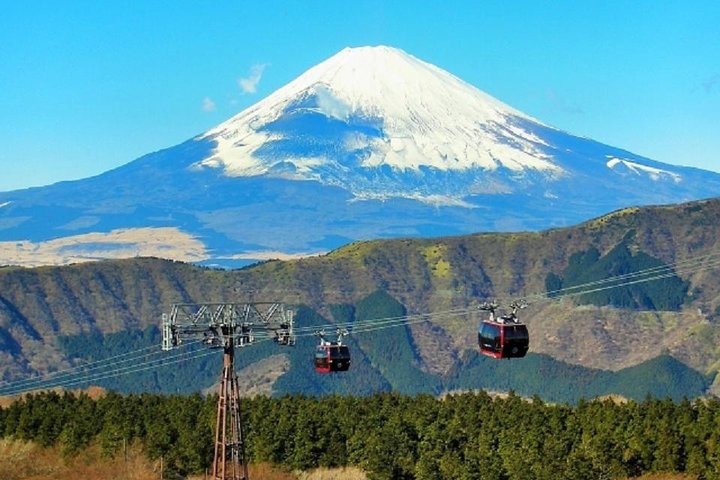
Hakone in winter is quieter than autumn foliage season but busier than summer. The outdoor sights lose their appeal when visibility drops below 50 metres — I learned this the hard way in June 2023 when heavy rain ruined my ropeway plans. But winter is different. The cold air keeps the steam low to the water, and the baths feel more privat
I stayed at a ryokan near Gora that had a private rotemburo option. The room cost ¥16,500 per night — reasonable for Hakone in winter. The kaiseki dinner was twelve tiny dishes arriving one by one on lacquer trays. The flavors were unfamiliar but perfect — a delicate balance of sweet, savory, and umami. Don't skip dinner to save money; it's half the value of the ryokan experienc
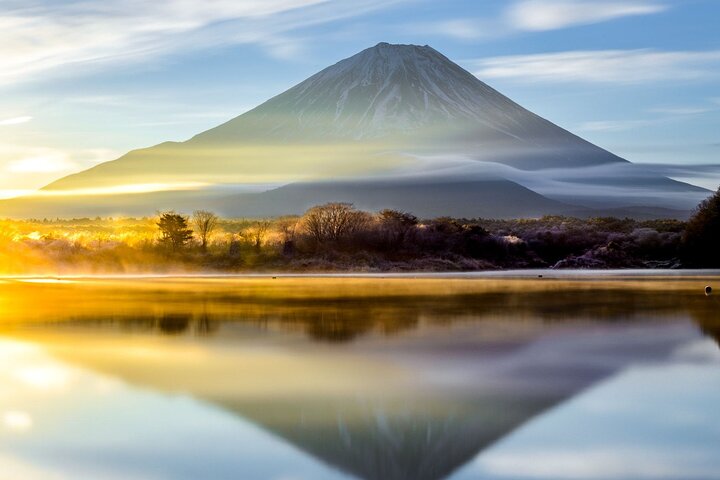
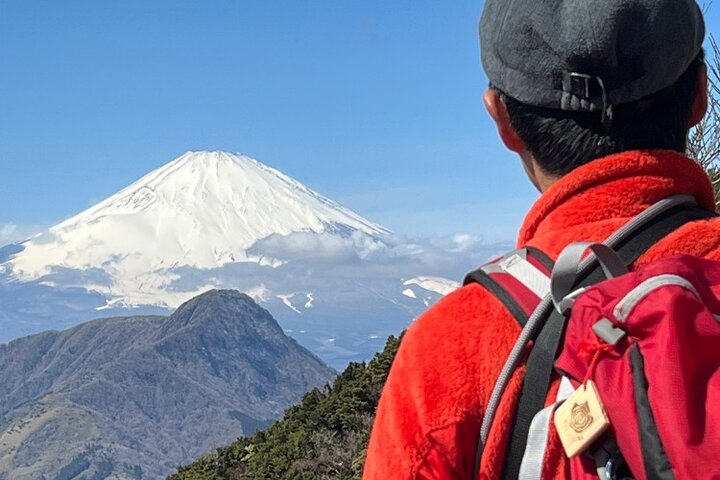
For Tokyo-based day-trippers, the Hakone Onsen Day Trip is the most accessible option. It covers the major highlights without an overnight stay. Mount Fuji views depend on weather — I've had clear days where Fuji appears like a painted backdrop, and foggy days where you can't see 20 metres. The tour includes entry to a ryokan with an outdoor rotemburo, which is the main draw.
Hakone Onsen Day Trip — Mount Fuji Region Hot Springs
The most accessible Hakone onsen for Tokyo-based visitors. Covers major highlights without overnight stay. Mount Fuji views depend on weather. Best for first-timers and Tokyo day-trippers.
 Check Availability →
If you want the full overnight experience — private rotemburo, kaiseki dinner, tatami sleeping — the Hakone Ryokan Experience — Private Rotemburo & Kaiseki Dinner is worth the splurge. I did this on a February trip and spent two hours in the private outdoor bath after dinner, watching the stars appear through the steam. The private bath option costs extra but is worth it if you're shy about shared bathing.
Hakone Ryokan Experience — Private Rotemburo & Kaiseki Dinner
Full Japanese bathing ritual — outdoor rotemburo, multi-course kaiseki dinner, tatami sleeping. Private outdoor bath option. Best for overnight stays and special occasions.
 Check Availability →
Packing Lessons I Learned the Hard Way
My first winter onsen trip, I packed like I was going to a beach resort. Lightweight yukata, thin sandals, no hat. The walk from the changing room to the outdoor rotemburo was maybe 20 metres, but at -5°C, it felt like a mile. My ears went numb. I sat in the bath shivering for the first five minutes before the heat kicked in.
Here's what I pack now for winter onsen:
- Warm hat — for the walk between indoor and outdoor baths. Your head loses heat fast.
- Thick socks — many ryokan have cold floors in the hallways. The slippers they provide are thin.
- Insulated water bottle — onsen dehydrate you quickly. Most vending machines sell milk in glass bottles, which is a tradition, but I prefer water between baths.
- Quick-dry towel — the small tenugui towels provided are fine for washing but useless for drying off after the bath. Bring a small microfiber towel for the walk back to your room.
- Cash — many rural onsen don't accept credit cards. The coin lockers at entrances require ¥100 coins. Bring change.
- Moisturizer — the hot water and cold air dry out your skin. Most ryokan provide basic lotion but it's not enough.
Also: if you have tattoos, call ahead or check the website. Don't assume. I was turned away from a sento in Shinjuku once — the attendant's sharp glance told me everything. I walked three blocks to another sento that had a "tattoos welcome" sign in English. Policies vary wildly even in the same neighborhood. Always have a backup.
And the small towel is for washing, not for modesty. Everyone is naked. Put the towel on your head or outside the bath — never in the water.
What I Wish I'd Known Before I Went
I made every mistake you can make. I washed my hair at the wrong faucet, nearly walked into the wrong gender area, stayed in too long and had to lie on the bench like a beached seal. Here's the practical stuff I wish someone had told me:
- Visit rotemburo before 10 AM or after 3 PM to avoid peak crowds. The sweet spot is 3 PM on a weekday — most day-trippers have left and overnight guests haven't arrived yet.
- Don't book the earliest ryokan dinner slot if you want a relaxed bath first. Dinner at 6 PM means rushing out of the bath at 5:30. Book 7 PM or later.
- Weekday afternoons (Tuesday-Thursday) are the quietest times at most onsen. Monday is often a cleaning day for smaller onsen — check before booking.
- If an onsen's online system uses Japanese-only booking, email the ryokan directly in English. Most reply within 48 hours with a reservation.
- When visiting Hakone, buy the Hakone Free Pass at Shinjuku station before boarding — it's ¥600 cheaper than buying at Odawara.
- In Beppu, buy the Beppu Onsen Coupon (¥2,000 for 6 baths) at the tourist office. Single bath entries add up fast.
- Drink water before and after bathing. Onsen can dehydrate you quickly. I nearly fainted once after staying in a 43°C bath for 25 minutes.
- The best souvenir from an onsen town is local onsen manju — steamed buns filled with red bean paste, cooked using the hot spring steam. Beppu's steam vents are free public cooking stations — I cooked eggs and sweet potatoes in a pavement vent for ¥300.
- Many onsen have a rest area. Use it. Don't rush out after bathing. Lie on the tatami, drink some milk, let your body cool down gradually.
- If you feel dizzy or nauseous, get out immediately and cool down. Don't push through it.
- Avoid onsen after heavy drinking. It increases the risk of fainting. A beer after the bath is fine — a bottle of sake before is not.
- Thermae-Yu in Shinjuku is open until 1 AM (last entry 12 AM) and has a tattoo section. It's the only viable late-night onsen in Tokyo. I went at midnight once after a late flight — the rooftop rotemburo with the Tokyo skyline lit up was surreal.
And the most important lesson: winter onsen isn't about luxury. It's about the contrast. The cold air on your face, the hot water on your body, the quiet that comes when snow muffles every sound. That's the experience. Everything else is just logistics.
Frequently Asked Questions
Is it safe to use outdoor onsen in winter?
Yes, but take precautions. Stay in the bath for 15-20 minutes at a time, not longer. Drink water before and after. Wear a warm hat for the walk between indoor and outdoor baths. If you feel dizzy, get out immediately and cool down.
Which onsen towns in Japan get real snow in winter?
Nagano (Yudanaka, Shibu Onsen) and Hokkaido (Noboribetsu, Jozankei) get reliable snow from December to February. Hakone occasionally gets snow but it's not guaranteed. Beppu stays warm year-round with no snow.
Can I visit the snow monkeys in winter?
Yes — winter is the best time. The monkeys bathe in the outdoor onsen at Jigokudani Monkey Park from November to March. Go early (9 AM) when the air is coldest and the monkeys stay in the water longest. The park is a 30-minute walk through snow — wear boots with good grip.
Do I need to book ryokan in advance for winter onsen?
Yes. Book 4-6 weeks ahead for popular destinations like Nagano and Hakone. The busiest period is December 28 to January 3 (Japanese New Year). Weekday stays in January and February are easier to book. Email the ryokan directly if their online system is Japanese-only.
What should I wear in a winter onsen?
Nothing — bathing is always naked in Japan. The ryokan provides a yukata (cotton robe) for walking around the property. Wear it left side over right (right over left is for funerals). Bring a warm hat for the walk to the outdoor bath and thick socks for cold hallways.
Are onsen in winter tattoo-friendly?
Policies vary. Many traditional ryokan do not accept tattoos. Some sento in Tokyo (like Thermae-Yu in Shinjuku) have dedicated tattoo sections. Call ahead or check the website. Always have a backup plan — tattoo policies can differ even in the same neighborhood.
Explore More
Related comparisons and guides:
 Book Hakone Onsen →