I Nearly Passed Out in a Beppu Onsen in August. Here's What I Learned.
The first time I used an onsen in summer, I did everything wrong. It was August in Beppu — 34°C outside, humidity thick enough to swim through. I'd been walking around the Hells circuit for three hours in direct sun. I'd had two beers at lunch. Then I climbed into a 42°C indoor bath and stayed for 22 minutes because I was determined to get my money's worth.
When I stood up, the room tilted. My vision narrowed to a tunnel. I made it to the bench in the changing room and sat there with my head between my knees for ten minutes while an elderly Japanese man handed me cups of cold water from the vending machine without saying a word. He'd seen this before.
That day taught me the first rule of summer onsen: you cannot approach it the same way you do in winter. The heat outside changes the equation. Your body is already warm. The water is still 41-43°C. The margin for error is smaller. But Japanese people bathe in summer — have done for centuries — and the experience is worth figuring out. You just need a different strategy.
Why Japanese People Bathe in Summer (and Why You Should Too)
To a Western visitor, the idea of climbing into hot water on a hot day seems perverse. But Japanese onsen culture doesn't stop for summer. The baths are open. The locals are in them. And there's actual logic to it: a 15-minute soak raises your core temperature enough that when you step out, the 34°C air feels cool by comparison.
It's the same principle as drinking hot tea in a hot climate — the temporary temperature increase triggers your body's cooling response. You sweat, your blood vessels dilate, and when you leave the bath and sit in the rest area with a cold drink, your body temperature drops below where it started. The effect lasts about an hour.
The other reason: summer is the cheapest onsen season. Ryokan rates drop 20-40% from February peaks. A room that costs ¥28,000 in winter might be ¥18,000 in July. Weekday stays in June — before Obon and before the summer holiday rush — are the best value of the entire year. If you're budget-conscious and flexible with weather, summer onsen is the smart money play.
The Timing Strategy: Morning and Evening Only
In summer, the middle of the day is for staying out of baths. The air is hottest between 11 AM and 4 PM, and adding hot water to an already-hot body is where the mistakes happen. The strategy that works:
- Morning baths before 9 AM. The air is coolest, the baths are quietest, and your body hasn't been heated up by a day of walking. I aim for 7 AM — the rotemburo at that hour in summer has a stillness that the winter crowds never see.
- Evening baths after 5 PM. The sun is lower, the temperature is dropping, and the transition from hot water to cooling evening air is the best part of a summer onsen day. Stay until 7 PM and you'll have the bath to yourself while everyone else is at dinner.
- Skip the 11 AM to 3 PM window entirely. Use those hours for sightseeing, lunch, or napping in your air-conditioned ryokan room. The baths will be there at 5 PM.
I learned this pattern in Beppu after the near-fainting incident. Now I structure my summer onsen days around two baths: one at sunrise, one at sunset. It sounds rigid but feels natural — you're working with the heat instead of fighting it.
Where to Go: Cool Destinations for Hot Months
Not all onsen towns are equal in summer. Some are genuinely pleasant; others are steam baths you pay to enter. Here's the honest breakdown:
Hokkaido — The Summer Onsen Capital
Hokkaido in July and August has daytime highs around 25°C — pleasant by any standard and genuinely cool compared to Tokyo's 34°C. Noboribetsu, Jozankei, and Lake Toya all have natural onsen with outdoor baths that are comfortable even at midday. The water is the same temperature as everywhere else (41-43°C), but stepping out into 25°C air instead of 34°C makes the entire experience different.
I spent a week in Noboribetsu in July 2022 and used the rotemburo at 10 AM, 3 PM, and 8 PM — three baths in one day, which I'd never attempt in Beppu in August. The air was cool enough that the contrast felt refreshing rather than punishing. Hokkaido is the only region in Japan where summer onsen feels as natural as winter onsen.
Highland Onsen — Kusatsu and Shiga Kogen
Kusatsu Onsen in Gunma sits at 1,200 metres elevation. Even in August, daytime highs rarely exceed 28°C. The town's yubatake (hot water field) is a geothermal spectacle — steaming waterfalls of mineral-rich water cascading through wooden channels in the town center. The public baths use this same water, and the outdoor rotemburo at Sainokawara Park faces a forested valley that stays green all summer.
Shiga Kogen in Nagano is even higher — 1,600 metres — and the onsen here stay cool enough for midday bathing in July. The tradeoff: these are ski resort towns in winter, so summer infrastructure is limited. Fewer ryokan, fewer restaurants, more driving required. But the baths themselves are excellent and almost empty.
For a Tokyo-based onsen experience that works in summer, the Tokyo Onsen Experience with Local Guide covers indoor and sento-style baths that are air-conditioned and comfortable year-round. The guide handles the logistics and explains bathing etiquette — useful if you're unsure about the washing ritual.
Tokyo Onsen Experience with Local Guide
Summer-friendly Tokyo onsen tour with English-speaking local guide. Covers bathing etiquette, washing ritual, and sento culture. Indoor baths with air conditioning. Best for summer visitors who want the onsen experience without leaving Tokyo.
Check Availability →Where to Skip in Summer
Hakone in July and August. The humidity in the Hakone hills during summer is oppressive. Outdoor baths feel like a steam room with no exit. The famous ropeway views of Mount Fuji are obscured by haze on most summer days. Hakone is a three-season destination — autumn, winter, spring. Skip it in summer unless you're staying at a ryokan with a strong air-conditioning system and an indoor bath.
Kyoto in August. Kyoto's summer humidity is legendary for a reason. The city sits in a basin that traps heat and moisture. The onsen options are already outside central Kyoto (Arashiyama, Kurama), requiring train rides in 35°C weather. The baths themselves are fine, but the journey to get there cancels out the relaxation. If you're in Kyoto in August, visit the temples early and save the onsen for another season.
Any onsen after a day at the beach or hiking in full sun. This is how I nearly fainted in Beppu. Sun exposure raises your core temperature and dehydrates you. Adding hot water on top is dangerous. If you've been outside in summer heat for more than an hour, cool down for at least 30 minutes in air conditioning before entering a bath.
Summer Safety: What Can Actually Go Wrong
Onsen are safe for most people, but summer adds specific risks that the standard etiquette guides don't cover:
- Heat exhaustion. Your body is already warm from the outside temperature. The 42°C water raises your core temp faster than in winter. Limit baths to 10-15 minutes, not the standard 20. Get out at the first sign of dizziness.
- Dehydration. Onsen make you sweat, and in summer you're already losing fluid. Drink at least 500ml of water before entering the bath and another 500ml after. The milk vending machines at most onsen are traditional, but water is better for rehydration.
- Sunburn + hot water. Sunburned skin in 42°C water is painful and can worsen the burn. If you've been outside, shower thoroughly at the washing station to remove sunscreen — it clouds the water — but don't enter if your skin is red or tender.
- Alcohol + summer onsen. A beer after the bath is fine. A bottle of sake before is dangerous in any season, but especially in summer when your blood vessels are already dilated from the heat. I learned this the hard way in Beppu with two lunchtime beers — don't repeat my mistake.
- Fainting risk. Standing up too quickly from a hot bath on a hot day is the most common cause of onsen accidents in summer. Use the handrails. Stand slowly. Sit on the edge of the bath for 30 seconds before getting out.
Beppu Sand Baths: The Summer Exception
Beppu's sand baths are one of the few onsen experiences that actually work well in summer — if you go early. The sand is heated geothermally rather than by the sun, so the temperature is consistent year-round. The sand weight (10-15 kg on your body) creates a different sensation from water bathing — it's compressive rather than enveloping.
I did a Beppu sand bath at 8 AM in July. The early start meant the outdoor area hadn't heated up yet. The sand was 50°C — hot enough to feel therapeutic, not hot enough to be dangerous. After 12 minutes, I was dug out by the attendant, rinsed off, and sat in the rest area drinking cold mugicha (barley tea) while the morning sea breeze came through the open windows.
The key is the timing: sand baths between 8 AM and 10 AM are pleasant in summer. After 11 AM, the air temperature makes the experience more challenging than relaxing. Book the earliest session available.
Packing for Summer Onsen
Summer onsen packing is different from winter. Here's what I bring:
- Insulated water bottle (1L minimum). You'll drink more than you expect. The vending machines sell milk in glass bottles, which is traditional, but water between baths is what your body needs.
- Quick-dry towel. The small tenugui towels provided at onsen are fine for washing but too small to dry off properly. Bring a microfiber towel for the walk back to your changing area. In summer, you'll be sweating again within minutes — the quick-dry fabric helps.
- Lightweight yukata. Most ryokan provide cotton yukata in summer rather than the thicker winter versions. Wear it loose — there's no belt-police checking your knot.
- Cash (small bills and ¥100 coins). Many rural onsen don't accept cards, and the coin lockers require ¥100 coins. Summer onsen towns often have small festival food stalls that are cash-only.
- Mosquito repellent. Outdoor rotemburo in forested areas (Kusatsu, Shiga Kogen, Kurama) have mosquitoes in summer. Apply repellent after bathing, not before — you don't want it in the bath water.
- Change of clothes. You'll sweat through whatever you wore to the onsen. Bring a fresh shirt for after your bath.
Who Should Skip Summer Onsen
Summer onsen isn't for everyone, and I say that as someone who does it every year:
People with low heat tolerance. If 30°C weather makes you uncomfortable, adding 42°C water won't improve things. The cooling effect after the bath is real, but you have to endure the bath first. Summer onsen requires a baseline comfort with heat that not everyone has.
Travelers who can only visit Hakone or Kyoto. If your itinerary is locked to these two destinations in July or August, skip the onsen. The humidity in both locations during summer degrades the experience. Save your onsen visit for a trip to Hokkaido or the highlands, or postpone to autumn.
Anyone with heart conditions or blood pressure issues. Hot water raises heart rate and dilates blood vessels. Summer heat already does both. The combination can be dangerous if you have cardiovascular concerns. Check with your doctor — the standard "ask your doctor" advice in onsen guides is genuinely important here, not a formality.
Final Verdict: My Top Pick for Summer Onsen
If I had one summer onsen trip to recommend, it would be Noboribetsu in Hokkaido during the second week of July. The weather is reliably pleasant (24-26°C), the baths are natural and varied (sulfur, iron, sodium chloride — all in one town), and the summer ryokan rates are 30-40% below winter peaks. Book a ryokan with both indoor and outdoor baths, bathe at 7 AM and 6 PM, and spend the middle of the day exploring the Jigokudani (Hell Valley) geothermal area — which, unlike the baths, is better in summer when the steam vents are visible against the green forest.
For travelers who can't make it to Hokkaido, the 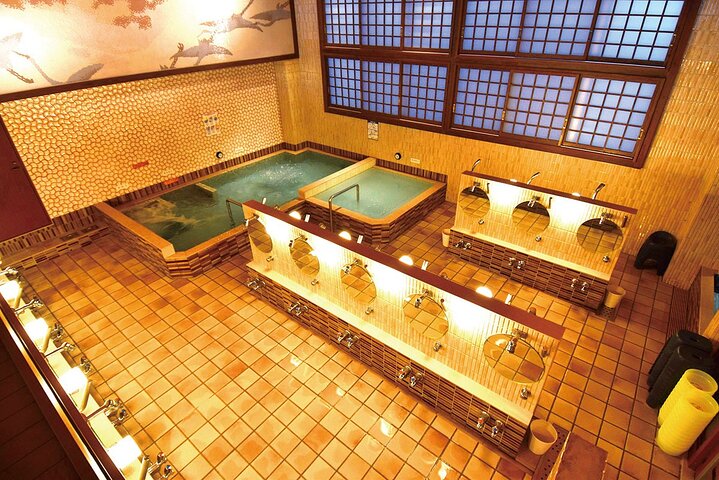 Tokyo Onsen Experience with Local Guide is the best summer-accessible option. The indoor baths are climate-controlled, the guide handles etiquette questions, and you get the cultural experience without the summer humidity of the outdoor mountain baths.
Frequently Asked Questions
Do Japanese people really use onsen in summer?
Yes — Japanese people bathe year-round. Summer onsen visits are less crowded but the strategy changes: morning baths before 9 AM and evening baths after 5 PM avoid peak heat. Some onsen lower water temperature slightly in summer — ask at the front desk. Hokkaido and highland onsen (Kusatsu, Shiga Kogen) stay cool even in August.
What are the best onsen destinations for summer?
Hokkaido (Noboribetsu, Jozankei) and high-altitude onsen (Kusatsu in Gunma, Shiga Kogen in Nagano) stay cool in summer with daytime highs around 25°C. Beppu is hot in summer but sand baths are pleasant in early morning. Avoid Hakone and Kyoto in July-August — the humidity makes outdoor bathing uncomfortable.
Is it safe to use onsen in hot weather?
Yes with precautions. Drink more water than usual — onsen dehydrate you faster in summer. Stay in the bath for 10-15 minutes maximum, not 20. Avoid onsen after heavy sun exposure or drinking — both increase fainting risk. If you feel dizzy or nauseous, get out immediately and cool down in the rest area.
Are onsen cheaper in summer?
Yes. Ryokan rates drop 20-40% from winter peaks. Weekday stays in June or early July offer the best value of the entire year. Public onsen entry fees stay the same (¥400-1,200), but accommodation costs vary dramatically by season. June is rainy season — bring an umbrella but enjoy the lowest prices and fewest crowds.
What should I wear to a summer onsen?
Nothing — bathing is always naked in Japan. The ryokan provides a lighter-weight yukata in summer (cotton or linen). Wear it left side over right. Bring a small towel for sweat on the walk to the bath, and a water bottle. Don't wear sunscreen into the bath — wash thoroughly at the shower station first.
Explore More
Related seasonal guides and onsen comparisons: