When you book through our links, we may earn a commission at no extra cost to you. This does not affect our assessments — I only recommend onsen I have visited myself.
A Personal Note
Two Ways to Bathe, One Hot Spring
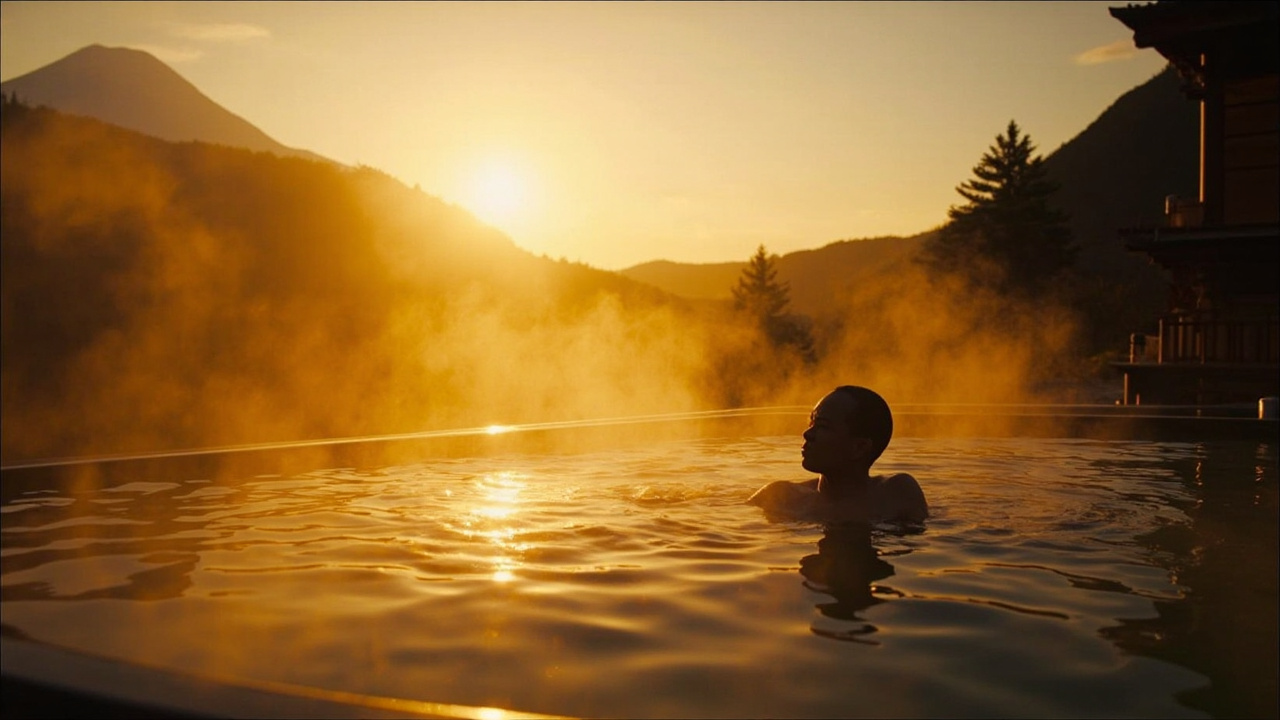
The first time I used a rotemburo in proper winter conditions, I nearly turned back. It was January in Nagano, the air temperature was -5°C, and the 15-metre walk from the indoor changing room to the outdoor bath felt like stepping into a freezer. I stood at the edge of the bath, steam rising into the dark sky, snow landing on my shoulders, and thought: this is absurd. Then I got in. The water was 42°C — the same temperature as the indoor bath I had just left — and within ten seconds I understood why Japanese people have been doing this for over a thousand years. The cold air on your face, the hot water on your body, the snowflakes dissolving into the steam. It is a sensation you cannot get indoors.
In August of the same year, I tried the same rotemburo at 2pm. The sun was directly overhead, the air was 33°C with 80% humidity, and the bath felt like sitting in hot soup on a hot day. I lasted four minutes. No view, no atmosphere — just heat. I went inside to the air-conditioned indoor bath and stayed there for 40 minutes. That is the honest difference: the same outdoor bath can be the best onsen experience of your life in January and borderline unusable in August. The weather dictates everything when you are bathing outdoors.
Side by Side
The Core Difference
A rotemburo (露天風呂) is an open-air bath exposed to the elements — sky, wind, snow, rain, and views. An indoor onsen is enclosed, climate-controlled, and available regardless of weather. Both use the same geothermal water but deliver fundamentally different experiences.
| Factor | Rotemburo (Outdoor) | Indoor Onsen |
|---|---|---|
| Temperature | Water 40-42°C. Air temperature varies dramatically — can be below 0°C in winter or above 30°C in summer | Water 40-42°C. Air temperature consistently warm and humid — no weather exposure |
| Views | Mountain, forest, river, snow, or garden views depending on location. Hakone rotemburo often face Mount Fuji on clear days | Walls and ceiling. Some indoor baths have large windows, but you are fundamentally inside a building |
| Atmosphere | Dramatic, seasonal, connected to nature. Wind, birdsong, snowflakes, rain on the water surface | Quiet, controlled, meditative. The sound of water echoes differently indoors. More intimate in feeling |
| Winter experience | Peak season for rotemburo. Snow + steam is the classic onsen image. The walk between baths is cold but the contrast makes the soak more rewarding | Comfortable year-round. No cold walk between baths. Many ryokan guests use indoor baths as a warm-up before heading outside |
| Summer experience | Can be uncomfortably hot in direct sun, especially midday. Best used early morning or evening. Highland rotemburo stay cooler | Air-conditioned changing rooms, lower humidity, no direct sun. The sensible summer choice for most visitors |
| Rain/snow | Open to rain and snow — this is often considered a feature, not a bug. Snow falling while you soak is the peak experience. Only closes during typhoons or thunderstorms | Weather has zero impact. You can bathe through anything — typhoons, blizzards, heatwaves — without noticing |
| Privacy | Typically more exposed — neighbouring buildings or paths may have sightlines. Some rotemburo have bamboo screens or partial roofing for privacy | Fully enclosed. More private by default, though you are still sharing the bath with other guests |
| Availability | Not universal — many budget ryokan and urban onsen facilities only have indoor baths. Check before booking if rotemburo matters to you | Every onsen facility has at least one indoor bath. The baseline option that is always available |
| Seasonal variation | Dramatic. Cherry blossoms in spring, greenery in summer, red maple leaves reflecting in water in autumn, snow in winter. The same bath is four different experiences | Minimal variation. The indoor experience changes little from month to month — consistent but less memorable |
A Seasonal Guide to Choosing
Winter (December to February): This is when rotemburo truly justifies its reputation. The contrast between freezing air and hot water creates a sensation you cannot replicate indoors. 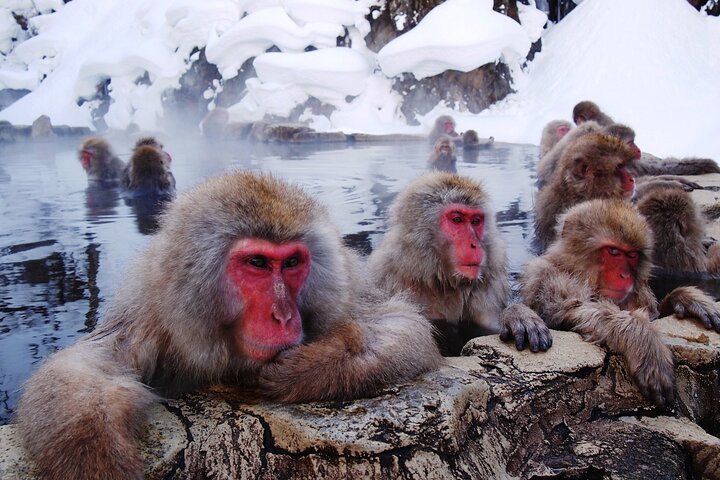 Nagano snow monkey and onsen tours combine Jigokudani's famous bathing macaques with outdoor hot spring visits — the classic winter onsen itinerary. Nagano and Hokkaido are the most reliable for snow. Hakone gets occasional snow but it is not guaranteed. Indoor baths in winter are perfectly comfortable — you will not be cold once you are in the water — but you miss the defining winter onsen experience.
Spring (March to May): Rotemburo surrounded by cherry blossoms are spectacular, but the weather is unpredictable. March can still be cold; May can already be warm. I have been in a Hakone rotemburo in late March with snow flurries one day and in a t-shirt the next. Indoor baths are a reliable fallback. The best strategy: book a ryokan with both indoor and outdoor baths, and decide on the day. 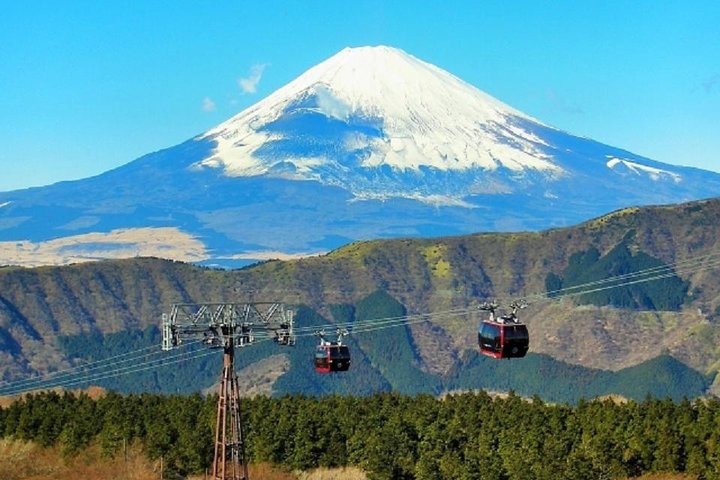 Hakone private onsen sessions let you enjoy rotemburo with cherry blossom views without sharing the bath with strangers — ideal for spring when crowds peak.
Summer (June to August): This is when I switch to indoor baths almost exclusively. The rotemburo experience in July and August — hot water, hot air, direct sun — is not pleasant. Indoor baths have air conditioning, lower humidity, and you can stay in longer without overheating. If you insist on a summer rotemburo, go before 9am or after 5pm when the sun is lower. Highland onsen towns like Kusatsu (Gunma) and Shiga Kogen (Nagano) stay cool enough for outdoor bathing even in midsummer. In Kyushu, Beppu's indoor baths are the summer default — the outdoor baths there can feel like a sauna in August.
Autumn (September to November): The second peak season for rotemburo after winter. Red maple leaves reflecting in the bath water with steam rising around them — this is the image on every onsen guidebook cover and it is genuinely as good as it looks. 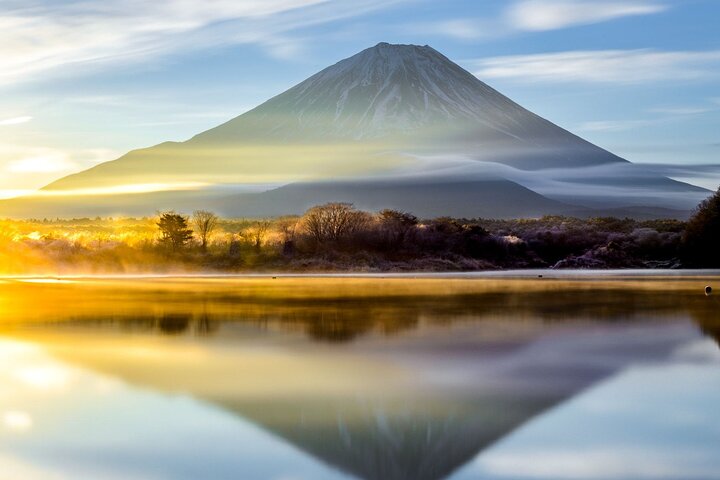 Hakone onsen day tours in October and November give you the foliage experience combined with Lake Ashi views. Hakone and Kyoto are the top foliage onsen destinations but they get crowded — book four weeks ahead or go on a Tuesday. Indoor baths in autumn are a waste of the season. If you are visiting Japan in October or November, book a ryokan with a rotemburo. You will regret it if you do not.
Who Should Choose Rotemburo?
If you are visiting Japan in winter or autumn, a rotemburo is not optional — it is the defining onsen experience. If you are a first-time visitor and only staying at one ryokan, prioritise finding one with an outdoor bath. The snow-on-steam, the autumn maple leaves, even the rain on the water surface — these are the moments you will remember. I have stayed at over 200 onsen and the ones I recall most vividly are all rotemburo: the Nagano bath at -5°C with snow falling, the Beppu outdoor bath at 6am with steam columns rising against a grey winter sky, the Hakone rotemburo in November with red maple leaves floating on the water.
Rotemburo are also the better choice if you want variety across a trip. An indoor bath in Hakone feels similar to an indoor bath in Nagano — walls, ceiling, water, steam. But a rotemburo with Mount Fuji views in Hakone is a completely different experience from a rotemburo in a Beppu geothermal field or a forest rotemburo in Kurokawa. The landscape shapes the experience.
Who Should Stick with Indoor Onsen?
Indoor onsen are the better choice if you are visiting in July or August. The heat and humidity make outdoor bathing uncomfortable, and the air-conditioned indoor facilities are a relief. They are also the sensible choice if you have mobility concerns — the walk between the indoor changing room and outdoor bath can be slippery in winter, and the temperature shock of stepping from a warm room into freezing air is not for everyone.
If you are staying at a budget ryokan or a city hotel with onsen facilities, you may not have a choice — many only offer indoor baths. This is fine. An indoor onsen with good geothermal water is still a excellent experience. Some of my most peaceful bathing sessions have been in indoor baths at 10pm, the room empty except for the sound of water, no wind, no cold, just the mineral-rich heat. Do not feel like you are missing out if you end up with an indoor bath. The water is the same — the ceiling is the only difference.
Indoor onsen are also the smart choice if you want a quick, no-fuss bath. I use indoor baths for daily bathing throughout the year — 20 minutes, consistent temperature, no weather considerations. A rotemburo is more of an event. An indoor bath is the workhorse of Japanese bathing culture, and it works perfectly well.
What to Bring for a Rotemburo
In winter, bring a warm hat — your head is the only part of your body exposed above the water, and a beanie makes a real difference when the air is below freezing. Some ryokan provide thicker yukata and kotatsu (heated tables) in winter, but do not count on it. The small tenugui towel that every onsen provides goes on your head or beside the bath — it is too small to warm you, but keeping your head covered helps.
In summer, bring water. Drink more than you think you need — onsen dehydrate you faster in hot weather, and a rotemburo in direct sun accelerates this. Avoid alcohol before bathing in summer. The combination of heat, dehydration, and alcohol causes fainting incidents every year — the onsen staff have seen it all before, but you do not want to be the foreign visitor they have to carry out of the bath.
My Verdict: Rotemburo When You Can, Indoor When You Cannot
If your trip falls between October and March, book a ryokan with a rotemburo. The seasonal atmosphere — snow, autumn leaves, cherry blossoms — makes outdoor bathing worth the effort. If you are visiting in midsummer, an indoor onsen is the sensible choice and you will be comfortable. If your ryokan only has indoor baths, use them — the geothermal water quality is the same, and a good indoor bath is still a relaxing experience.
The ideal ryokan has both: an indoor bath for quick soaks and warm-up, and a rotemburo for the full experience. This is common at mid-to-high-end ryokan in Hakone, Beppu, and Nagano. If you can only choose one type for a single stay, prioritise rotemburo in the cold half of the year and indoor in the warm half. It really is that simple.
Featured Onsen Experiences
Hakone Private Onsen with Rotemburo Access
Private outdoor bath session in Hakone with mountain views. 50-minute slot, includes yukata and towel set. Excellent rotemburo with Mount Fuji visible on clear mornings.
Hakone Full-Day Onsen and Lake Ashi Tour
Combined rotemburo session, Lake Ashi pirate cruise, and Hakone Tozan Railway ride. Includes both indoor and outdoor bath access. The autumn foliage version is spectacular.
Keep Reading