Comparison
Rotenburo vs Indoor Onsen
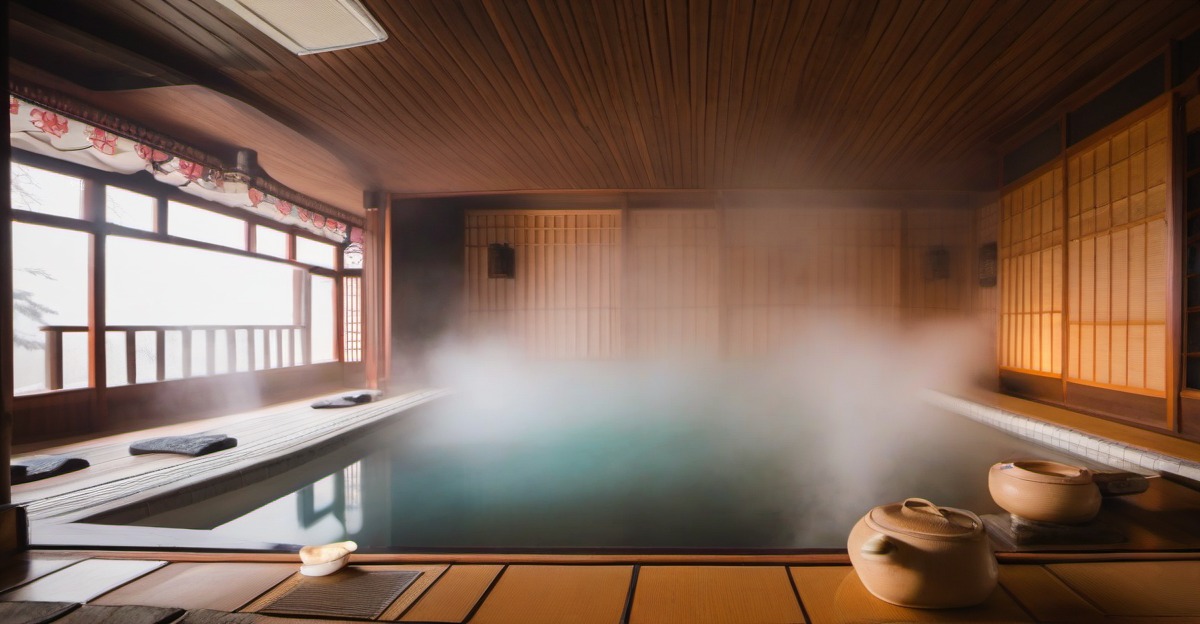
>
The verdict, in one line: indoor onsen is for the water. Rotenburo is for the experience.
We earn a commission when you book through our Viator links, at no extra cost to you.
The short version
Both baths draw from the same mineral spring, so the water that touches your body is the same. What changes is everything around you. A rotenburo puts you in the open air, where the temperature of the water and the temperature of the world are at odds, and that tension is the whole point. An indoor bath removes the world and leaves you alone with the heat.
If you can only pick one, the indoor bath is more reliable. If you have time for two, do them in sequence at a connecting-bath facility: indoor first, outdoor second.
What a rotenburo actually is
A rotenburo (露天風呂) is an outdoor bath. The best outdoor baths face a garden, a mountain, or the ocean. You soak in 42-degree water with snow falling on your shoulders, or with cherry blossoms drifting onto the surface, or with cicadas buzzing at dusk in midsummer. Nothing about a rotenburo is climate-controlled, and that is why people travel for it.
The contrast between the warm water on your body and the cooler air on your face, neck, and shoulders is a sensation no indoor room can reproduce. On a sub-zero winter morning in Akita, with snow settling on the bath rim and steam rising two metres off the surface, that contrast becomes the whole point of the trip. On a humid summer evening in Hakone, with a mountain breeze coming off the cedars, it becomes something softer but equally distinct.
What an indoor onsen actually is
An indoor onsen is consistent, predictable, and climate-controlled. There is no wind, no rain, and no leaves in the water. The room is warm before you enter and warm when you leave. The bath water still comes from the same volcanic source, so the minerals are identical to those in the property's outdoor pool. What changes is everything except the water.
For a quiet, uninterrupted soak, or for a first-time visitor who wants to focus only on the sensation of the water rather than on the weather and the view, indoor bathing is the calmer choice. Many experienced bathers use the indoor pool as a warm-up before moving to the outdoor pool. The water is hot either way. The difference is the room you are soaking in.
How they compare
| Rotenburo (outdoor) | Indoor onsen | |
|---|---|---|
| Setting | Open air, facing a garden, mountain, or ocean | Enclosed room, no view of the outside |
| Water | Same volcanic mineral spring | Same volcanic mineral spring |
| Climate | Wind, rain, snow, and falling leaves reach the bath | Climate-controlled, no weather |
| Consistency | Changes with the season and the day | Consistent and predictable |
| Privacy | Varies by facility | Private and quiet |
| Best for | The experience | The water |
Best seasons
A rotenburo is at its best in winter, when snow falls into the steam. The next-best month is late October and November for autumn foliage. These are the moments the outdoor setting was built for. An indoor onsen is a year-round choice, unaffected by the weather outside, which makes it dependable in summer heat or heavy rain when an outdoor soak is less comfortable.
That said, summer rotenburo at altitude, Hakone in the evening, or higher in the Japan Alps, is one of the underrated versions. The cool air is what makes the warm water work in July. Many regulars prefer a summer outdoor soak to a winter one because of the temperature contrast.
The best of both
Many onsen ryokan have both, an indoor bath connected to an outdoor bath by a sliding door. You wash inside, soak inside for five minutes, then slide the door open and step into the rotenburo. The shock of cold air followed by the deeper heat of the outdoor water is the best onsen sequence available. If you can only choose one facility, choose one that offers both, and follow that order.
The connecting-bath setup is also the right answer for travelers with tattoos. Many tattoo-friendly ryokan have a single shared mixed-gender rotenburo connected to the indoor baths, or operate rotemburo for private booking that lets you soak alone. Connecting-bath facilities that I have personally used in the past three years include Yama no Chaya in Hakone, Tsurunoyu in Nyuto Onsen, and Kikusui in Nozawa Onsen.
Which should you choose?
If you want to feel the season on your skin while the mineral water works on your body, book a rotenburo. If you want a calm, private soak with no variables, choose an indoor bath. And if you want the full range of what an onsen can be, find a facility with a connecting door and move from one to the other in the order described above.
Book a rotenburo experience
The Viator listings below cover outdoor rotenburo experiences in Hakone, Beppu, and Kusatsu, plus ryokan stays with private rotenburo access. Most are bookable year-round, with the highest availability in autumn and winter.
Book an Outdoor Rotenburo Experience →
Frequently asked
What is a rotenburo?
An outdoor onsen bath. The water is the same volcanic hot spring as the indoor bath at the same property, but the setting is open sky.
What is the difference between a rotenburo and an indoor onsen?
Same water, different room. A rotenburo is exposed to weather. An indoor onsen is enclosed. Most properties have both.
Is the water different?
Almost always no. The plumbing at a Japanese ryokan feeds both baths from the same source. A small number of high-end properties source the outdoor bath from a separate spring, but that is unusual.
Which is better for first-timers?
Start indoors, then move outdoors. The indoor bath is more forgiving. The outdoor bath is more memorable.
When is the rotenburo at its best?
Winter with snow. Autumn with foliage. Early morning before day visitors arrive. Dusk in summer with cicadas.
Related: Outdoor vs indoor bath · Sento vs onsen · Onsen types · Hakone onsen
By Emi Kato, onsen specialist. Twelve years documenting Japan's hot springs from a base in Kyoto. The rotenburo/indoor distinction is universal across Japanese onsen towns. Differences in water mineral profile, washing station layout, and pool etiquette are covered in the regional guides.
Hot Spring Beppu Onsen with Blue Hell cozy Tour by Car and walk
Explore Beppu, one of the world’s top hot spring towns, with a friendly local guide by car. Visit Umi Jigoku and walk through the historic Kannawa Onsen area fi
Check availabilityExplore More
Related guides and comparisons: