Hakone Onsen
Hakone Onsen: Hot Springs with Mount Fuji Views
>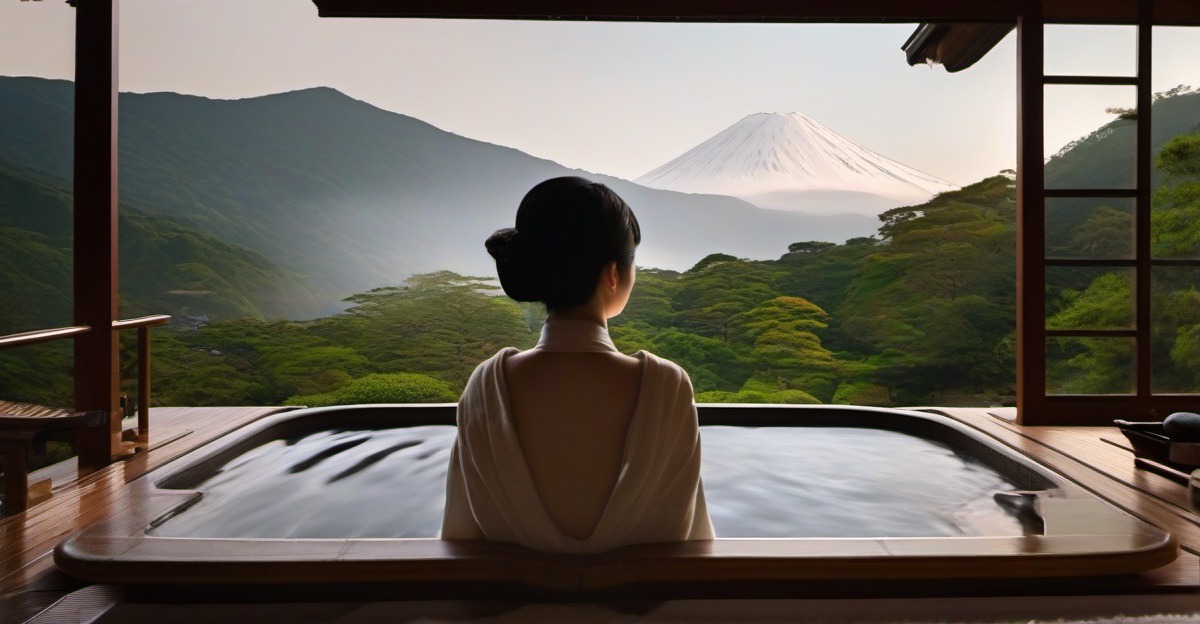
The closest onsen escape to Tokyo, and the easiest place for an international visitor to combine a hot spring bath with a Mount Fuji view.
We earn a commission when you book through our Viator links, at no extra cost to you.
Why Hakone works for first-time visitors
Hakone is the onsen town international visitors default to, and for good reason. It is 90 minutes from Shinjuku by Odakyu Romancecar (about 2,300 yen one way) or by regular Odakyu rapid service for around 900 yen. The Hakone Free Pass bundles trains, the ropeway, the Lake Ashi pirate cruise, and most buses into a single ticket that saves real money if you plan to do the circuit.
Geographically Hakone sits inside the Fuji-Hakone-Izu National Park, an hour of mountains and cedar forest southwest of Tokyo. That geography matters for two reasons. First, the elevation gives you clear morning views of Mount Fuji on roughly half of all days, especially October through February. Second, the volcanic activity that fuels Mount Hakone feeds dozens of hot springs with distinct mineral profiles: sulfur-rich alkaline water at the higher sources, softer calcium-sodium water closer to Yumoto.
For an international visitor, Hakone also works because the infrastructure is geared toward non-Japanese guests. Many ryokan offer English check-in. Bathing instructions are usually posted in English. The Hakone Open-Air Museum, the ropeway, and the Lake Ashi cruise are all set up for sightseers. You do not need to speak Japanese to enjoy it.
The tattoo question, answered honestly
Tattoo policies in Hakone are not uniform. Three notable properties to know:
- Yama no Chaya (Hakone Yumoto area). Tattoos are covered with stickers, which the property provides. Confirmed tattoo-friendly for guests whose tattoos are not on the face or hands.
- Tenzan Toji Kyon (in Hakone). Tattoo-friendly across shared baths. One of the most foreigner-welcoming large ryokan in the area.
- Yumoto Fujiya Hotel (Hakone Yumoto). Does not allow visible tattoos in its communal baths. Private bath rentals (kazoku-buro) are an option if you stay here.
Two practical notes. First, if a property says "tattoos not allowed" in the shared bath, almost every Hakone ryokan offers either a private bath reservation or an in-room bath that bypasses the rule. Second, if your tattoo is small enough to cover with a 10cm by 10cm sticker, many places relax instantly. Buy a sheet of seals at a Don Quijote before you go.
Always confirm with the property the day before. Policies change.
Day trip vs overnight ryokan
A day trip from Tokyo is fully doable. Take the 7am Romancecar from Shinjuku, arrive 8:30am, do the classic loop (ropeway, Owakudani, Lake Ashi cruise, onsen stop), and return by 7pm. Budget for one proper bath, not three rushed ones. Yumoto Fujiya's day-use bath is foreigner-tested. Tenzan Toji Kyon has a day-use option if you book ahead.
An overnight ryokan stay is the version that converts skeptics. You arrive mid-afternoon, change into a yukata, eat kaiseki at 6:30pm, bathe at 9pm when the corridors are quiet and most day visitors are gone, sleep on a futon, bathe again at 6:30am as the light comes through the cedars. Prices run from about 12,000 yen per person for a basic ryokan with shared bath up to 45,000 yen for a luxury kaiseki plan with a private outdoor bath. The Hakone destination price point in 2026 averages around 22,000 yen per person for a comfortable mid-range plan including dinner and breakfast.
If you have only one Tokyo onsen outing, overnight wins. If you have a week in Tokyo and want a day trip, Hakone is the right pick.
Getting there, step by step
- From Shinjuku, take the Odakyu Romancecar (reserved seat, 2,470 yen) to Hakone-Yumoto. Ninety minutes, no transfers.
- From Hakone-Yumoto, transfer to the Hakone Tozan Railway toward Gora. About 40 minutes up a switchback mountain railway.
- From Gora, take the Hakone Ropeway to Owakudani (the sulfur valley). Walk the short loop, eat a black egg, look for Fuji.
- From Owakudani, ropeway onward to Togendai. Board the pirate cruise across Lake Ashi. The eastern-facing side of the boat is where Fuji shows up.
- Onward to Moto-Hakone or Onsen-ba-ai stop for a bath. Return to Yumoto via the Hakone Tozan Bus.
The full circuit takes 5 to 7 hours. The Hakone Free Pass (6,100 yen for adults departing from Shinjuku, including the Romancecar discount) covers everything except the Romancecar surcharge.
When to go
Late October through early December is peak foliage season. Mountains turn amber and red, Fuji shows up on cold mornings, and the public bath windows frame maple and cedar color. It is also the busiest period. Book ryokan two months ahead for autumn weekends.
January and February are cold but excellent for Fuji views. The combination of low humidity and winter storms scrubbing the air gives some of the clearest mountain views of the year. Bath temperature stays the same regardless of season.
July and August are underrated. Morning fog burns off by 10am, ryokan prices drop 30 percent, and the outdoor bath after a humid day is one of the genuinely great experiences Japan offers.
Book a Hakone onsen experience
Hakone onsen experiences range from 1,200 yen for a day-use public bath to 35,000 yen for a luxury private rotemburo session with kaiseki. The Hakone page on Viator covers day trips from Tokyo, ryokan stays with private baths, and guided circuits.
Frequently asked
Can I do Hakone as a day trip from Tokyo?
Yes. Hakone-Yumoto is 90 minutes from Shinjuku. Most visitors do Hakone as a day trip and feel fine. Overnight stays are better but not required.
Do Hakone onsen accept tattoos?
Some do, some do not. Yama no Chaya covers tattoos with stickers, Tenzan is tattoo-friendly, Yumoto Fujiya does not allow visible tattoos in shared baths. Call ahead to confirm. Private and in-room baths bypass the policy at most properties.
When is the best time to see Mount Fuji from Hakone?
Early morning, October through February. Cold, clear winter mornings give the most reliable views.
How much does a Hakone ryokan cost?
12,000 to 45,000 yen per person including dinner and breakfast. Day-use baths run 1,200 to 2,500 yen per person.
Related: Onsen etiquette for first-timers · Beppu onsen guide · Hakone vs Beppu
By Emi Kato, onsen specialist. Twelve years documenting Japan's hot springs from a base in Kyoto. On-site visits across Hakone, Beppu, Tokyo, and Kyoto. Tattoo policies verified by phone.
Hakone Luxury Onsen Private Tour
Hakone Luxury Onsen Private Tour offers a relaxing full day journey through Hakone's breathtaking natural landscapes, scenic viewpoints, and authentic Japanese
Check availabilityExplore More
Related guides and comparisons: