Noboribetsu Onsen
Noboribetsu Onsen: Hokkaido's Volcanic Hot Spring Town
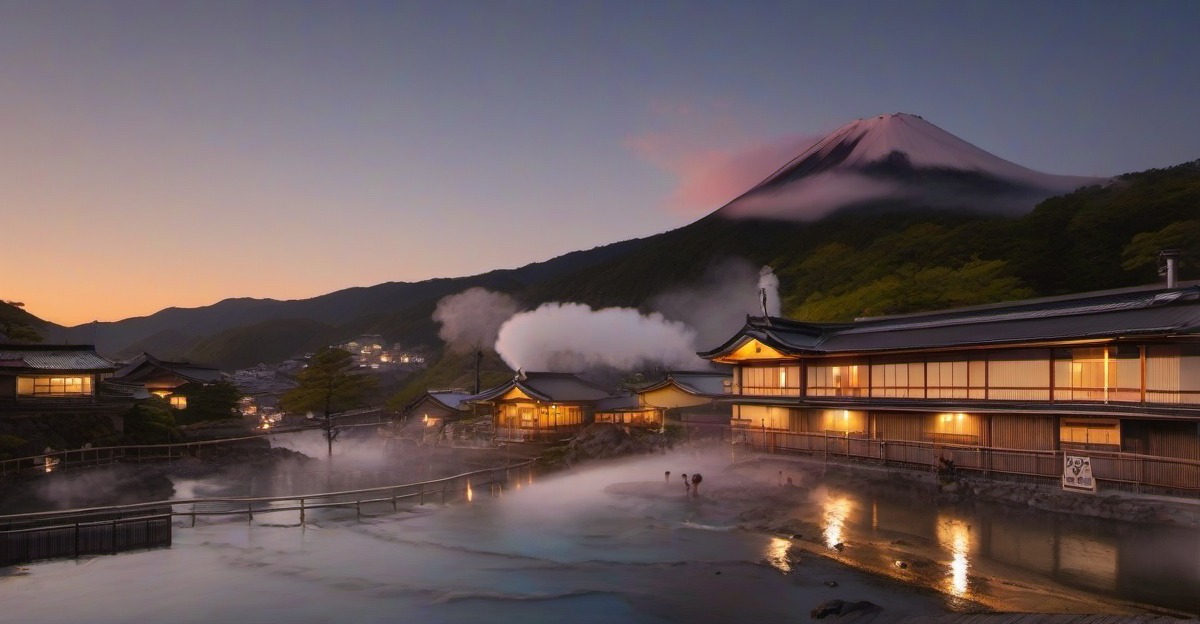
>
The most famous onsen town in Hokkaido, sitting on top of an active volcanic caldera with nine distinct mineral spring types and ryokan at every price point.
We earn a commission when you book through our Viator links, at no extra cost to you.
Why Noboribetsu works
Noboribetsu is Hokkaido's flagship onsen town, and the reason comes down to geology. The town sits in a caldera of an active stratovolcano, Mount Hiyoriyama being a sulfur vent that gives the entire valley its dramatic look. Hot water emerges from the ground in nine chemically distinct mineral profiles. Most Japanese onsen towns have one, two, sometimes three different spring types. Noboribetsu has all of them within walking distance of each other.
The result is a town that feels different from other onsen destinations. Where Hakone is a holiday circuit and Kusatsu is a single dramatic hot-water field, Noboribetsu is a working sulfur-mining region turned into a hot spring resort. The smell is unmistakable. The steam comes up through pavement grates. The whole town smells faintly of boiled egg. If you want to understand what a volcanic onsen actually means, this is the place.
The nine spring types
The water at Noboribetsu comes in nine commercial varieties, each from a different source on the caldera's edge. They differ in mineral content, color, and therapeutic claim:
- Sulfur, the headline water. Clear, faintly green, faint egg smell, claimed for skin conditions.
- Iron, rust-red. Distinctly orange when it oxidizes. Claimed for circulation.
- Sodium bicarbonate, clear, soft water. Claimed for after-sport recovery.
- Alum, astringent, slightly cloudy. Claimed for skin tightening.
- Sulfate, clear, slightly bitter. Claimed for circulation.
- Carbon dioxide, naturally carbonated, with visible bubbles rising to the surface.
- Radioactive (radium), clear and slightly radioactive. Claimed for joint pain.
- Calcium-magnesium, clear, neutral. Claimed for general relaxation.
- Salt (sodium chloride), slightly salty, claimed for warming the body from inside.
Realistically you will bathe in two or three of these during a normal visit. Most major ryokan source their outdoor baths from sulfur and their indoor baths from sodium bicarbonate. The famous Jigoku-dani (hell valley) walk lets you see all nine sources by name, which is the gentlest way to grasp what an active caldera's plumbing looks like.
Hell valley walk
The walk through hell valley (Jigoku-dani) is the central Noboribetsu experience and one of the few geological sights in Japan where you can view a working onsen source at close range. The trail is about a kilometre round trip on a paved walkway, with steam vents, fumaroles, and bubbling mud pools on both sides. The smell is sulfur. The scenery is dramatic in any season, autumn colors, snowfields, or summer greenery, and the trail is well-maintained.
Allow 45 to 60 minutes for the walk. After dark, the trail is illuminated and the steam looks theatrical in the lighting. Many visitors do the trail twice, once in daylight and once after dinner.
Day trip from Sapporo
Noboribetsu is reachable as a long day trip from Sapporo. Take the 8am JR Hokuto limited express from Sapporo, arrive Noboribetsu at 9:10am, walk the hell valley, eat lunch at the ryokan or the hot spring street, do one major bath, and return on the 4pm train. The whole thing works in a single day, and many Hokkaido itineraries do exactly this.
An overnight stay at a Noboribetsu ryokan is better. The town is at its most atmospheric after dark, when the main street clears out and the ryokan outdoor baths are mostly empty. Most properties include dinner and breakfast, and the kaiseki at the larger ones draws on Hokkaido's seafood strength, sea urchin, scallop, hairy crab.
Ryokan picks at three price points
Three ryokan I have stayed at in Noboribetsu in the past two years, with honest takes:
- Dai-ichi Takimotokan. Mid-range, the largest ryokan in town with five pools including a mixed-gender rotenburo (rare in Noboribetsu). English-friendly front desk. Tattoo-friendly across most pools. Plan on 18,000 to 28,000 yen per person for one night with two meals.
- Noboribetsu Onsen Kyujima. Public bath complex plus ryokan. The day-use bath here is the most foreigner-tested option in town and accepts sticker tattoos without question. 8,000 yen day-use entry, or stay overnight from 14,000 yen.
- Mahoriku. High-end, the most luxurious ryokan in Noboribetsu. Private outdoor baths in some room categories, kaiseki dinner that punches above its weight, tattoo-friendly. Plan on 45,000 to 65,000 yen per person for the full package.
Best season for a visit
Autumn, mid-October to early November, is Noboribetsu's peak foliage window. The maples along the hell valley trail turn crimson and gold, the steam rises against orange leaves, and the photograph you take on a clear morning at 9am is the kind that ends up on the cover of a brochure. Book well ahead for late October.
Winter, January to February, is also strong. Snow covers hell valley, the sulfur steam rises higher and thicker against cold air, and the outdoor pools are warmer by contrast. Many Japanese guests consider winter the proper Noboribetsu season.
Summer, July and August, is underrated. Hokkaido temperatures rarely break 28 degrees even in August, so an outdoor bath at dusk is genuinely comfortable, and the night-time illumination of the hell valley walk is the best in summer.
Tattoo policy summary
Noboribetsu has one of the more foreigner-friendly tattoo policies in Japan. Most ryokan in town will accept tattoo stickers, and the major high-end properties (Mahoriku, Park Hotel) accept tattoos outright in their private baths. The Dai-ichi Takimotokan is the most reliably foreigner-friendly large property in town. For day-use, the Noboribetsu Onsen Kyujima complex accepts stickers. There are no immediate policy changes expected as of 2026.
Getting there, step by step
- From Sapporo, JR Hokuto limited express to Noboribetsu Station. About 70 minutes, hourly in daytime.
- From Noboribetsu Station, the Donan Bus runs to the onsen town (15 minutes, 340 yen) or a taxi runs the same route for about 1,800 yen.
- Most ryokan offer free pickup from the station if you call ahead.
- From New Chitose Airport, direct buses to Noboribetsu Onsen run roughly hourly during the day, 90 minutes, around 1,800 yen.
Book a Noboribetsu onsen experience
Viator lists day trips from Sapporo with hell valley walk included, plus overnight ryokan packages with guaranteed private bath. The Noboribetsu listings below are bookable year-round.
Book a Noboribetsu Day Trip from Sapporo →
Frequently asked
How do I get to Noboribetsu from Sapporo?
JR Hokuto limited express, 70 minutes, hourly. Round trip about 7,000 yen.
Can I do Noboribetsu as a day trip?
Yes. Take the 8am train, walk hell valley, do one bath, return on the 4pm. Staying overnight adds an evening bath and kaiseki dinner.
Is Noboribetsu tattoo-friendly?
Most major ryokan are. Dai-ichi Takimotokan and Mahoriku accept tattoos in private baths. The Kyujima day-use accepts sticker tattoos.
When is the best time to visit?
October and November for foliage. January and February for snow. July and August for cool Hokkaido evenings.
Why does it smell like boiled eggs?
Sulfur. The mountain above the town is venting hydrogen sulfide gas. The smell fades within an hour of leaving the area.
Related: Hakone onsen · Beppu onsen · Kusatsu onsen · All destinations
By Emi Kato, onsen specialist. Twelve years documenting Japan's hot springs from a base in Kyoto, with regular trips north to Hokkaido. The Noboribetsu recommendations reflect stays in late autumn and February. Summer and winter both work; the foliage window draws the largest crowds.
Beppu Hot Springs Bath and Make Jigokumushi Dish in Kyushu Japan
Complete Steam Bath Experience Plan Dropping Favorite Ingredients Into Hell-Eat Them and Go to Heaven. Purchase vegetables and other ingredients at local superm
Check availabilityExplore More
Related guides and comparisons: