Summer Onsen
Summer Onsen Strategy: Hot Springs in Hot Weather
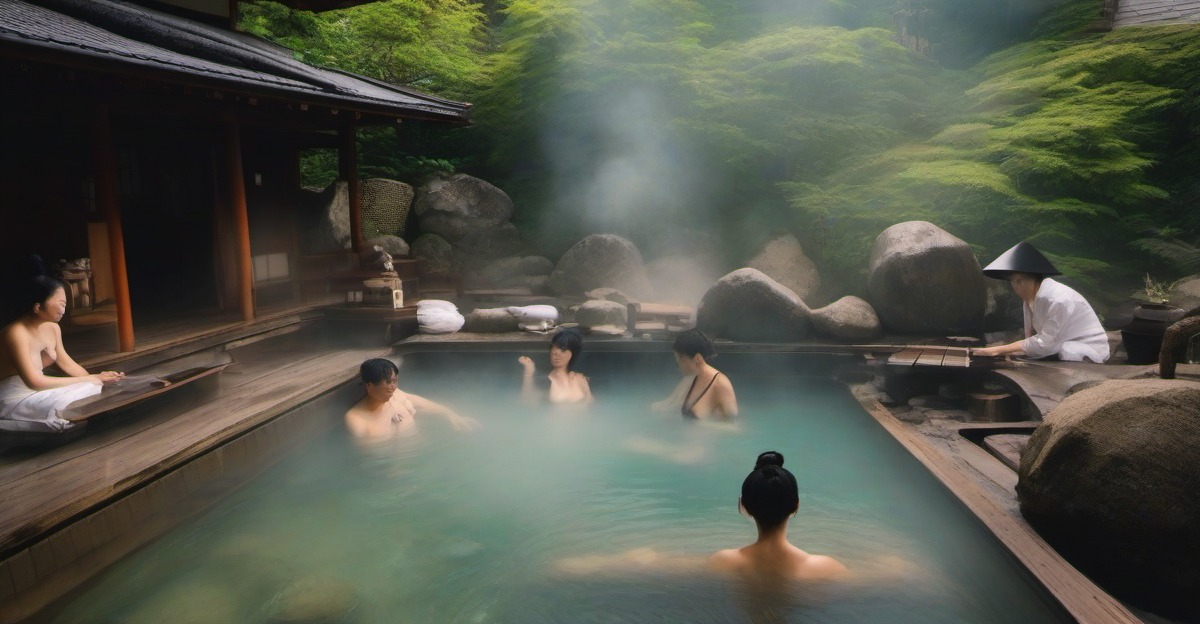
>
Yes, you can onsen in July and August. The trick is not to fight the heat. It is to work with the rhythm of the day and choose the right kind of bath for the season.
We earn a commission when you book through our Viator links, at no extra cost to you.
Go at dusk
The single most important move is timing. Skip the midday soak and go at dusk, when the air temperature drops and the day loosens its grip. An evening onsen in summer, with cicadas buzzing and the first stars appearing, is a completely different experience from a winter soak. You are not battling the sun. You are settling into the cool of the evening while the water does its quiet work.
There is a reason regulars swear by the twilight hour. The contrast between warm water and cooling air is exactly what makes the bath feel restorative rather than oppressive. Step out, let the breeze reach your skin, then step back in. That cycle is the whole pleasure of a summer onsen, and it only really works once the heat of the day has broken.
Choose the right bath
Not every onsen is equal in July and August. Two options make summer bathing comfortable rather than sweaty.
First, look for an indoor onsen with air conditioning in the changing room. The bath itself is hot, but the space where you cool down, dry off, and dress is climate controlled, which changes everything about how you feel afterward. Tokyo properties like Thermae-Yu and many of the larger Hakone ryokan offer this. The bath is hot, the room around it is not, and that is the right ratio in summer.
Second, go up. An outdoor onsen at high altitude sidesteps the lowland heat entirely. Hakone and Kusatsu are noticeably cooler than Tokyo, so an open-air bath in the hills feels crisp in the evening even at the height of summer. The higher you climb, the more an outdoor soak makes sense, and the mountain air becomes part of the appeal rather than something to endure.
Cool-region picks
A few destinations I genuinely recommend for summer, all of which I have soaked at in July or August in the past three years:
- Hakone, 90 minutes from Tokyo, 600 to 800 metres above sea level, ten degrees cooler than the city. The classic rotenburo with Mount Fuji views works in summer if you go at dusk. The Tenzan Toji Kyon tattoo-friendly policy holds. Day-use baths available.
- Kusatsu, 1,200 metres up in Gunma. The yubatake (hot water field) is lively in summer evenings, and the Sainokawara open-air rotemburo is one of the best outdoor baths in Japan for a dusk soak. Cooler than Tokyo by ten degrees. Three hours by train, longer by car.
- Nozawa Onsen, Nagano, 500 metres elevation but with cool alpine air. Famous as a winter ski town, underrated in summer. The outdoor baths along the river are free for guests and visitors. Combine with hiking in the surrounding mountains.
- Nyuto Onsen, Akita, deep in Towada-Hachimantai National Park. Genuine mountain summer, cold nights even in August. Tsurunoyu and Taenoyu are the standout ryokan. Plan to stay one or two nights.
The footbath strategy
If a full-body soak still feels like too much on a scorching afternoon, there is a gentler route. Ashiyu, or foot baths, are free and common throughout onsen towns. You soak your feet without overheating your whole body, which means you get the warmth, the mineral water, and the ritual without the sweat. It is the ideal way to sample a hot spring town in daylight before committing to a proper bath after sunset.
Footbaths also make onsen towns walkable in summer. Stroll the main street, stop at an ashiyu when your feet tire, rest for ten minutes, then carry on. Because they cost nothing, you can hop from one to the next, treating them as free rest stops woven through your afternoon rather than a single destination.
Put it together
The summer plan writes itself. Arrive in the afternoon and use the free footbaths to explore. Retreat from the midday heat, a museum, a cafe, a long lunch. Then, as the light softens, head for a high-altitude open-air bath or an indoor onsen with a cool changing room, and let dusk do the rest. Done this way, summer is one of the best seasons to visit onsen country, quieter than winter and alive with the sounds of the season.
Book a summer onsen experience
If you would rather not plan the timing yourself, Viator lists day trips and overnights to Hakone, Kusatsu, and other cool-region towns with English-speaking staff and guaranteed private bath slots. Most summer departures leave Tokyo by 9am and return by 8pm.
Book a Summer Onsen Highlands Experience →
Frequently asked
Is it worth going to an onsen in summer?
Yes, especially at altitude. Hakone, Kusatsu, Nozawa Onsen, and Nyuto are noticeably cooler than Tokyo or Osaka, and an outdoor soak at dusk in late July is one of the quietly great experiences Japan offers.
What time should I go?
Late afternoon into dusk. Aim to enter the bath about an hour before sunset, soak until the stars come out, then eat dinner. Midday soaks in July and August are uncomfortable for most guests.
Indoor or outdoor in summer?
Both, on the same day if possible. Indoor with air-conditioning in the morning. Outdoor at dusk. The outdoor bath is more memorable. The indoor bath is more reliably comfortable.
Tattoos at summer onsen?
Generally fine at tourist-friendly facilities and high-altitude towns. Tenzan Toji Kyon in Hakone, most Kusatsu properties, and the larger Tokyo sento relax their policies. Local neighborhood sento are stricter. Cover stickers help.
What should I wear to an onsen?
The same thing you would wear in winter. There is no dress code, no swimwear, and no comfortable option other than being nude in the bath.
Related: Hakone onsen · Kusatsu onsen · Winter onsen · Etiquette
By Emi Kato, onsen specialist. Twelve years documenting Japan's hot springs from a base in Kyoto. The summer strategy covered here holds across most of Japan's onsen towns. Regional exceptions, Beppu's summer humidity, the Okinawan onsen off-season pattern, are noted in the regional guides.
Beppu Private Tour - Onsen Experience in nature
[Hot Spring Experience in Nature + Jigokumushi Steamed Snacks Experience Plan] Enjoy a hot spring experience immersed in the natural environment of a bamboo gro
Check availabilityExplore More
Related guides and comparisons: