Winter Onsen Experiences
Winter Onsen Experiences: Snow, Steam, and the Cold Air Bath
>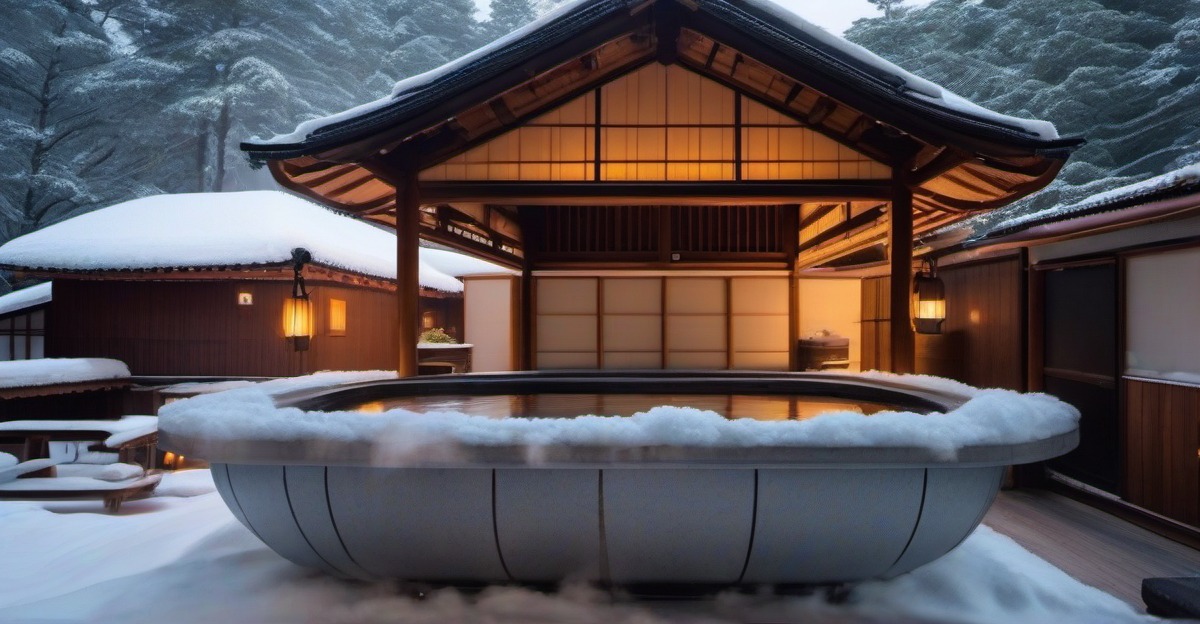
Everything about winter makes an onsen better. The steam rises higher and thicker against the cold. The water feels hotter than it does in summer because the air around it is colder. Snow muffles the valley into quiet. The only sound is water moving and snow settling on the rocks.
We earn a commission when you book through our Viator links, at no extra cost to you.
Why winter onsen is the headline season
In any season, an onsen is a 42-degree bath. The water does not change. What changes is the relationship between the water and the world around it, and winter changes everything. The steam rising off a hot pool in sub-zero air behaves like nothing steam at 30 degrees behaves like. It climbs two metres off the surface before thinning. It catches the morning light. It settles on anything it touches, hats, hair, the stones around the bath, even bathers, and creates a constant fine mist of refrozen water that gets on everything.
The contrast between hot water and cold air is what makes the outdoor bath work in winter. A bath at 25 degrees ambient temperature feels warm. A bath at minus 5 degrees ambient temperature feels unforgettable. You pull yourself out and the air stings your face, your shoulders, your chest, while your submerged body stays warm. Then you slip back in and the warmth is total. That cycle, out, in, out, in, is the whole experience, and winter makes it as intense as it gets.
If you have only ever bathed in an onsen in warm weather, you have not really had the experience.
Where to see snow onsen
Eight properties I have stayed at in winter that do the snow-rotenburo experience well, in order from closest to Tokyo to furthest north:
- Hakone Yama no Chaya. 90 minutes from Tokyo, occasional snow in January and February. When snow is falling, the private outdoor bath with mountain view is one of the closest snow onsen to Tokyo. From 22,000 yen with two meals.
- Hakone Tenzan Toji Kyon. Tattoo-friendly, mixed outdoor pool, occasional snow. A reliable option for short trips. From 14,000 yen.
- Kusatsu Sainokawara. 1,200 metres elevation in Gunma, deep snow December through March. Outdoor rotenburo complex with snow accumulation. From 16,000 yen.
- Shiga Kogen (Nagano). Ski resort area with traditional onsen. Cheap, basic, in-resort. Combine with skiing. From 9,000 yen per person.
- Nozawa Onsen (Nagano). Famous ski town with thirteen free outdoor bath houses scattered through the village. Public, foreigner-welcoming, deep snow. From 12,000 yen per person for ryokan.
- Myoko Kogen (Niigata). Deep snow, off the main tourist route. Most ryokan have outdoor pools. From 16,000 yen per person.
- Nyuto Onsen Tsurunoyu (Akita). The headline Tohoku bath house. Mixed outdoor pool with snow falling into the bath. Mountain setting. From 16,000 yen with two meals.
- Sukayu Onsen (Aomori). Famous 1,000-person bath high in the Hakkoda mountains. Winter only accessible by snowcat or snowmobile. Multi-hour soak tradition. Sticker-friendly. Day-use 1,200 yen.
Each of these is a different version of the same experience. None is perfect. Some are basic public bath houses, others are luxury ryokan. Pick based on how far you want to travel and how much you want to spend.
What to expect at a snow onsen
For the international visitor, the snow-rotenburo experience follows a predictable rhythm:
- Arrive at the ryokan mid-afternoon. The property may have a private bath slot pre-booked, or you sign up for one in the evening.
- Change into the yukata, slippers, and a winter coat (the ryokan lends one). Walk to the bath corridor with your towel and toiletries in a small basket the property provides.
- At the bath, undress in the heated changing room. Wash thoroughly at the shower stations. Step out to the outdoor pool.
- The outdoor bath is exposed to the sky. There may be snow on the surrounding stones. Step in slowly, the water is 40 to 42 degrees and the contrast with cold air is jarring on first entry.
- Soak for 10 to 15 minutes. The cold-air shock is part of the point. Look up at the steam. Look at the snow if it is falling. Listen to the silence.
- Step out. Wrap yourself in the small towel, walk back through the cold section (often only a few metres), and into the indoor warming space. Sit on a bench, dry off, sip water.
- Repeat for another round if the bath is not busy, or move on to dinner.
Total time in bath and changing area: 30 to 45 minutes for one session. Most guests do two sessions per evening.
The morning bath
Most experienced bathers I know rate the early morning outdoor bath as the highest peak of the winter experience. The reasons are practical: bath is open before breakfast, no one else is there, the light is still blue, the steam is most photogenic, and the contrast between hot water and -5°C air is sharpest before the day begins to warm. Many ryokan open the bath at 5am or 5:30am in winter. Set your alarm. The bath at 6am with snow on the stones is the one you remember in March.
Snow onsen for the non-skier
Winter is the slowest season for Japan tourism outside of ski regions, which means the snow-country onsen towns are quieter than at any other time of year. If you want a winter onsen experience without skiing, the options are:
- Kusatsu. 3 hours by train from Tokyo. No ski resort, but reliable snow January to mid-March. Easy access, deep snow.
- Nozawa Onsen. Ski resort, but the onsen side is independent of skiing. The thirteen outdoor bath houses are open year-round and free. You do not need to ski.
- Nyuto. 6 hours from Tokyo by train, but a single bus transfer from Tazawako Station. The most atmospheric snow onsen in Japan.
- Noboribetsu. 90 minutes by air from Tokyo to Sapporo plus an hour's drive. Volcanic valley in deep snow conditions.
Of these, Kusatsu and Nyuto are my two picks for the no-ski winter onsen trip.
Tattoo policy in winter onsen
Most snow-country ryokan are tattoo-friendly. Cold-water hot-pool experience has historically been less restricted than city sento. Specific notes:
- Hakone properties: sticker-friendly in private baths, mixed policy in shared.
- Kusatsu properties: sticker-friendly across most pools.
- Tohoku properties (Nyuto, Sukayu, Hakkoda): most accept stickers or tattoos outright.
- Niigata/Myoko properties: sticker-friendly across most.
Always confirm with the property the week before. Policies change. Most ryokan accept a phone call or email about tattoos without issue.
Book a winter onsen experience
Viator lists snow-country ryokan stays at Hakone, Kusatsu, Nozawa, and Tohoku properties, plus day trips to mountain onsen from Tokyo with guaranteed winter access. The listings below are bookable from December through March.
Book a Winter Snow Onsen Experience →
Frequently asked
Best time for snow onsen?
January to early March across most mountain onsen towns. Late December is too early for deep snow at lower elevations. Late March is melting everywhere except the highest mountains.
Snow onsen near Tokyo?
Not reliably. Hakone sees occasional snow but not consistent. For the actual snow-bath experience, travel 2 to 4 hours by train into the mountains.
Cold getting to the bath?
Yes, that is the famous part. The properties give you a yukata, slippers, and a small umbrella. The cold section is brief by design.
Is it safe?
Yes. Soak 10 to 15 minutes, walk back to indoor space. Hypothermia is not a risk for a 15-minute soak in 42°C water even at -10°C ambient.
Dress code?
None in the bath. Same rules as summer. Yukata from the property elsewhere.
Related: Hakone onsen · Kusatsu onsen · Nyuto onsen · Kinosaki onsen
By Emi Kato, onsen specialist. Twelve years documenting Japan's hot springs from a base in Kyoto, with winter trips north almost every year. The eight snow-country properties reflect personal stays across January to February in 2023, 2024, 2025, and 2026. Snow depth varies year to year; deep snow conditions are most reliable from mid-January to mid-February.
Beppu: Hot Springs Onsen Private Tour with Local Guide
Begin your tour at the legendary Beppu Jigoku Meguri (Hell Tour), where you can witness surreal geothermal sights like blood-red hot springs, bubbling mud pools
Check availabilityExplore More
Related guides and comparisons: